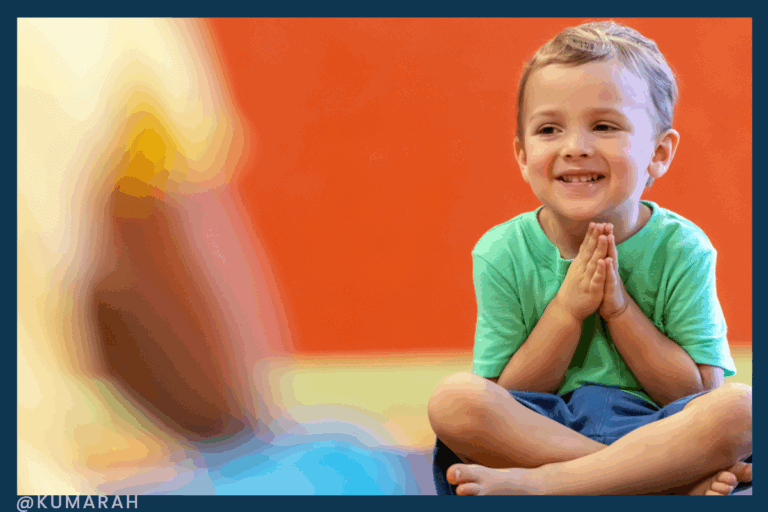
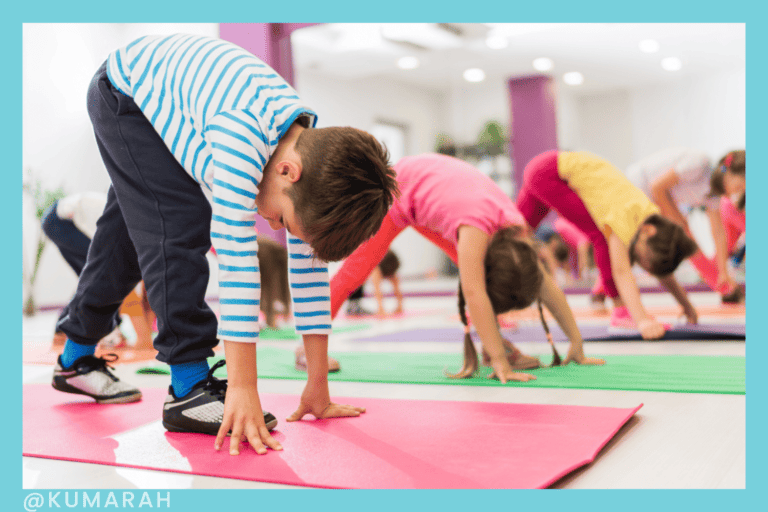
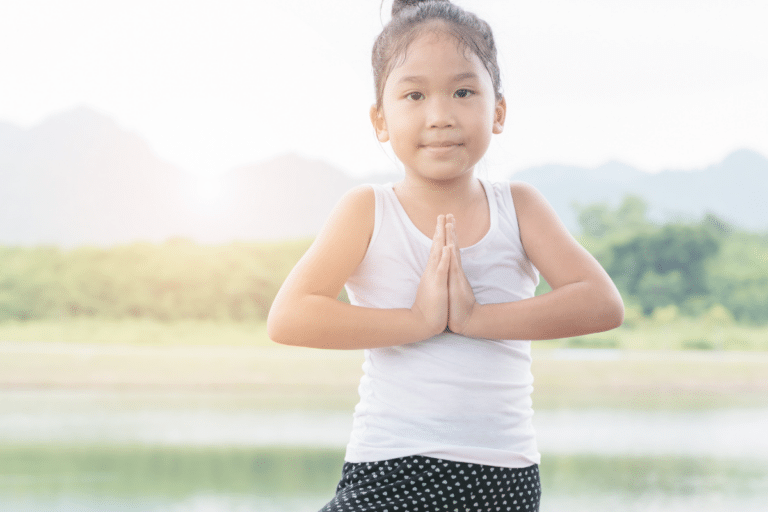
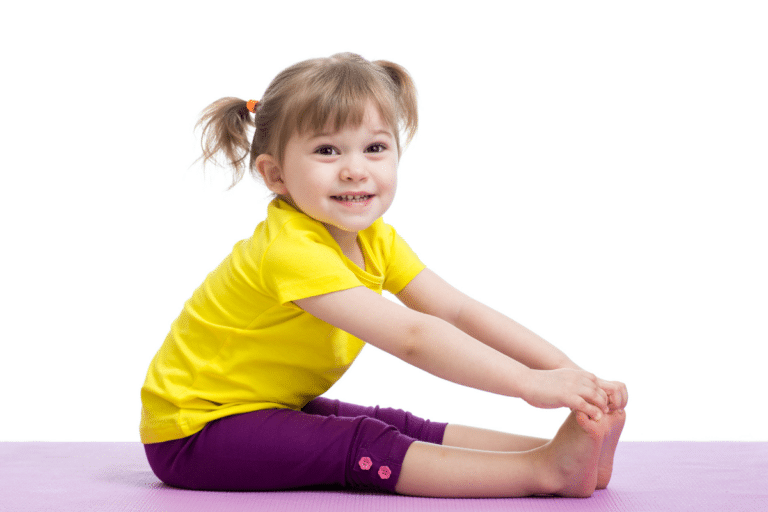
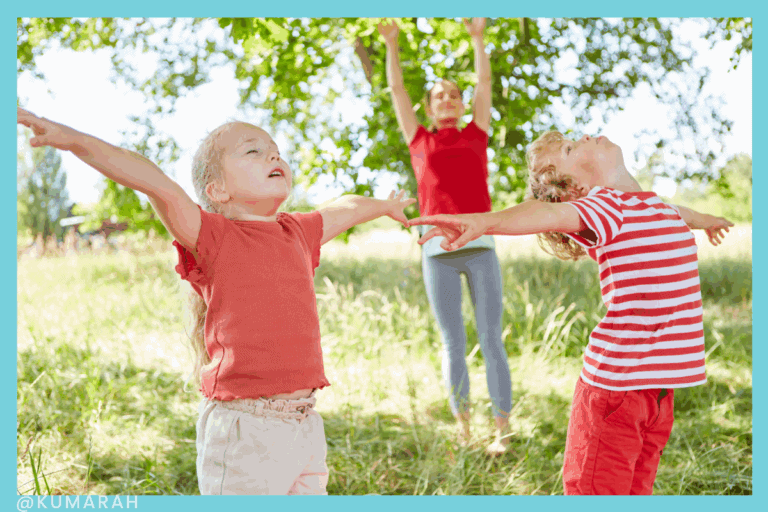
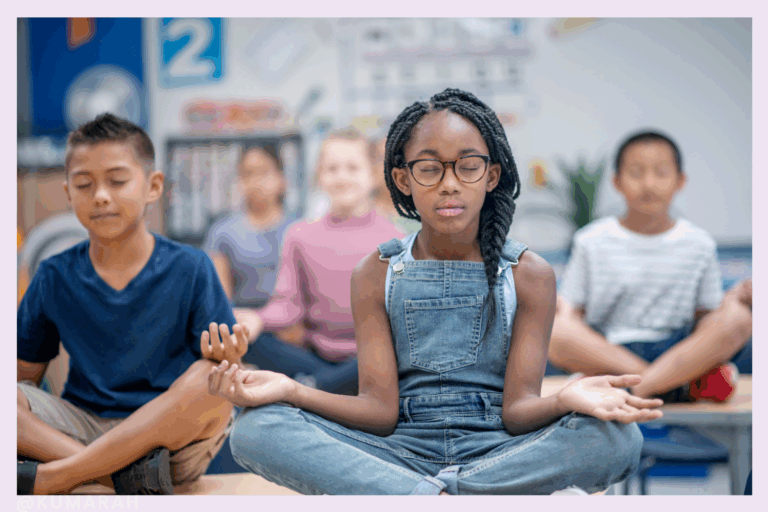
As the days grow shorter and a chill fills the air, nature offers a perfect theme for kids yoga: hibernation. Families can join in the practice, making it a fun and cozy activity for everyone. This cozy, seasonal concept provides a wonderful way to help kiddos slow down, turn inward, and connect inward.
Kids yoga is more than just making animal shapes; it builds spatial awareness, improves concentration skills, and teaches valuable self-regulation skills.
This approach supports early childhood education by fostering motor skills, social skills, and emotional well-being. It is important to engage each kiddo and tailor yoga poses for kids to their developmental needs. Being creative in designing yoga sessions is important to keep kids engaged and inspired.
The idea for hibernation yoga poses comes from observing how animals rest in winter, inspiring imaginative yoga poses for kids.
Plus kids love feeling cozy- ask them to curl up like a kitty or sing the sleeping bunny song to toddlers and you’ll have them hooked 🙂
Mindfulness is integrated throughout the practice to help children focus and self-regulate. These practices contribute to a healthy body and mind for kids, promoting overall well-being.
Families and adults are encouraged to participate together, modeling mindfulness and movement for children.
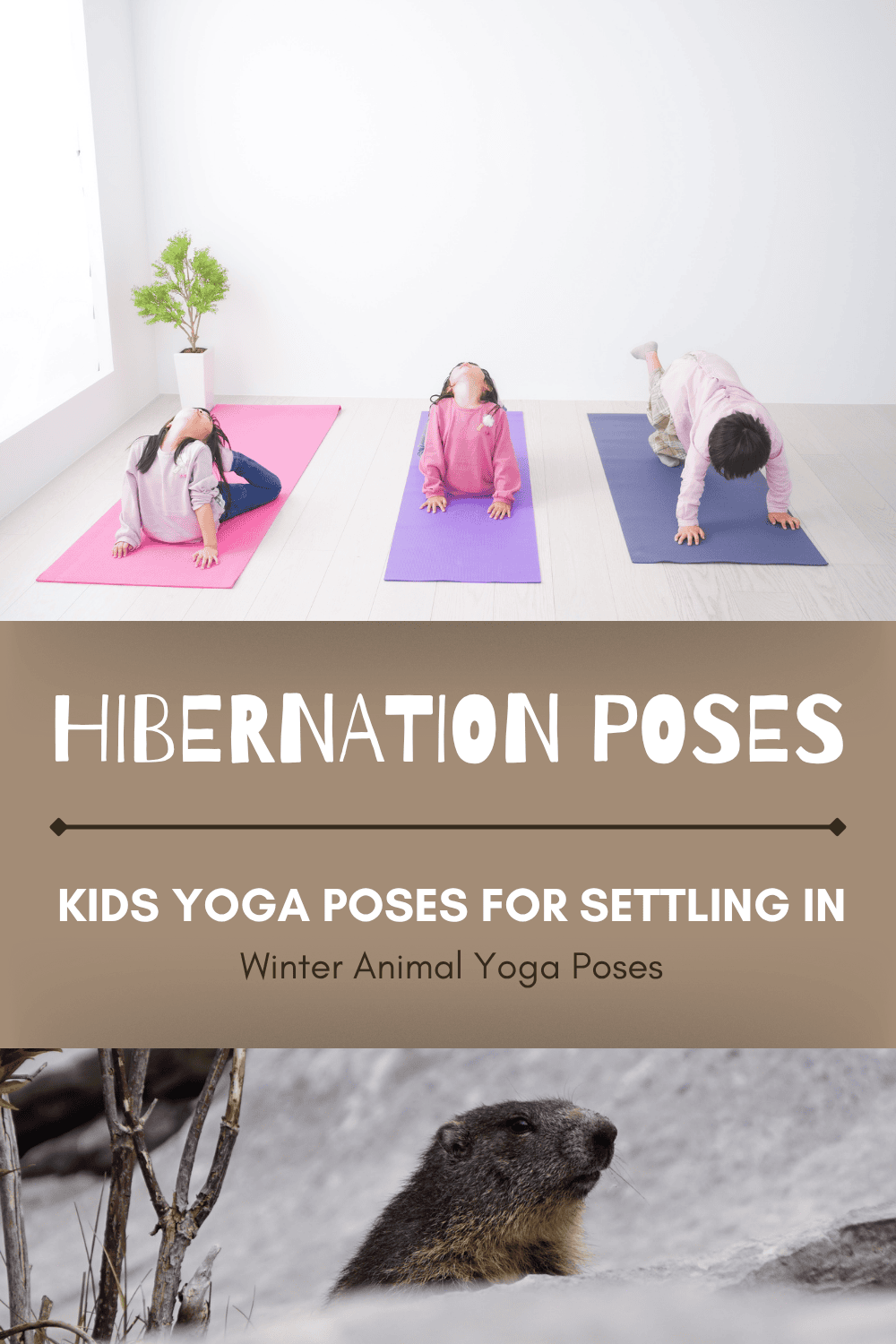
A gentle reminder: Safety is paramount. Always ensure the yoga space is clear of hazards. This guide offers general suggestions; please consult with a child’s caregiver or healthcare provider regarding any specific physical or developmental needs. For inspiration on yoga sequences for kids that keep kids engaged and active, explore more resources online. Encourage your kids to listen to their bodies and never force a pose. Deep breathing helps too!
Tips for a Successful Kids’ Yoga Practice
Creating a positive yoga experience involves more than just poses; it’s about fostering a supportive and playful environment. Smooth transitions, rhythm, and playful exploration are key to keeping kids engaged.
Whether at home or in a classroom, these tips will help guide young yogis. For more fun ways to teach kids yoga, remember, there’s no wrong way to enjoy yoga together.
- Keep it Safe and Simple: Use clear, simple language like “Downward-Facing Dog” instead of “Adho Mukha Svanasana.” Ensure the space is free of obstacles and remind kids that yoga isn’t a competition.
- Let Them Choose: Empower kids by offering choices, such as “Would you like to be a snoozing bear or a curled up snake?” Encourage kids to explore different shapes and movements to discover what feels best for them. Use invitational language and respect their decision to opt out.
- Use Fun Props: Make the practice more engaging with props and tools. Stuffed animals can be “breathing buddies” for belly breaths, while scarves can become fluttering wings.
- Make it Inclusive: Adapt poses for all abilities, offering seated or standing variations. Praise effort over perfection and celebrate each child’s unique expression.
- Set the Scene: Create a calm atmosphere with dim lights and soft, instrumental music. A visual schedule of the yoga flow can help children know what to expect.
- Manage Time and Transitions: Keep sessions brief, around 30-40 minutes, to accommodate short attention spans. Use a gentle chime or song to signal transitions between activities.
Hibernation Animals: A 30-Minute Kids Yoga Lesson Plan
This lesson plan is designed to be flexible and fun, incorporating animals yoga and winter animal yoga themes. Many animals hibernate during winter, and this lesson plan brings the concept to life through engaging yoga activities. Feel free to adapt it to fit the energy and needs of your group.
You can also include fun winter activities and fun facts about animals to make the session even more engaging.
We encourage you to share your own ideas and other ideas for expanding the lesson.
Let’s dive into this delightful hibernation-themed kids yoga class for ages 3–8!
1. Warm-Up: Wake and Snuggle (3-5 minutes)
Gather the children in a circle. Explain that before our animal friends snuggle into their dens for a long winter’s nap, they need to do a few final wiggles and stretches.
- Instruction: “Let’s start by pretending we are sleepy animals getting ready for hibernation. First, let’s wake up our toes by wiggling them. Now, let’s roll our ankles in circles, one way and then the other.
- Gently circle your knees. Let’s make big circles with our hips, like a sleepy bear swaying. Next, stretch your arms out wide and make big circles in the air, feeling your arm muscles wake up.
- Roll your shoulders up to your ears and let them drop. Finally, gently nod your head ‘yes’ and shake it ‘no’.
- Now, let’s try a Bear Walk Pose—place your hands and feet on the mat and walk like a bear around your space, moving forward and backward.”
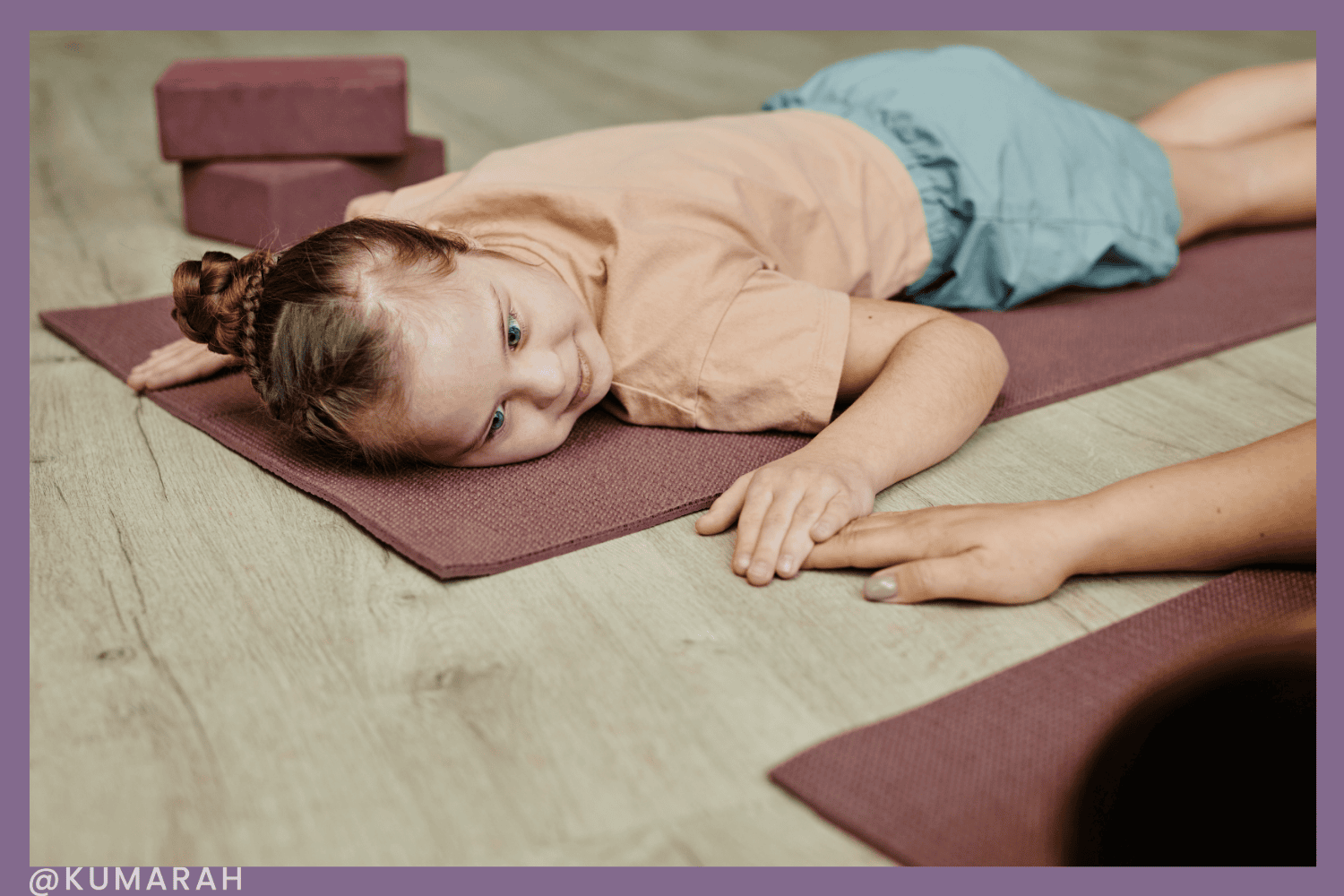
2. Breathing Exercise: Bear Belly Breathing (2-3 minutes)
This exercise helps children connect with their breath and feel its calming effect. Use Meddy Teddy to help kids imagine a calm deep inhale and exhale.
- Instruction: “Find a comfy spot to lie on your back. You can place your favorite stuffed animal on your belly. This is your breathing buddy! As you breathe in through your nose, feel your belly get big and lift your buddy up toward the sky. As you breathe out, feel your belly get smaller and watch your buddy gently float back down. Let’s do five slow, deep bear breaths together. Now, take a few deep breaths while focusing on the gentle movement of your belly as it rises and falls.”
3. Hibernation Animal Yoga Poses (15-20 minutes)
Guide the children through a sequence of poses, linking them with a simple story about animals preparing for winter. This sequence is a series of movement activities and yoga poses for kids, designed to help them learn about how animals get ready for the cold season. These winter animal yoga poses help calm the nervous system and bring relaxation.
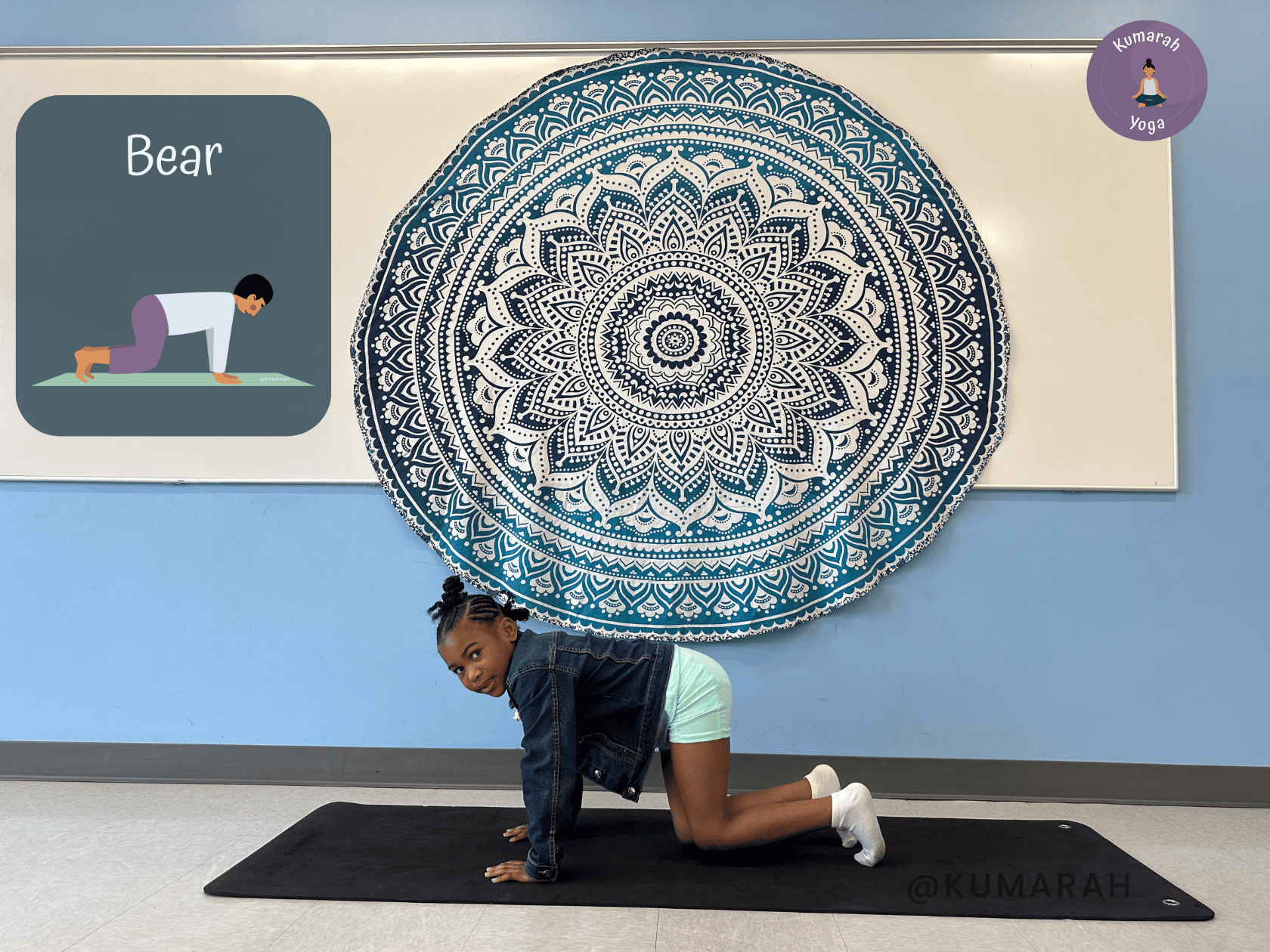
Brown Bear Pose (Tabletop & Bear Crawls)
“Let’s start on our hands and knees like a big, strong bear. Bears are hibernating animals, and just like other animals that hibernate, they get ready for a long winter sleep to survive the cold months. Feel the ground beneath your paws. Now, lift your knees just a little off the floor and crawl around your mat, looking for the perfect den.”
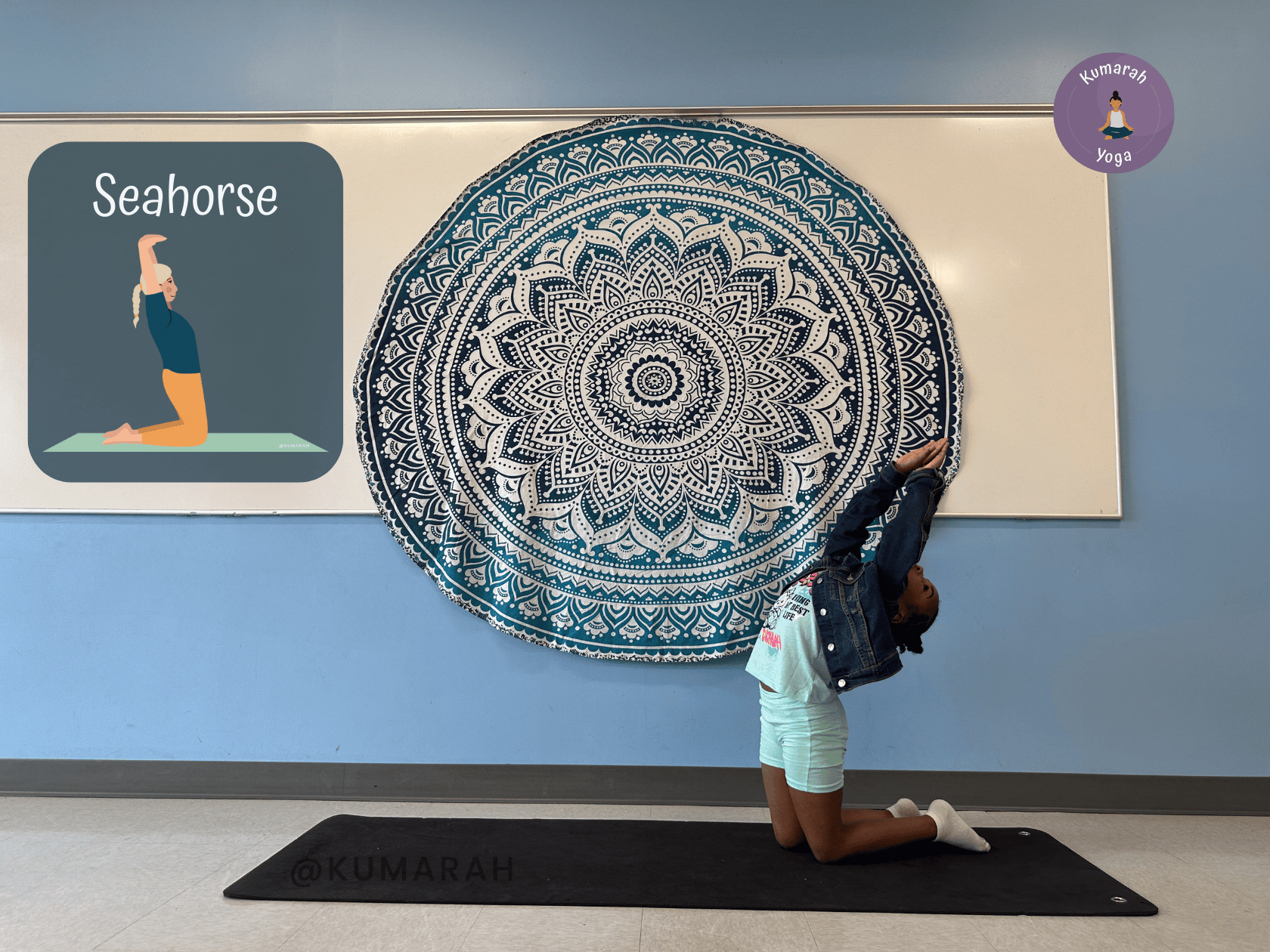
Grizzly Bear Reaching Pose (Camel/Seahorse Pose)
“Now, let’s raise our arms overhead like a bear reaching for a tree branch before hibernation. Stretch your arms up high and feel strong!”
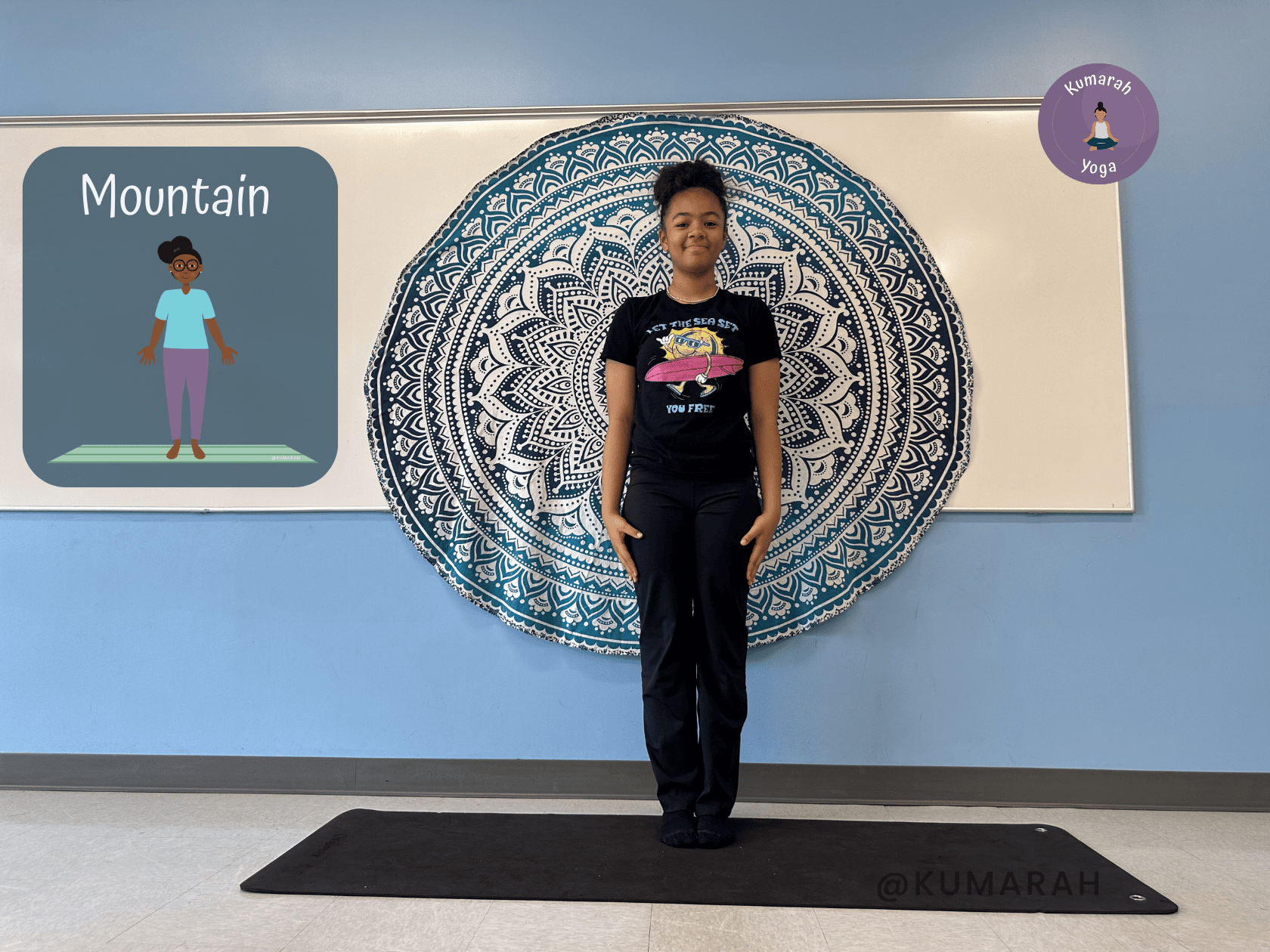
Mountain Pose
“Stand tall and strong with your feet together and arms by your sides. Imagine you are a mountain covered in snow, standing still in the winter. This is Mountain Pose.”
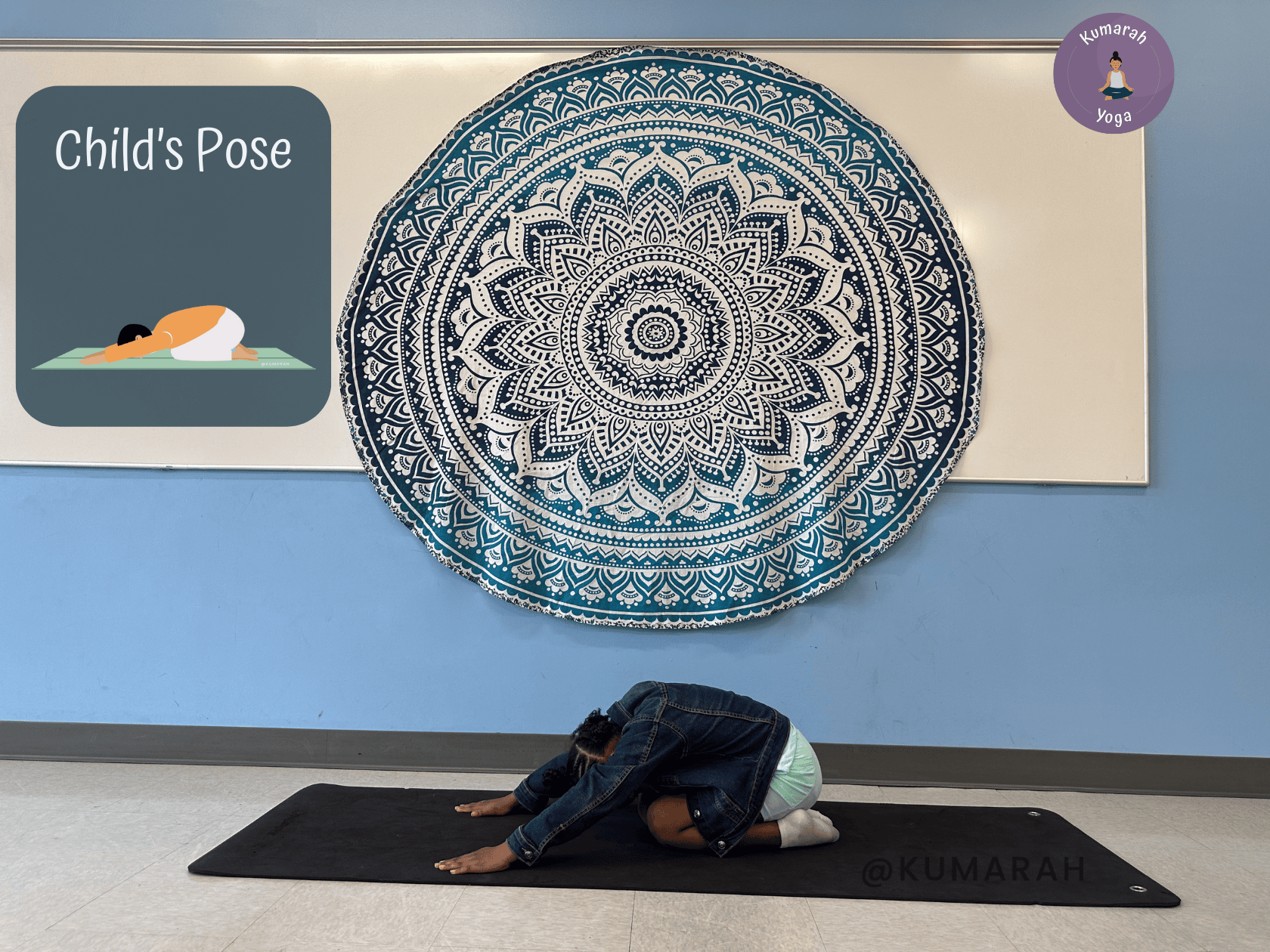
Hedgehog Pose (Child’s Pose)
“The little hedgehog has found a pile of leaves! Let’s curl up into a tiny ball to stay warm. Kneel down, bring your forehead to the floor, and rest your arms alongside your body.”
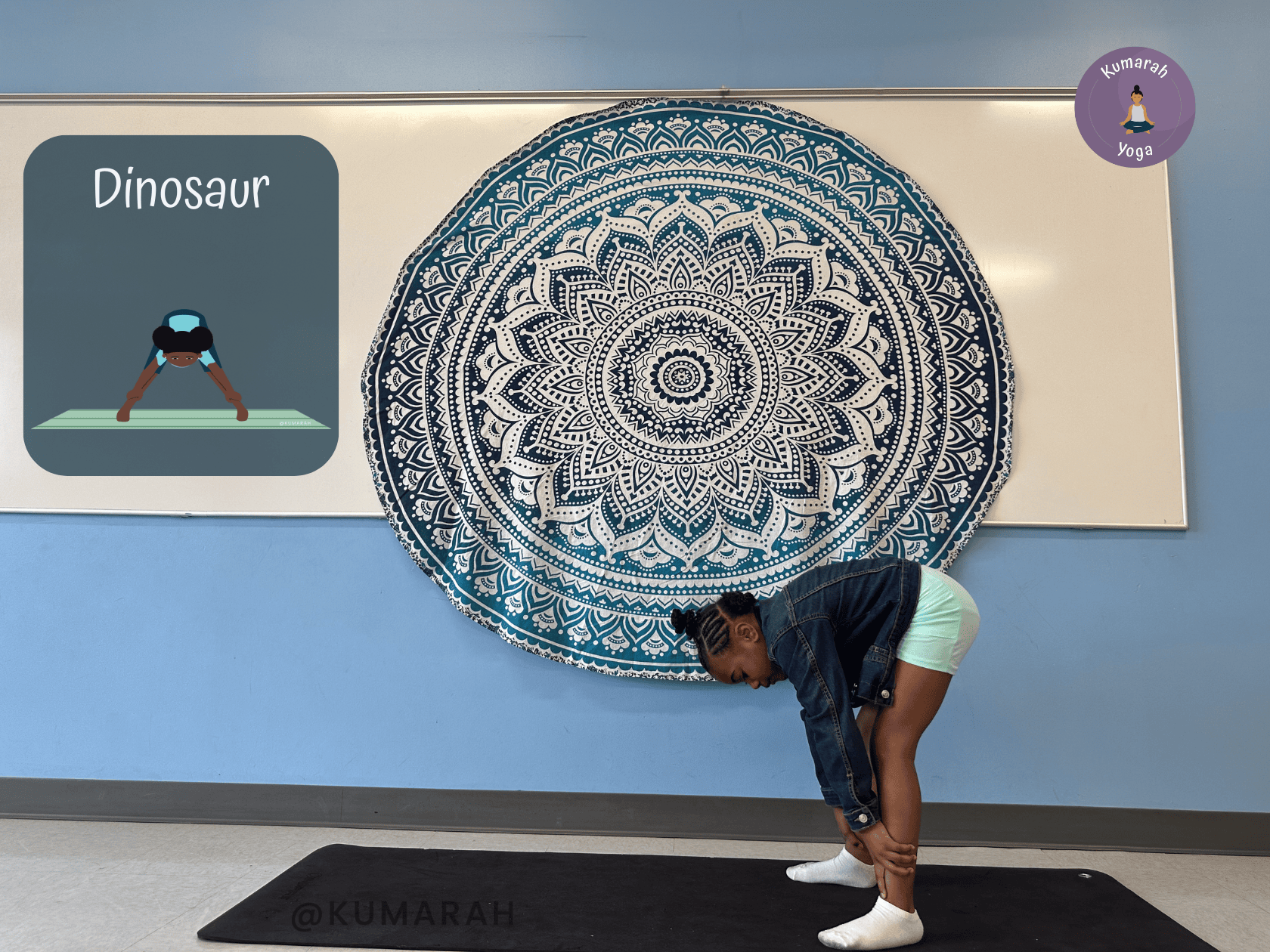
Bat Pose (Wide- Legged Forward Fold)
“Look up in the cave! A bat is hanging upside-down. Stand tall with your feet wide apart, and then fold forward, letting your head hang heavy. You can gently sway side to side like a bat sleeping.”
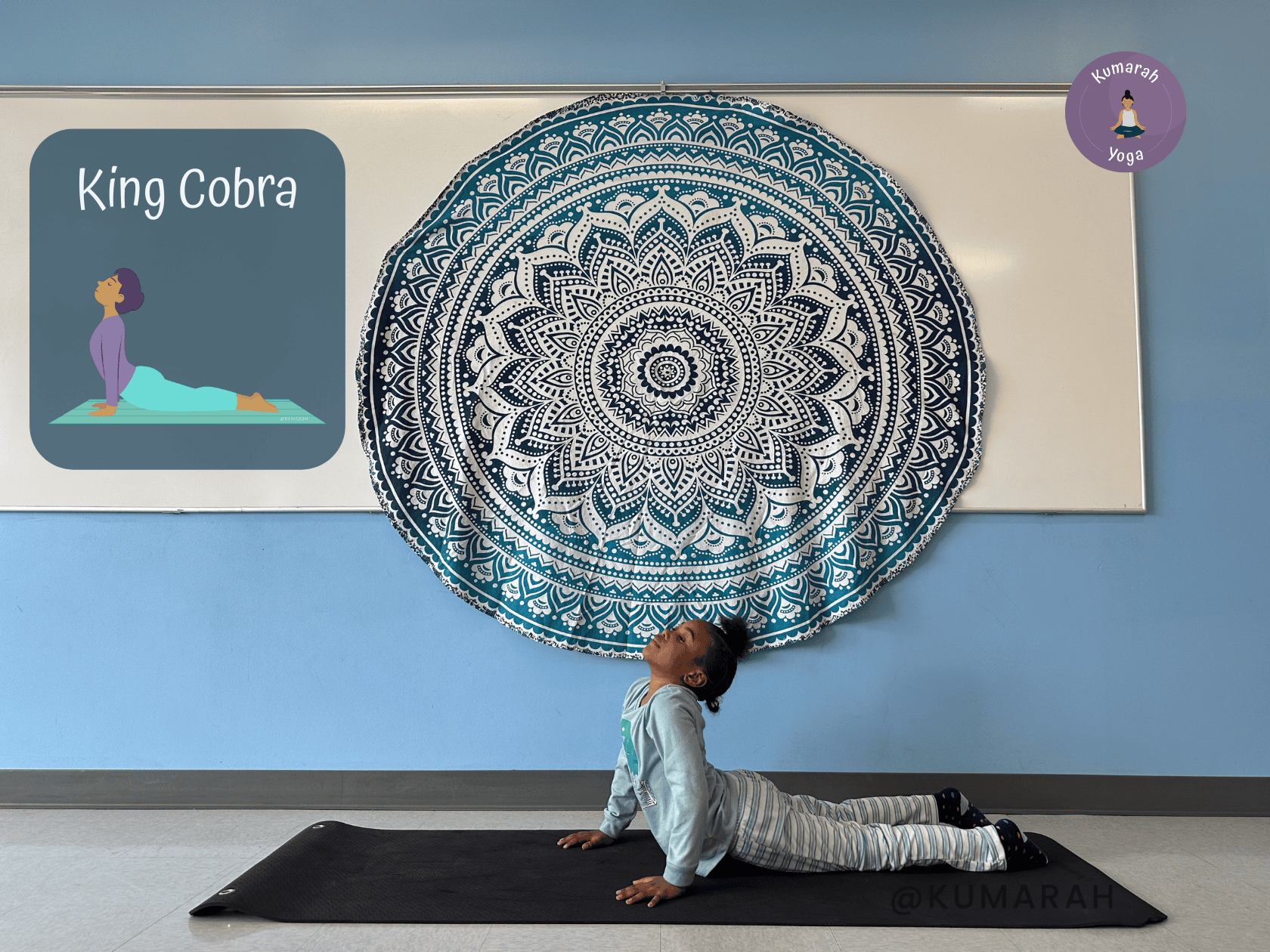
Snake Pose (Cobra Pose)
“A snake is slithering into a hole to hibernate. Lie on your belly, place your hands under your shoulders, and on an inhale, press your palms into the floor to lift your chest. Hiss like a snake!”
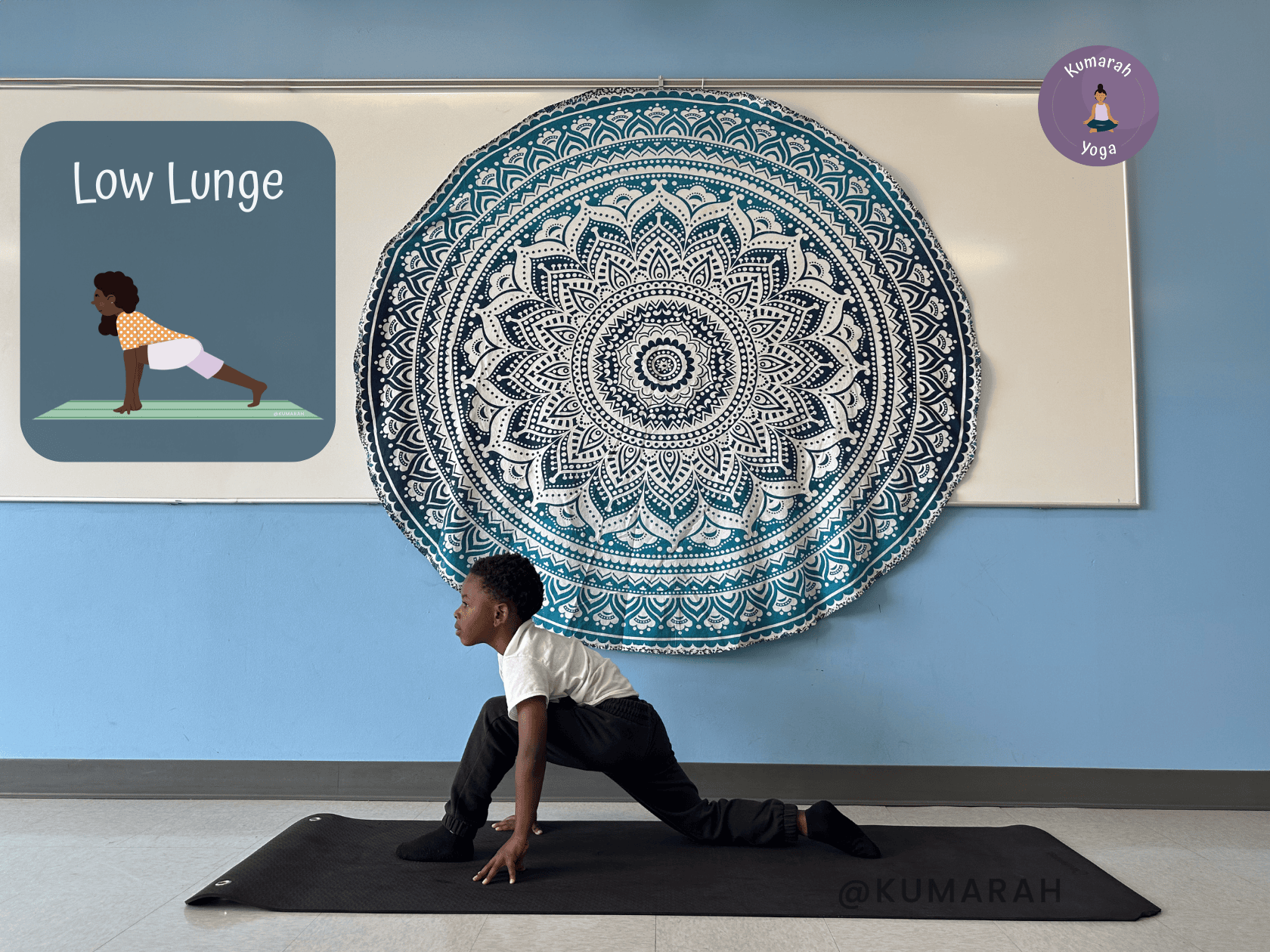
Groundhog Pose (Low Lunge)
“The groundhog is peeking out of its burrow one last time. Step one foot forward into a lunge, keeping your back knee on the ground. Reach your arms up, peek your head up to look for your shadow!”
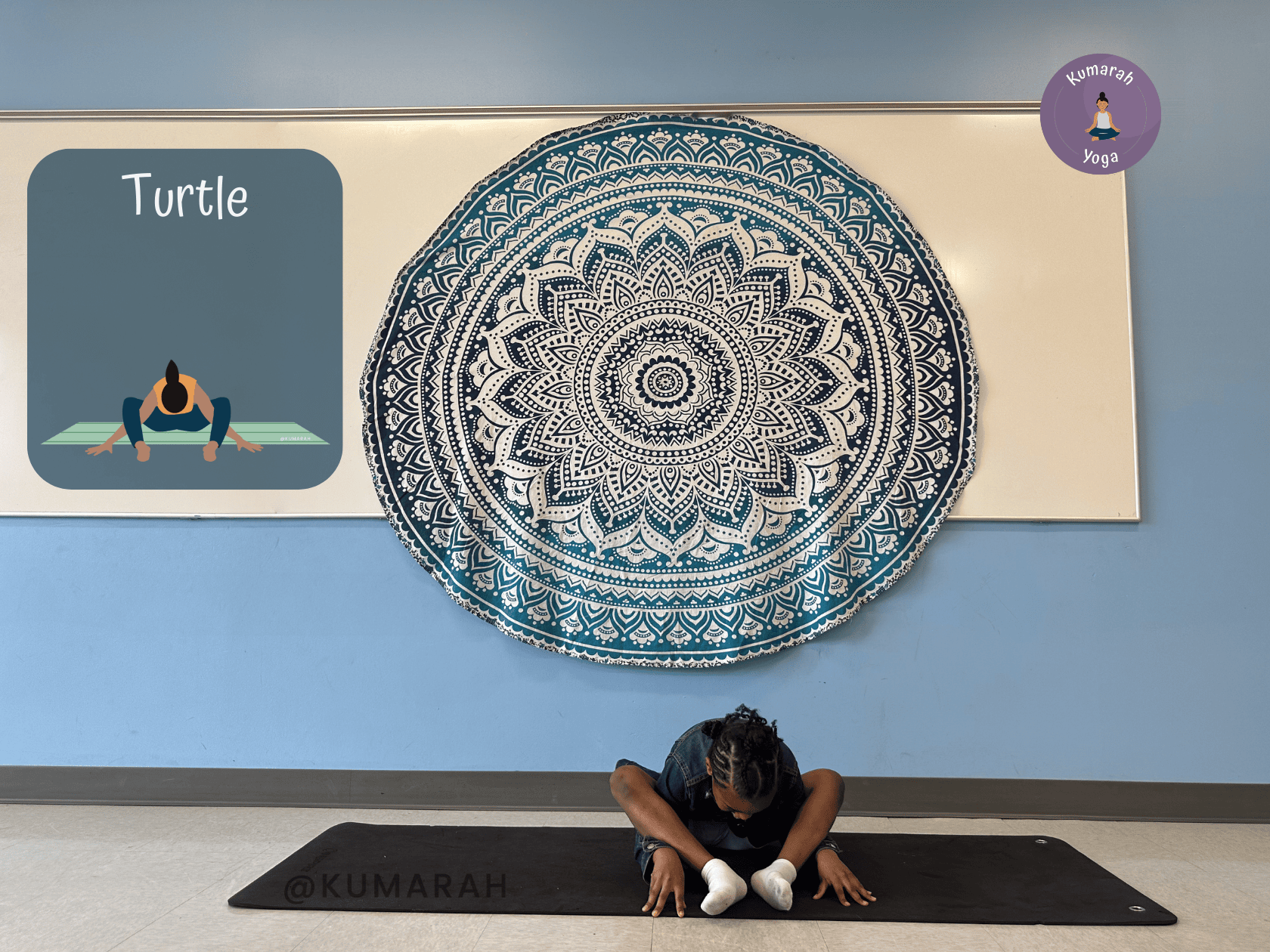
Turtle Pose (Seated Turtle)
“The slow turtle pulls its head and legs into its shell. Sit with the soles of your feet together. Slide your arms under your legs and round your back, tucking your chin like a turtle in its shell. Try sliding each leg in and out of your shell, just like a turtle.”
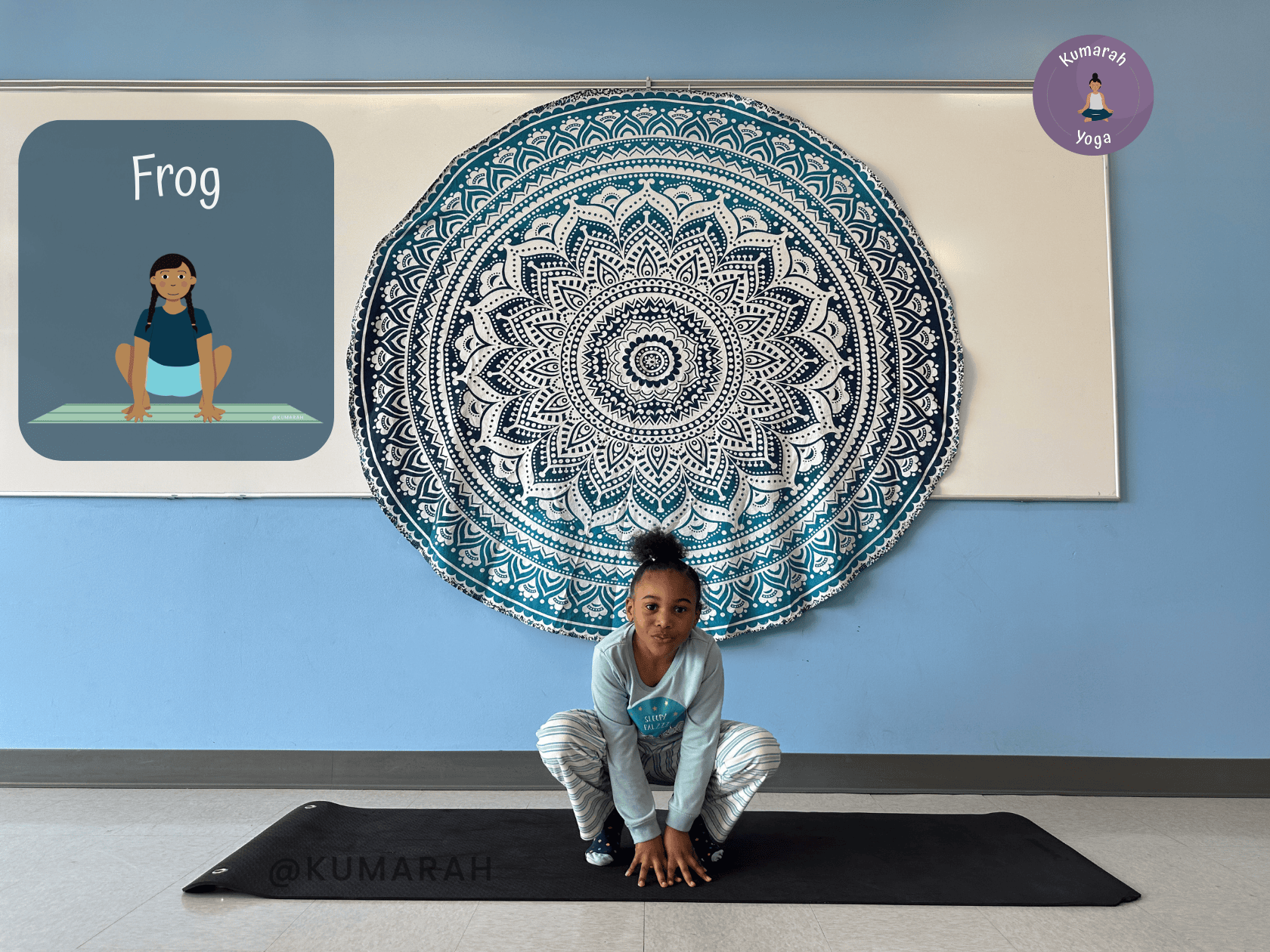
Frog Pose
“A frog is getting ready for winter at the bottom of a pond. Come into a low squat with your feet wide. You can bring your hands to your heart. Ribbit!”
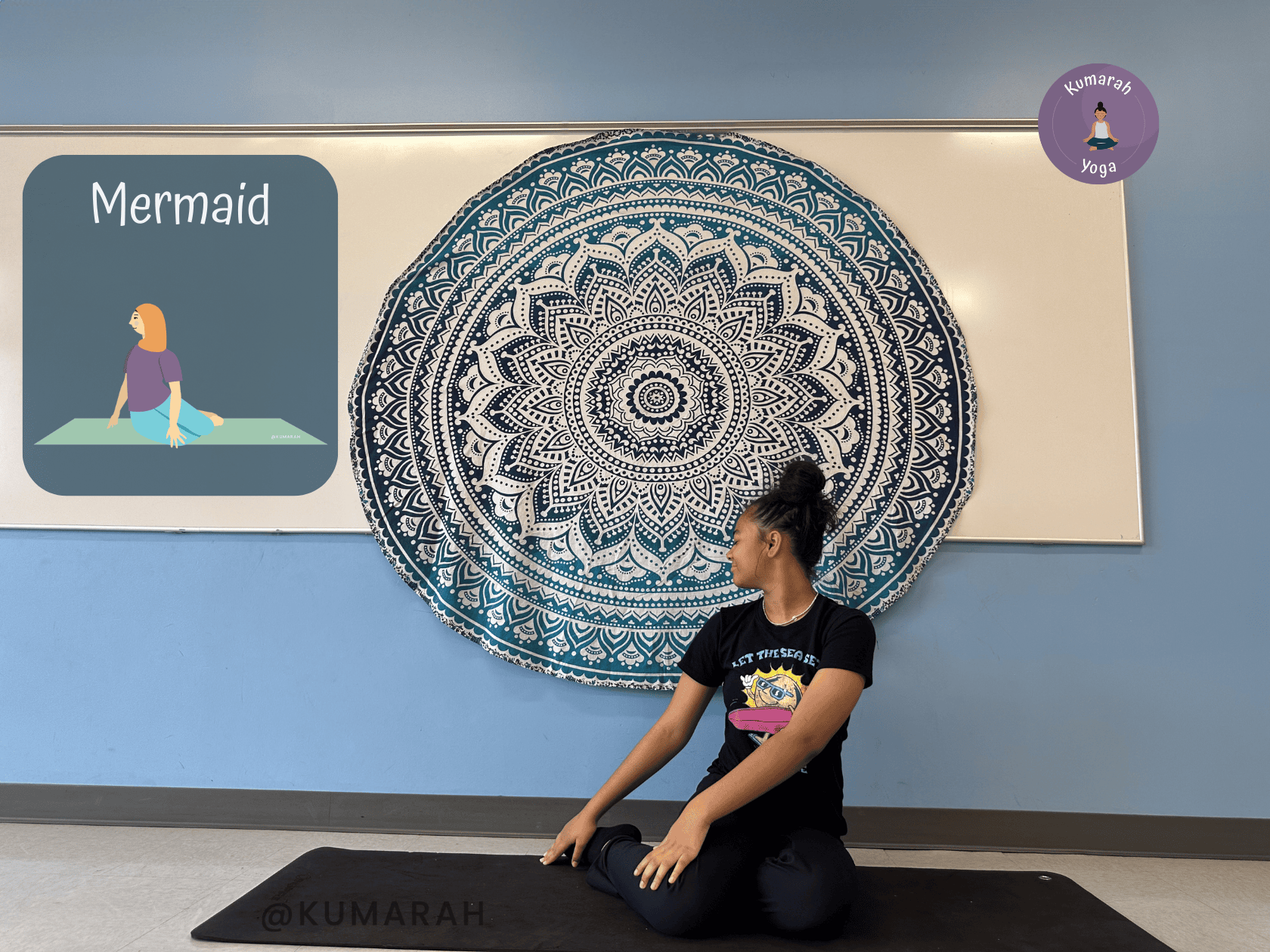
Raccoon Pose (Seated Twist)
“A raccoon is washing its food before its long nap. Sit with your legs crossed and twist your body to look behind you, first one way, then the other.”
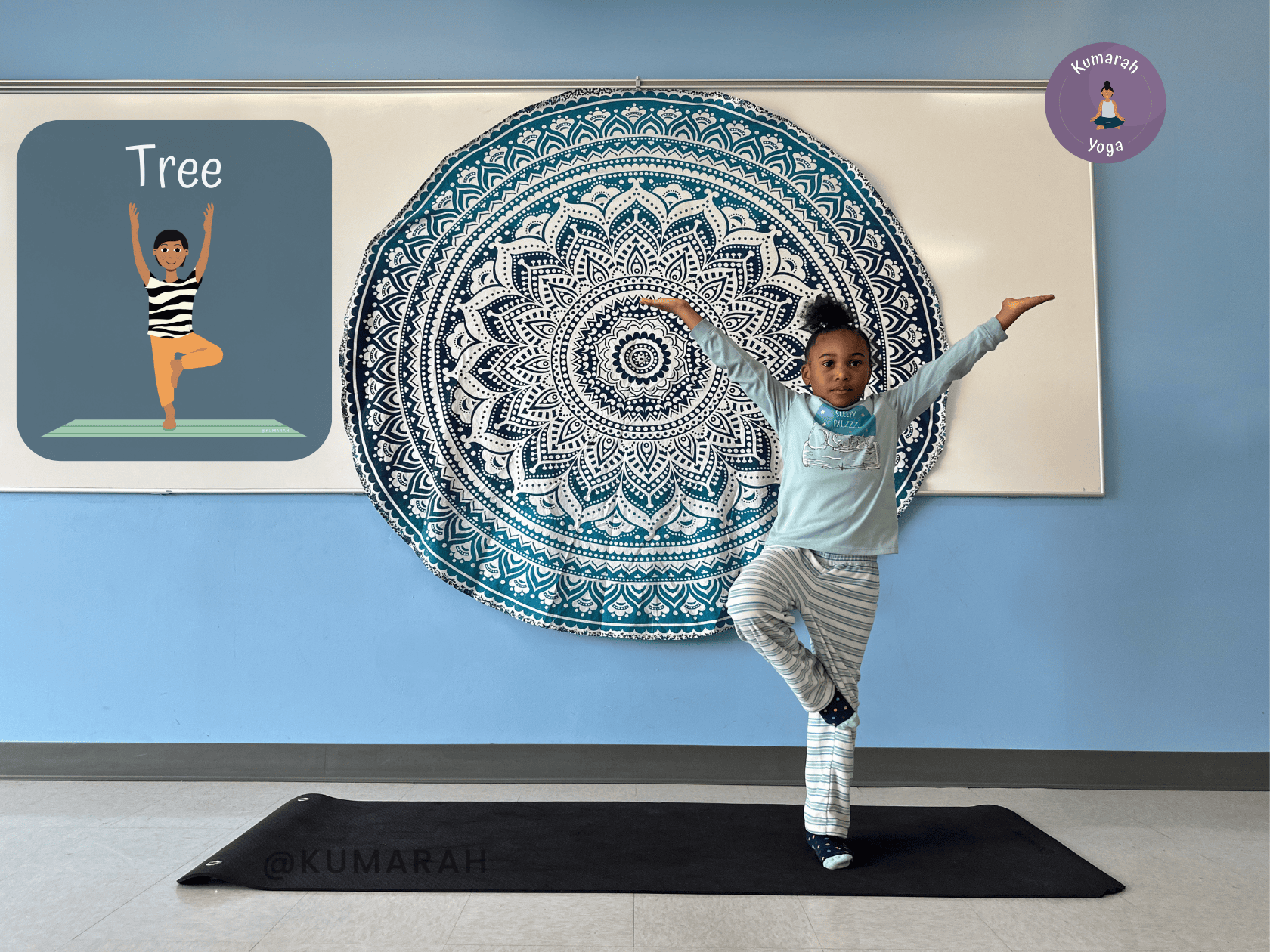
Tree Pose
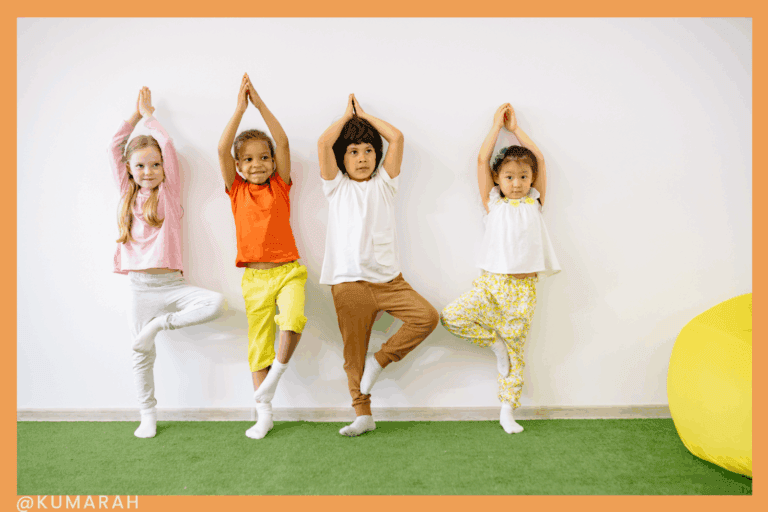
“Let’s become a tree in winter! Balance on one leg, place your other foot on your standing leg, and raise your arms up like branches reaching for the sky. Feel your balance and strength.”
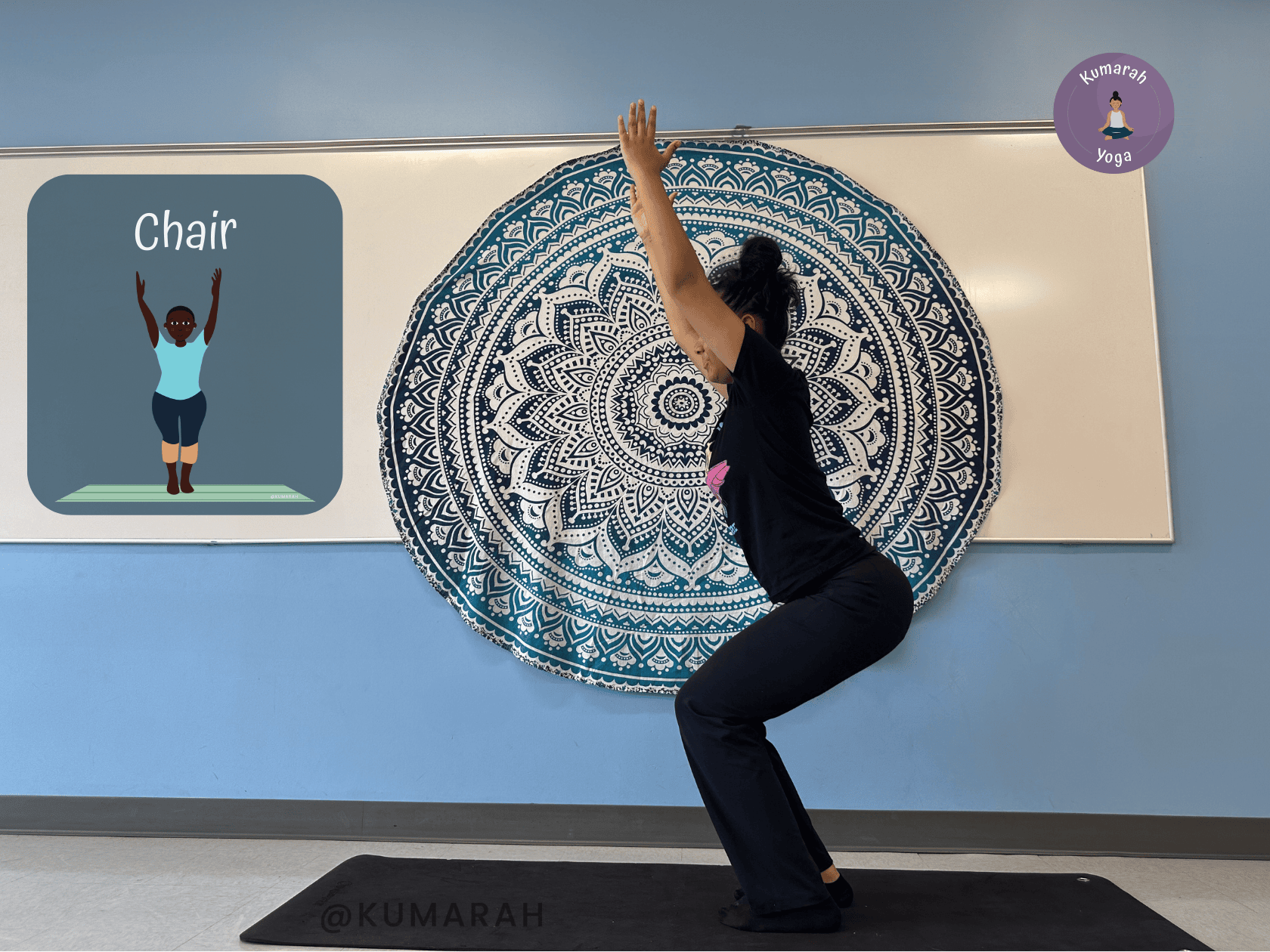
Chipmunk Pose (Chair Pose)
“The chipmunk has stored its nuts! Let’s pretend our cheeks are full. Stand up, bend your knees, and sink your hips back like you’re sitting in a tiny chair. Puff out your cheeks!”
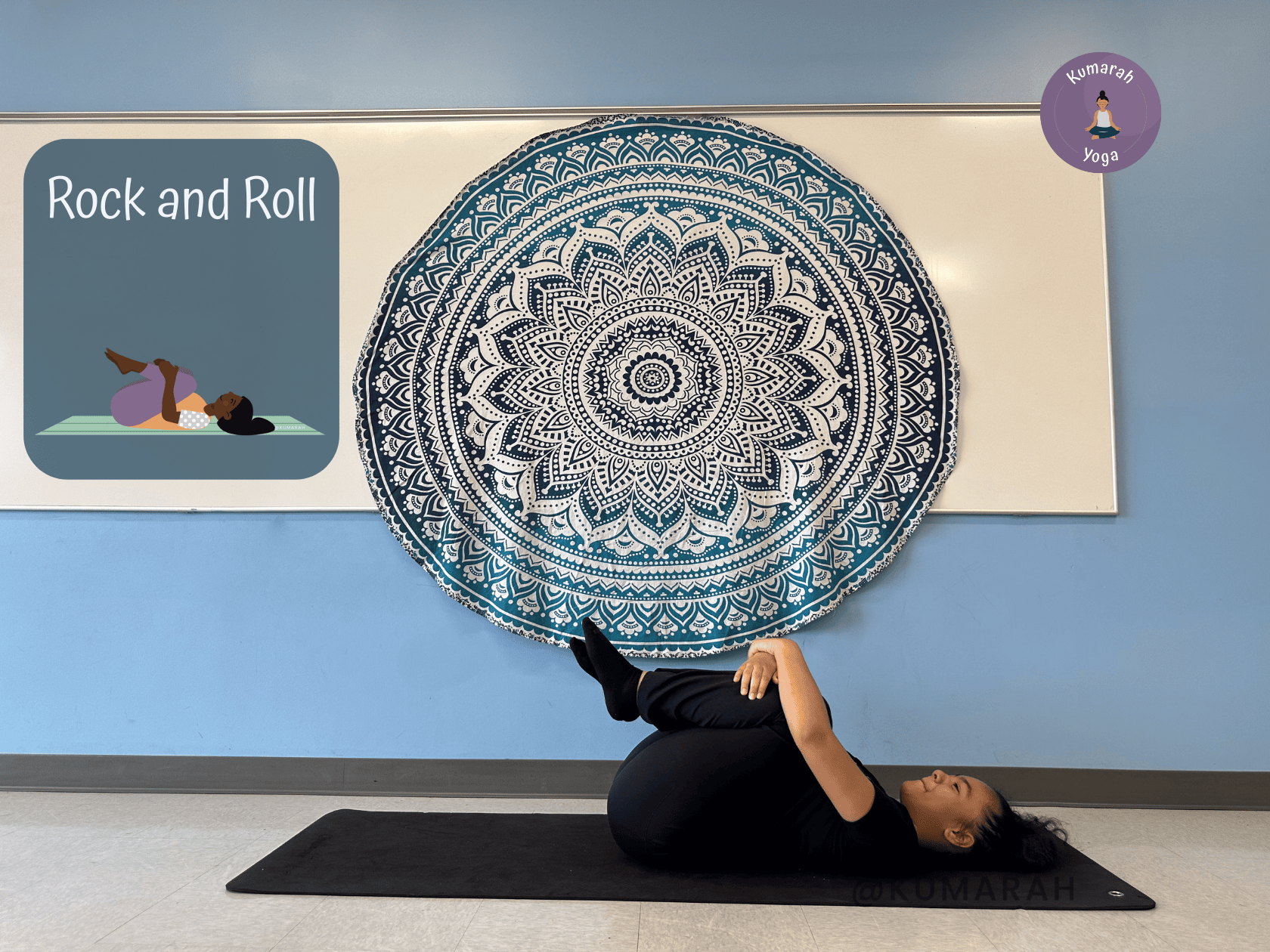
Dormouse Pose (Knees-to-Chest)
“The tiny dormouse curls into a tight ball to sleep. Lie on your back and hug your knees into your chest. Give yourself a gentle squeeze and rock back and forth.”
4. Mindful Game: Into the Den (3-5 minutes)
This game helps with listening skills and large motor control.
- Setup: Children spread out in the room. You are the leader.
- How to Play: When you call out “Awaken!” the children can move around the room like their favorite animal (crawling like a bear, hopping like a frog, etc.). When you call out “Hibernate!” and hold up a “stop” sign or visual cue, everyone freezes in their “den” (a yoga pose of their choice, like Child’s Pose or lying flat).
- Safety Note: Remind children to move mindfully and be aware of the space and people around them to avoid collisions. Reassure them not to worry if they forget a movement or freeze in a different pose—just have fun and try again next time.
5. Recommended Books for Your Hibernation Theme
Reading a book before or after your yoga practice can deepen the theme.
- The Mitten by Jan Brett
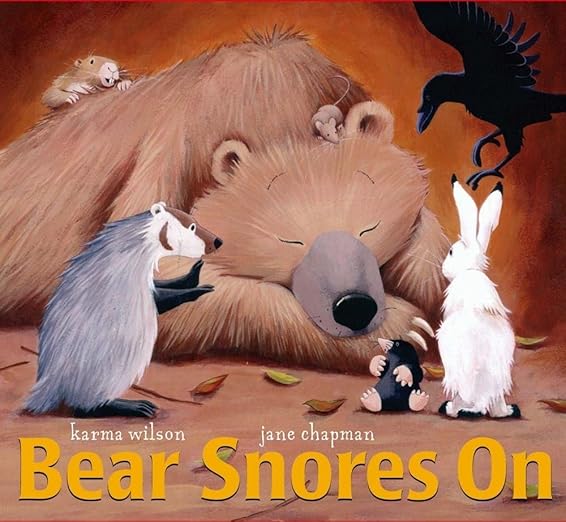
- Bear Snores On by Karma Wilson
- Time to Sleep by Denise Fleming
- Over and Under the Snow by Kate Messner
- Hibernation Station by Michelle Meadows
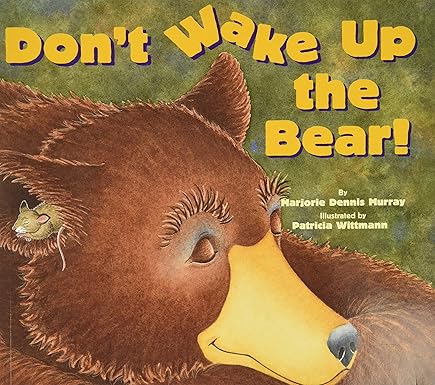
- Don’t Wake Up the Bear! by Marjorie Dennis Murray
- Sleep, Big Bear, Sleep! by Maureen Wright
- A Loud Winter’s Nap by Katy Hudson




For more book recommendations, check out our favorite yoga books and mindfulness books.
Calming Meditation: The Cozy Den (3-5 minutes)
Guide the children into a comfortable resting position, lying on their backs with a blanket if they wish. Use a calm, quiet voice.
“Find a still and quiet shape on your mat. You can close your eyes or look softly at the ceiling. Imagine you are a sleepy little animal who has found the most perfect, cozy den for the winter.
You are so lucky to have such a cozy, safe den to rest in while the wild wind blows and the wild world outside is cold and snowy. Your den is warm and safe. Maybe it’s lined with soft moss and dry leaves. You can feel the warmth all around you.
Bring your attention to your breathing. Feel the gentle rise and fall of your belly. Take a few deep breaths in and out, letting your body relax more with each one. Each inhale in makes you feel warmer. Each exhale out helps you feel more relaxed. You are safe and snug in your den.
Listen closely. What can you hear? Maybe the quiet whisper of the wind outside. Maybe the sound of your own gentle breathing. Everything is peaceful.
Your body feels heavy and relaxed. Your toes are warm. Your legs are warm. Your belly and your back are warm. Your arms and your fingers are warm. Even your face feels soft and sleepy. You are resting.
(Pause for 30-60 seconds of silence.)
Now, imagine a tiny ray of warm spring sunshine tickles your nose. Winter is over, and it’s time to gently awaken. Start by wiggling your fingers and your toes. Take a big, deep breath in and stretch your arms overhead and your legs out long… a full body yawn. When you feel ready, slowly roll to your side and gently press yourself up to a comfortable seat. Welcome back, little yogis.”
Great job, little yogis! How does it feel to wake up after a long winter’s nap? What was your favorite part of being a sleepy bear in a cozy den?
(Allow a few kids to share their experiences.)
Remember, just like the bear, it’s important for us to rest our bodies and minds so we can have energy to play and learn.
I hope you enjoyed this calming journey! For more imaginative relaxation exercises and yoga adventures, leave your ideas and suggestions in the comments below.
For live monthly calls with lesson plans, pose examples and book read throughs with teaching examples, join us in the Empowered Educators group. Recorded calls are available for members and you can join the twice monthly live calls as well!