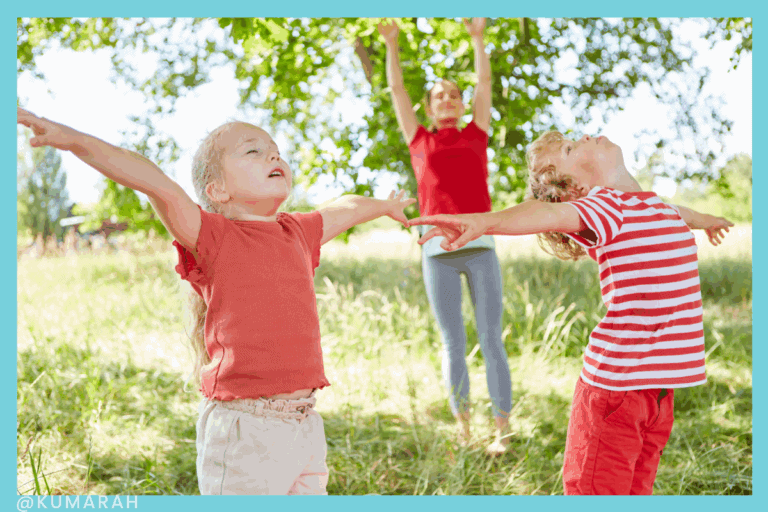
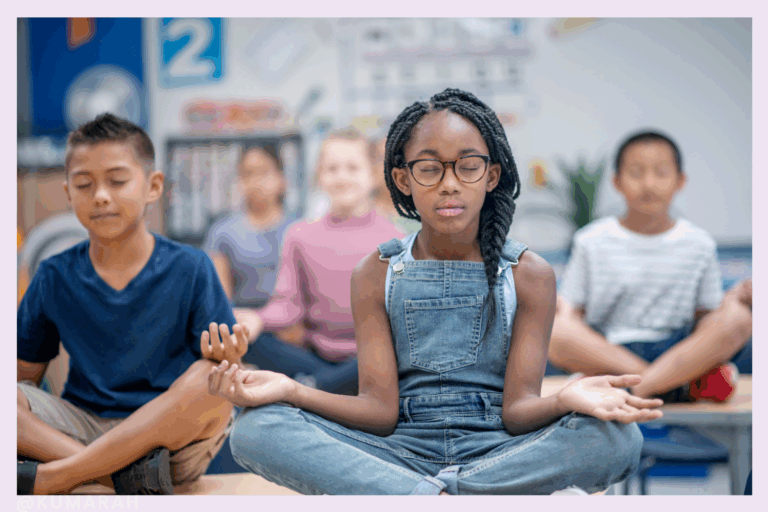
If you’ve ever watched a child hit a wall — shutting down, melting down, or just completely checking out — you know that telling them to “calm down” doesn’t work. What does work is giving them a place to go and tools to use when big feelings show up.
A calm down corner (sometimes called a peace corner or mindfulness corner) is a designated safe space and calming space where kids can go to self-regulate, especially when they are feeling overwhelmed.
It’s not a punishment, and it’s not time-out. It’s a proactive, empowering strategy that teaches kids to recognize when they need a reset — and actually do something about it.
And when you add yoga poses and breathing exercises to that space? You give kids a body-based toolkit that works even when words fail them.
This post walks you through exactly how to set one up — whether you’re a classroom teacher, a school counselor, or a parent working with a small corner of your living room.
Grab your free calm down corner posters here:
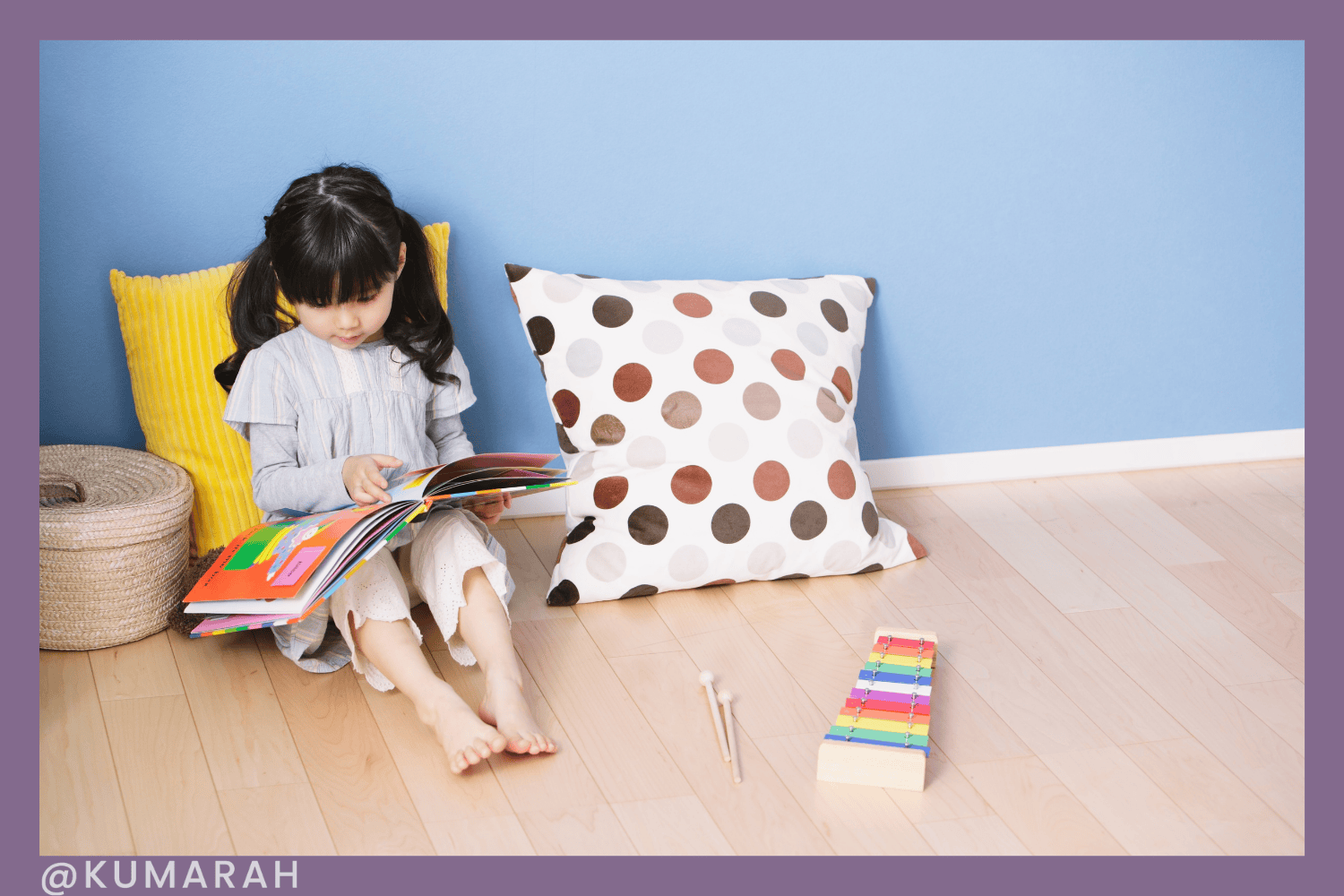
What Is a Calm Down Corner?
A calm down corner is a small, cozy, low-stimulation space—also known as a quiet space or cozy corner—stocked with tools that help kids regulate their nervous systems.
It’s used proactively—kids learn to go there before they hit a crisis point, ideally—and it gives them ownership over their own emotional wellbeing.
Key principles:
- It’s never a punishment
- Kids choose to go there (or are gently redirected, not sent)
- It’s set up with kids so they feel ownership over it
- It’s predictable and consistent
Let kids help personalize the space — picking the items, adding photos. That ownership is a big part of whether they actually use it.
Swap things out every so often so the corner doesn’t go stale.
More on that later, but it’s important you are teaching students the strategies for using the calm down corner for big emotions and not just as a fun place to play.
Why Yoga Poses Belong in a Calm Down Corner
Yoga is uniquely suited for emotional regulation because it works on the body first. When kids are overwhelmed, their thinking brain goes offline — they can’t process words or instructions well.
But movement and breath? Those they can do.
Grounding poses and slow breathing can help settle the nervous system (the “rest and digest” response), so kids’ bodies calm down enough for their minds to follow.
These quick and effective calm down strategies for kids will give you some more ideas for how to teach these skills so they can use them on their own.
Allowing students to use movement activities not only helps them calm down when feeling overwhelmed, but also enables them to pay attention longer afterward.
Unlike fidget tools or sensory items alone, yoga poses give kids an active strategy — something to do with all that nervous energy.
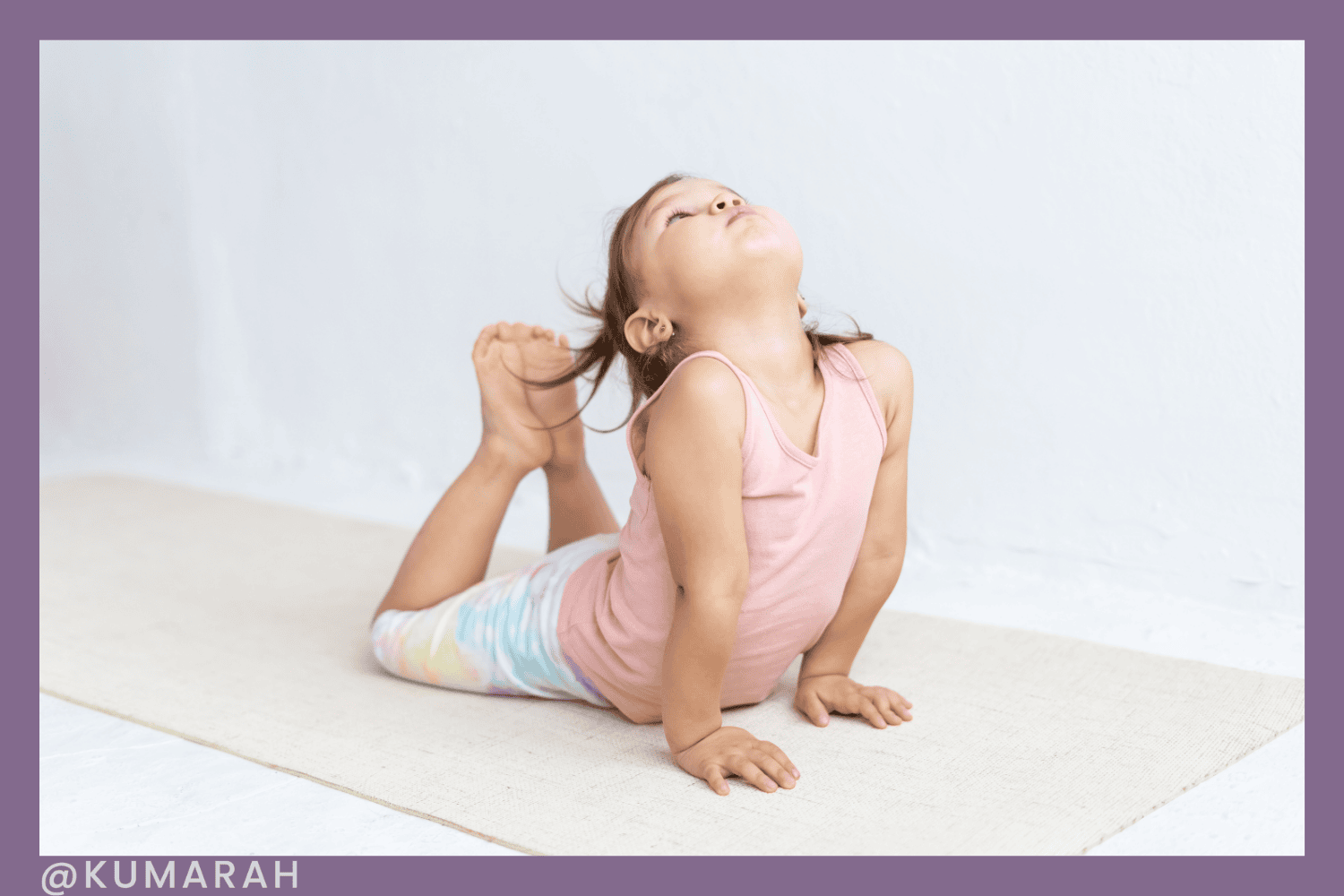
Setting Up Your Calm Down Corner: What You Need
The Space:
- A corner, a nook, under a loft bed, beside a bookshelf — small and contained is actually better.
- Set up the calm down corner away from student desks and whole-class meeting areas to provide effective separation for students.
- Soft lighting if possible (a small lamp, string lights, or just away from overhead fluorescents)
- Something soft to sit on — a floor cushion, a small rug, a bean bag, a yoga mat.
- Use calming colors like blues and greens to create a peaceful environment.
The Tools:
- Yoga pose cards — visual cues kids can follow independently without reading long instructions (this Bundle of Kids Yoga Poses cards work perfectly here)
- Breathing visuals — a simple poster or card showing 2–3 breathing techniques (star breathing, box breathing, flower breathing) Get your free download of several breathing card options here.
- A feelings check-in chart or emotion wheel
- A small journal or blank paper and crayons
- Visual aids and visual supports, such as emotion charts, feeling cards, or storyboards
- Stress balls, fidget toys, sensory glitter bottles, and other calming tools provide students with sensory input and help them regulate their emotions effectively.
- Weighted items, like a weighted plush animal or lap pad, provide grounding through deep pressure stimulation for children.
- Noise reducing headphones can help students drown out noise and refocus their attention.
- Including a child’s favorite books in the calm down corner helps children navigate and express their emotions, and students identify with characters in these books.
What to leave out:
- Toys or anything too stimulating or distracting
- Screens
- Anything that makes it feel like a reward (you want kids going there to regulate, not to escape work)
Setting Clear Expectations for the Calm Down Corner
The toughest part of using a calm down corner isn’t the corner. It’s how you get the kids there.
It’s so hard not to sound angry or frustrated when you ask them to go — and it matters, because you want them choosing to go when you see them getting elevated, not being sent.
The best course of action? Practice. You practice saying “Sara, take a break” in a calm way, and they practice getting there safely.
Make it a game. Read a book and go around the circle one at a time:
“Sam, take a break.” One minute later — “Sam, come back to group.”
“Eliza, take a break.” One minute later — “Eliza, come back to group.”
Even with a big class, it’s important to let each child practice it while calm. Then when things are less calm, the practice is already there — and “Carl, take a break,” said in a calm voice, is a lot less likely to get a storming, yelled retort.
This is interactive modeling: you show them how to use it yourself, then every child tries it. It may take several sessions in a classroom, but they all need a turn.
Social emotional learning takes practice, and giving them a chance to practice their calm down strategies while ALREADY calm is huge. You can’t learn something new while overstimulated or mad.
And use a timer. I use a sand timer — two minutes. Once they’ve practiced, let the kids manage it themselves; you just glance at it, or ask “timer set?” when they get there. If they’re still holding big feelings when the sand runs out, that’s the signal to involve an adult or try another strategy. Sometimes our feelings are too big for self-regulation, and asking for help is just the next step.
The Best Yoga Poses for a Calm Down Corner
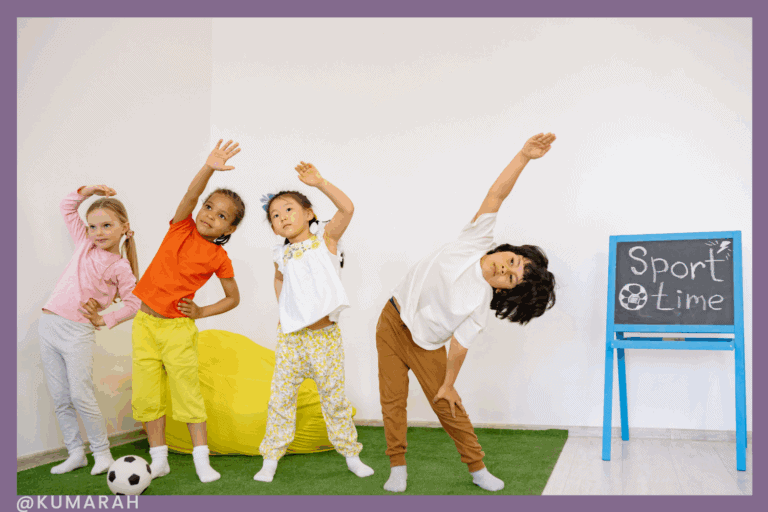
These poses are chosen specifically for kids who are overwhelmed, anxious, or dysregulated. They’re grounding, simple, and don’t require a lot of instruction.
Thoughtfully designed yoga sequences for kids can keep them engaged while they reset. For more options beyond the corner itself, here are other yoga poses and ways to help kids calm down.
Child’s Pose
The ultimate reset. Curling inward signals safety to the nervous system. Great for kids who feel overstimulated or want to hide from the world for a minute (and that’s okay).
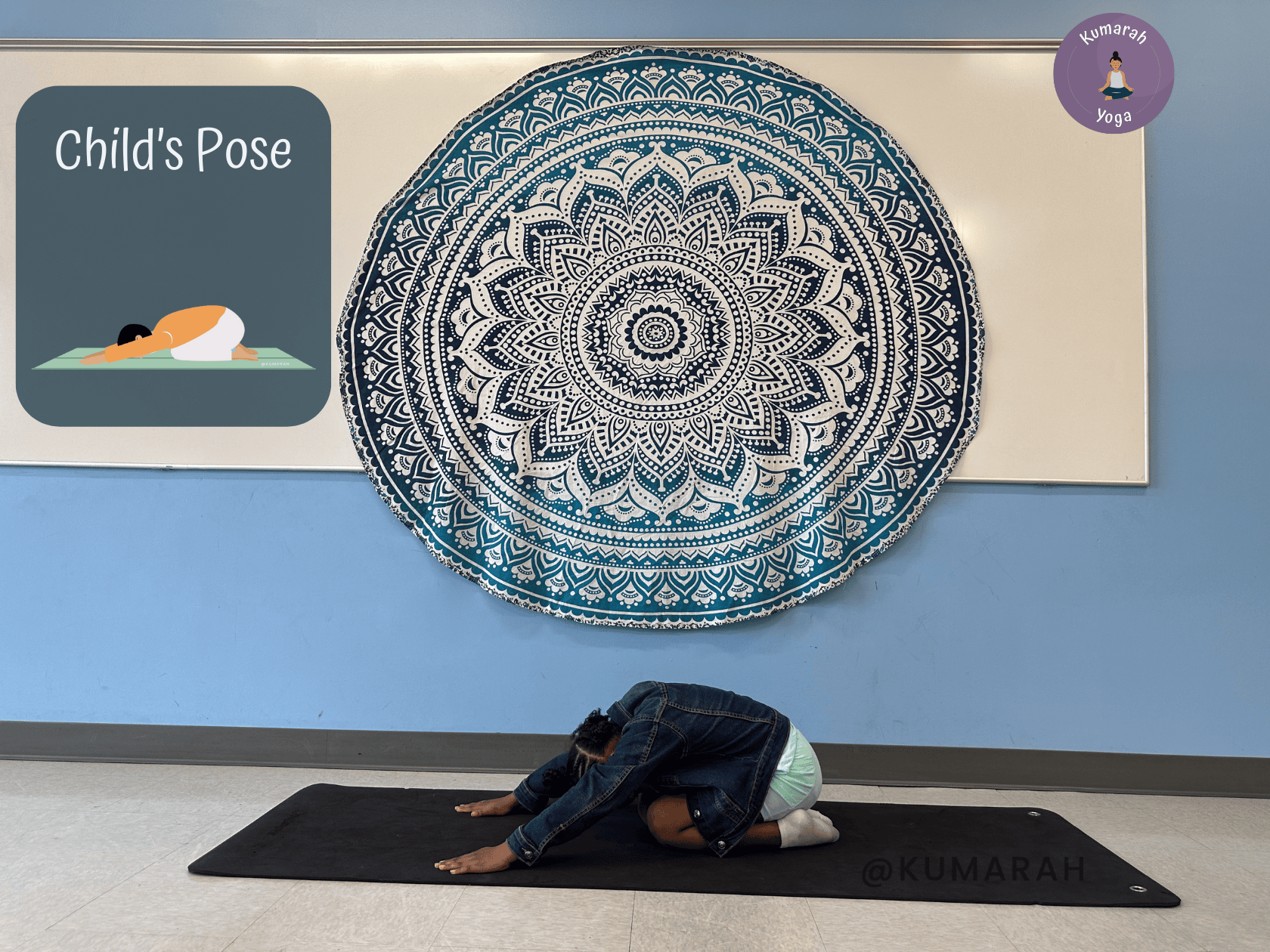
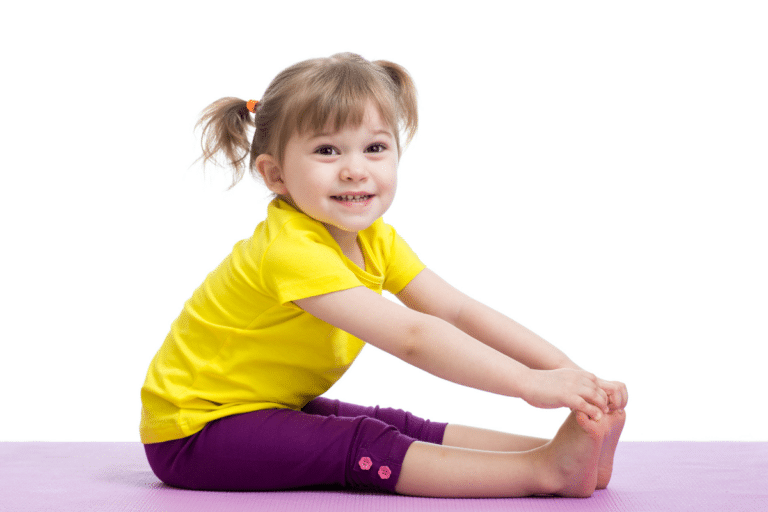
Seated Forward Fold
Sitting with legs out and folding forward is deeply calming. The compression on the belly can feel soothing, especially for anxious kids.
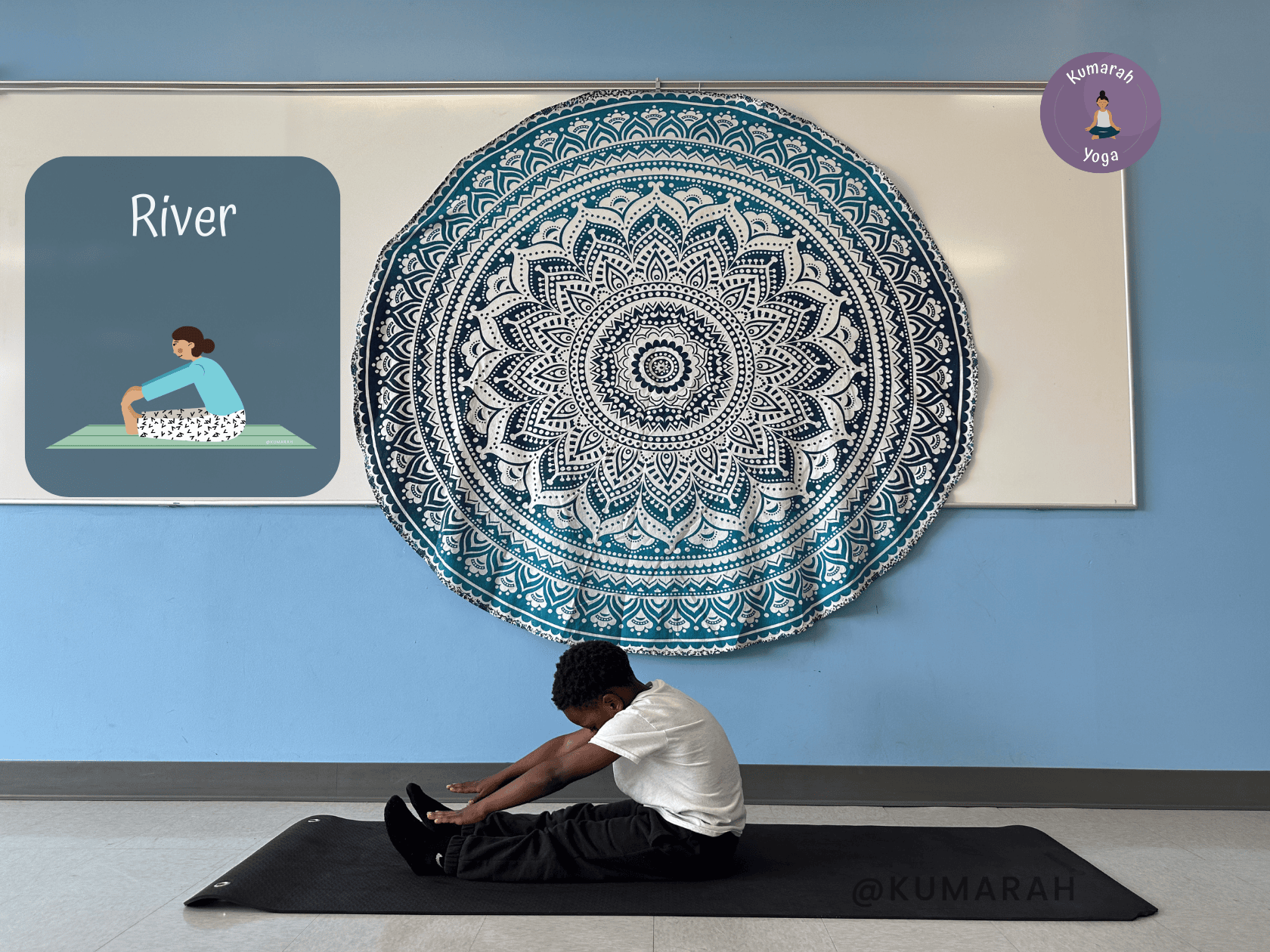
Star Pose with Belly Breathing
Standing wide with arms out, taking big belly breaths.
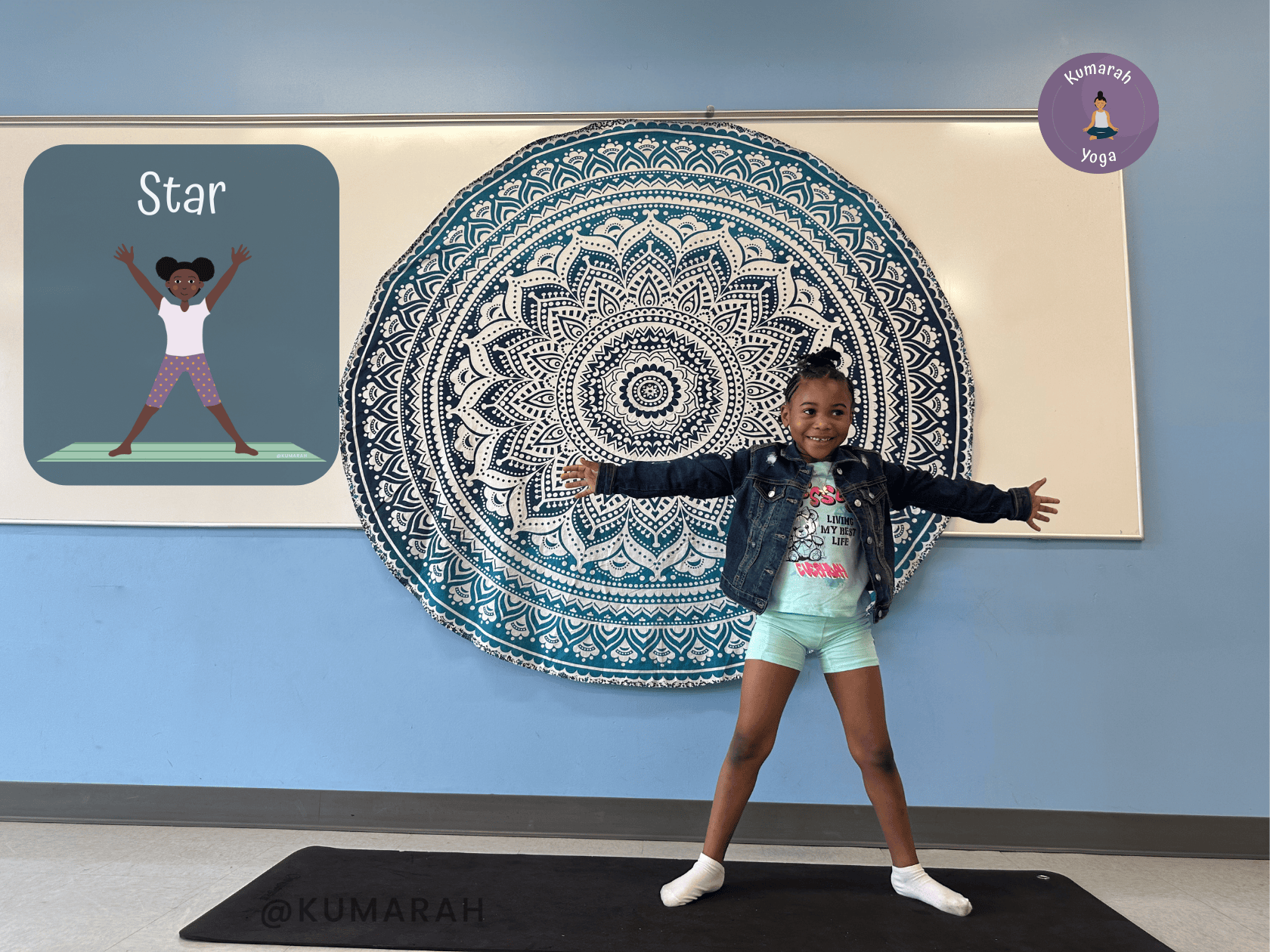
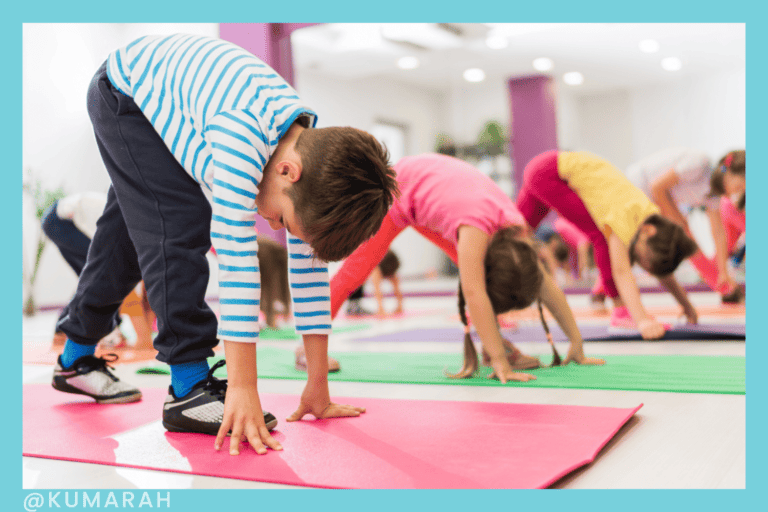
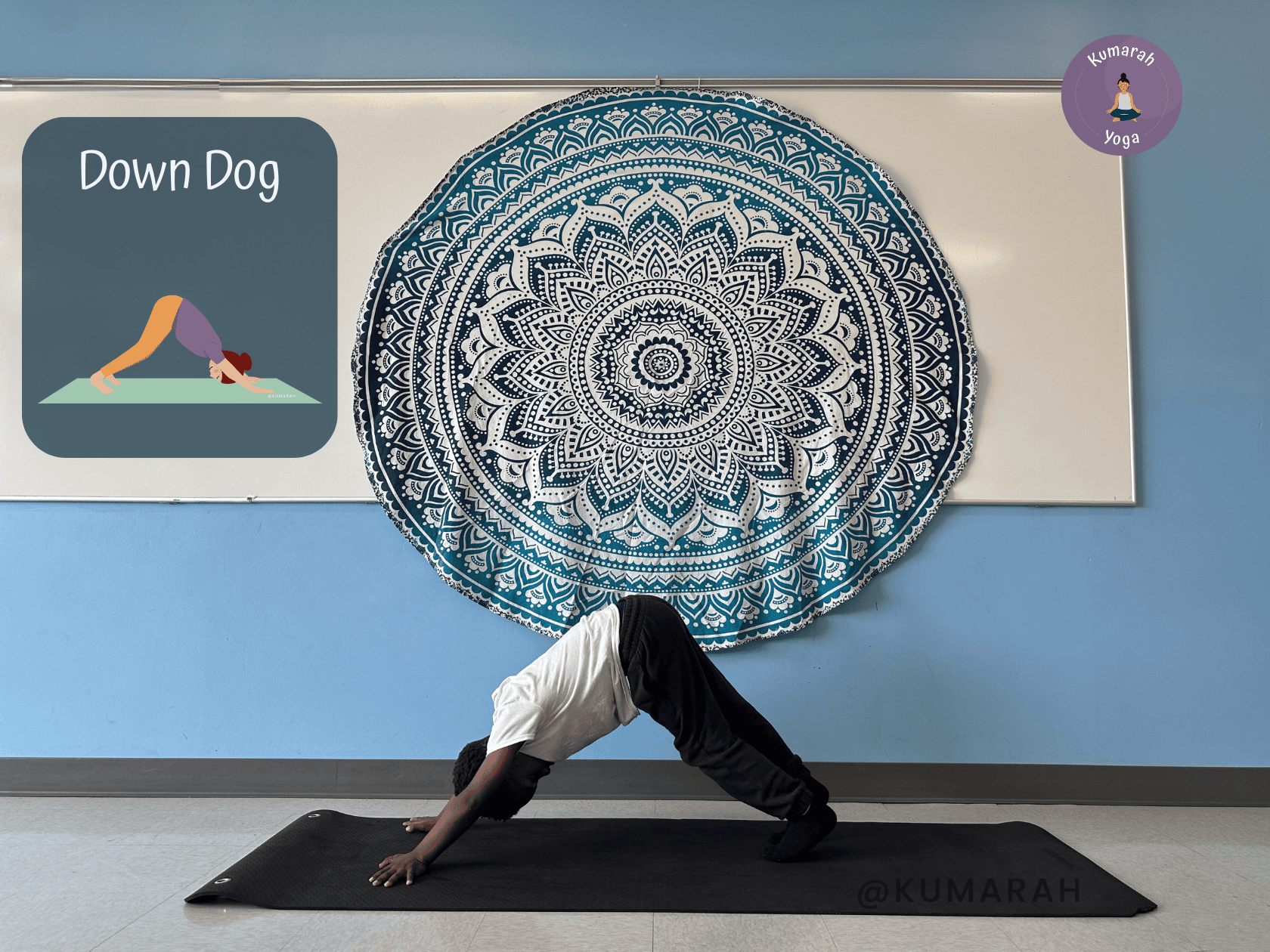
Downward Dog Pose
Start with your hands and feet on the floor in table top position. Gently lift your hips up and back, releasing your head down in between your arms. Press back to stretch your spine long, and bend your knees gently one at a time.
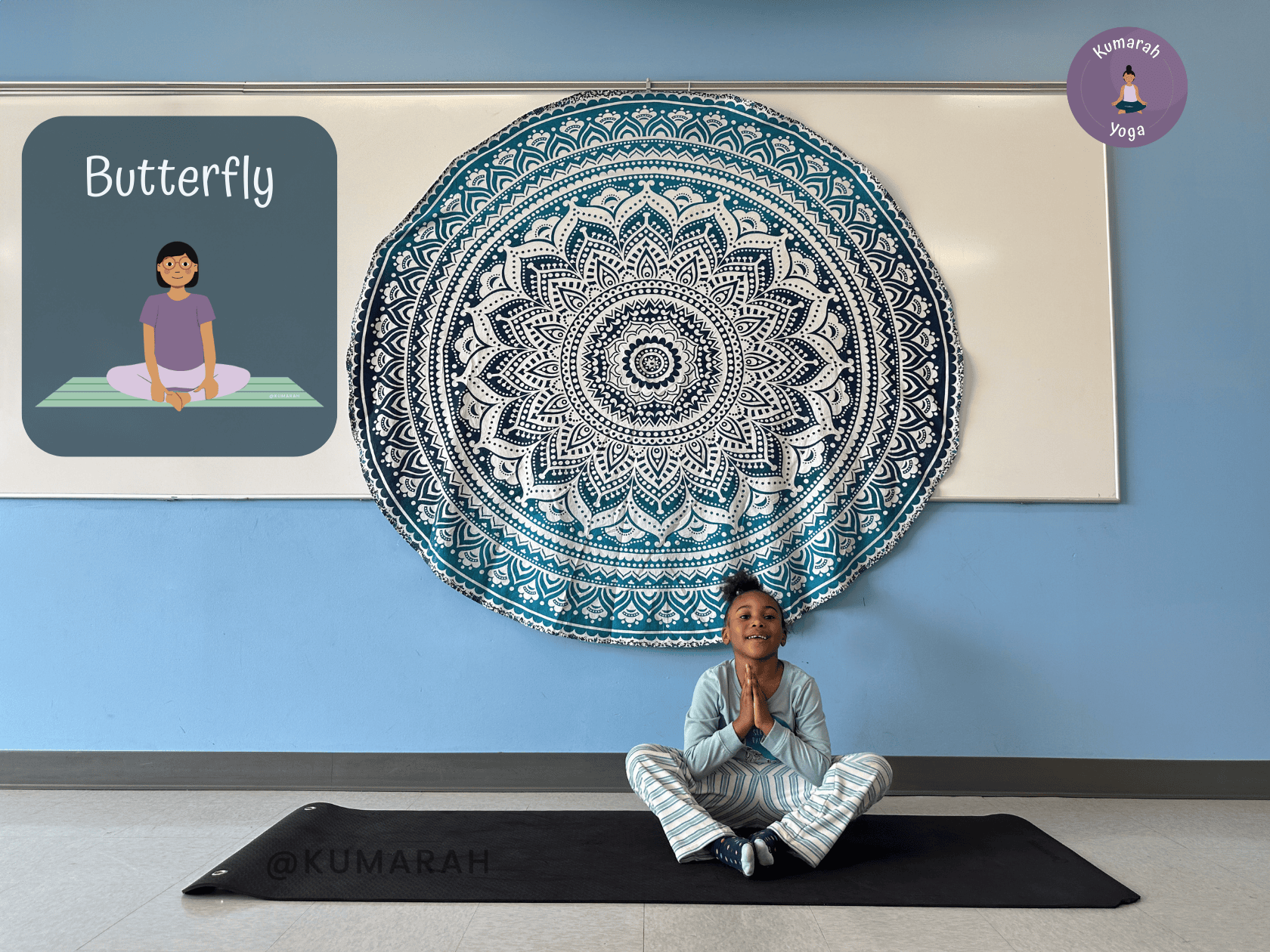
Butterfly Pose
Seated, soles of feet together, gentle flapping of the knees. Rhythmic movement is naturally regulating for the nervous system.
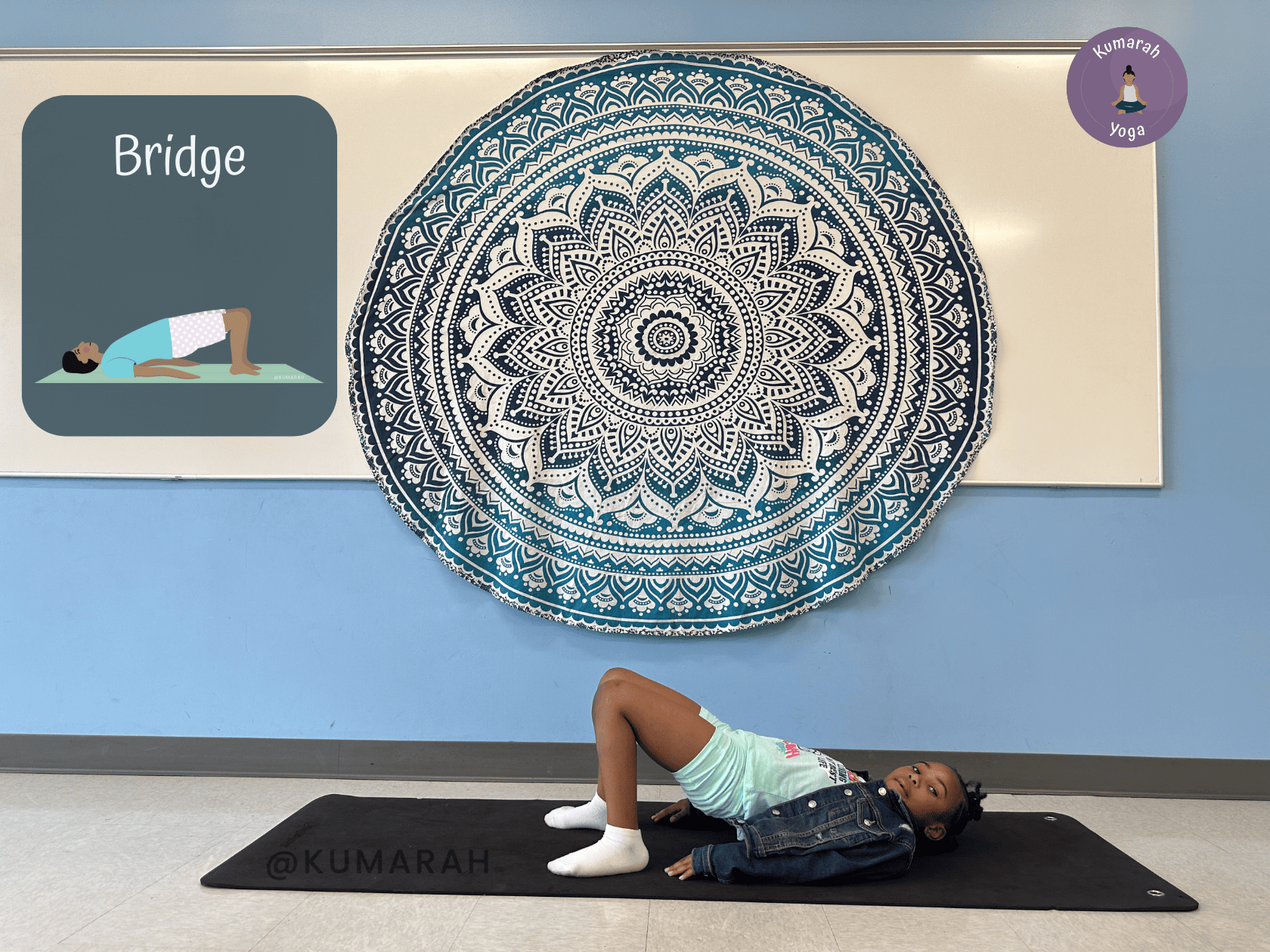
Bridge Pose
Lie on your back with your arms down by your hips and your feet flat on the floor, knees bent. Gently push into your feet and lift your hips up, pressing your tummy to the sky. Keep your head and shoulders still, and take a few deep breaths.
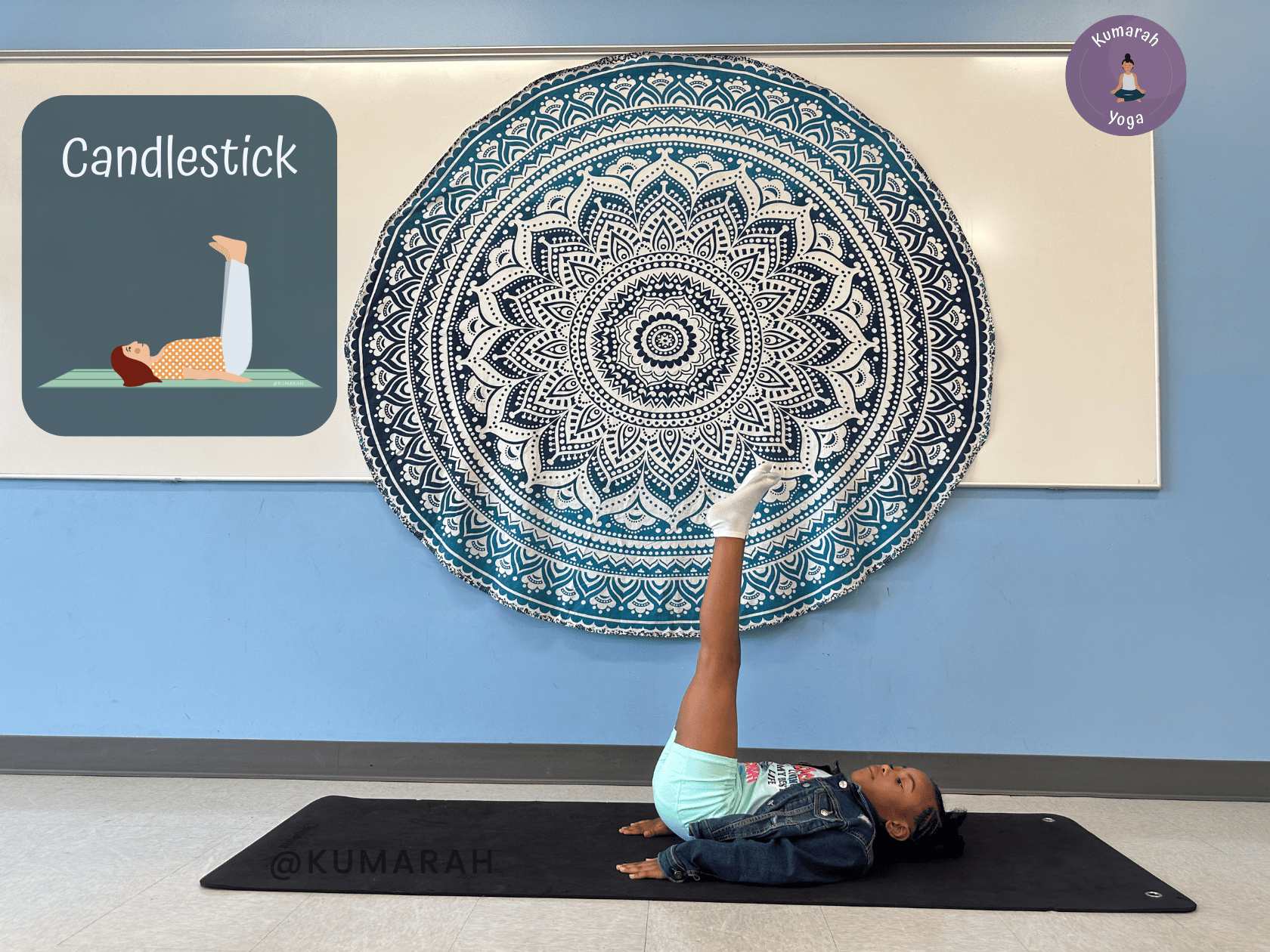
Legs Up the Wall
Lying down with legs resting up the wall, or a chair. One of the most calming postures available; great for a corner that has wall space.
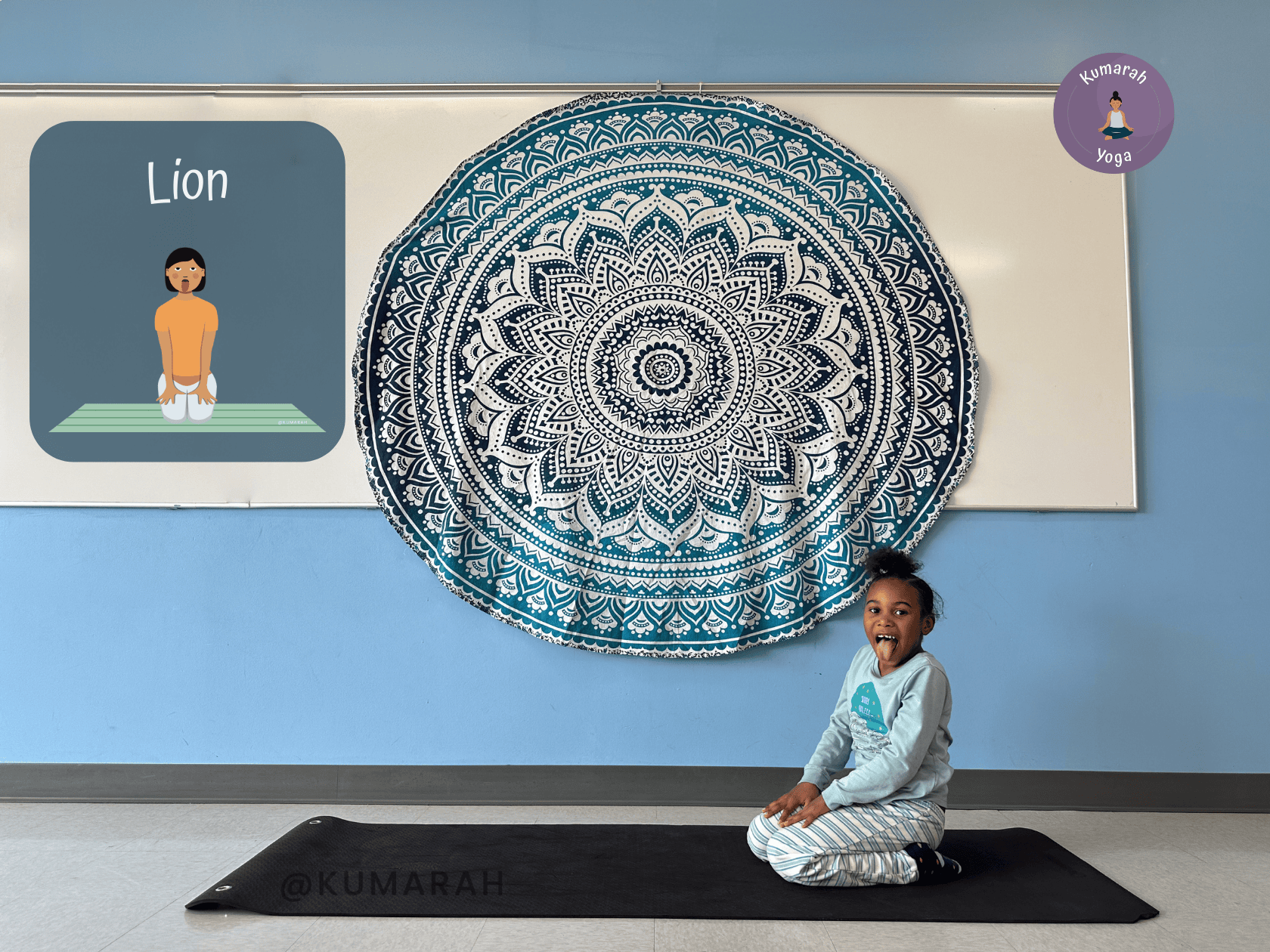
Lion’s Breath Pose
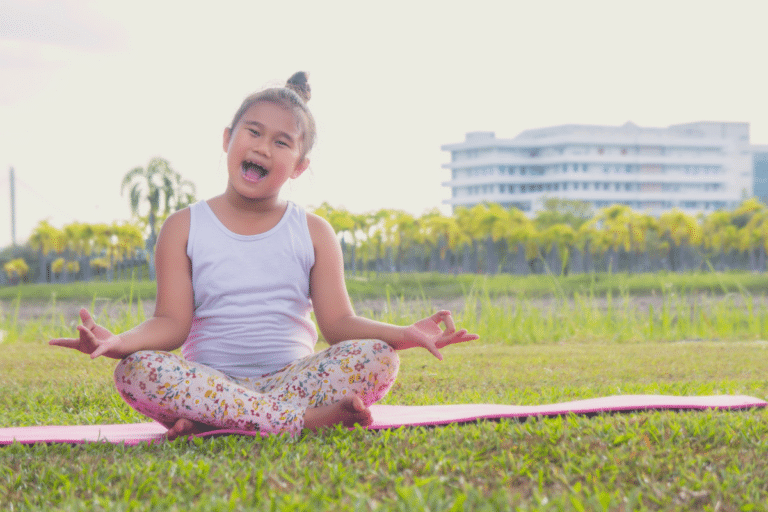
Kneeling, hands on knees, big exhale with tongue out and a throaty roar. Releasing tension through the face and throat works well for kids who are holding a lot of stress, and it always gets a laugh — which is its own kind of reset. Fair warning: a lot of kids won’t stick their tongue out at all, because they’re convinced their tongue is stinky unless they just brushed their teeth.
How to Teach Kids Self Regulation in the Calm Down Corner
The corner only works if kids know what to do when they get there. Introduce it during a calm moment, never in the middle of a meltdown — and pay attention to the language you use when you teach calming strategies.
- Walk through each pose card together, making it fun and playful, but also adding in deep breaths.
- Practice the breathing techniques as a class or family before they’re ever needed, using breathing cards, or a poster of some favorite examples.
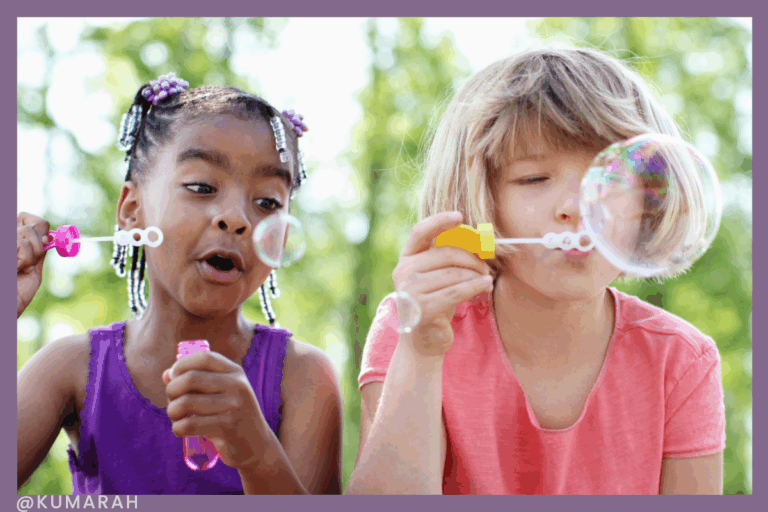
- Focus on the deep breathing. You can use breathing aids like pinwheels or bubbles to guide children in mindful breathing and encourage slow, controlled exhalations.
- Encourage students to reflect on their feelings and use visual aids like emotion charts and a feelings thermometer to help students identify and label their emotions. This fosters emotional literacy and self awareness.
- Role play: “What might you do if you felt really frustrated?” Let kids practice going to the corner and choosing a tool. For younger kids, help them recognize and manage negative emotions, such as feeling frustrated, by modeling self-awareness and using visual tools like emotion charts and feelings thermometers.
- Observe facial expressions to help children recognize and understand their emotions. You can even put a small mirror on the wall so kids can SEE their own facial expressions.
- When discussing past incidents, such as tantrums or meltdowns, revisit them in a non judgmental way to foster problem solving and growth.
- Use it yourself — when adults model self-regulation, kids learn it’s normal and valuable
- For testing season specifically: practice a short 2–3 minute calm-down sequence before tests as a class routine, so kids already have the muscle memory when anxiety spikes.
For Parents: An At-Home Calm Down Corner
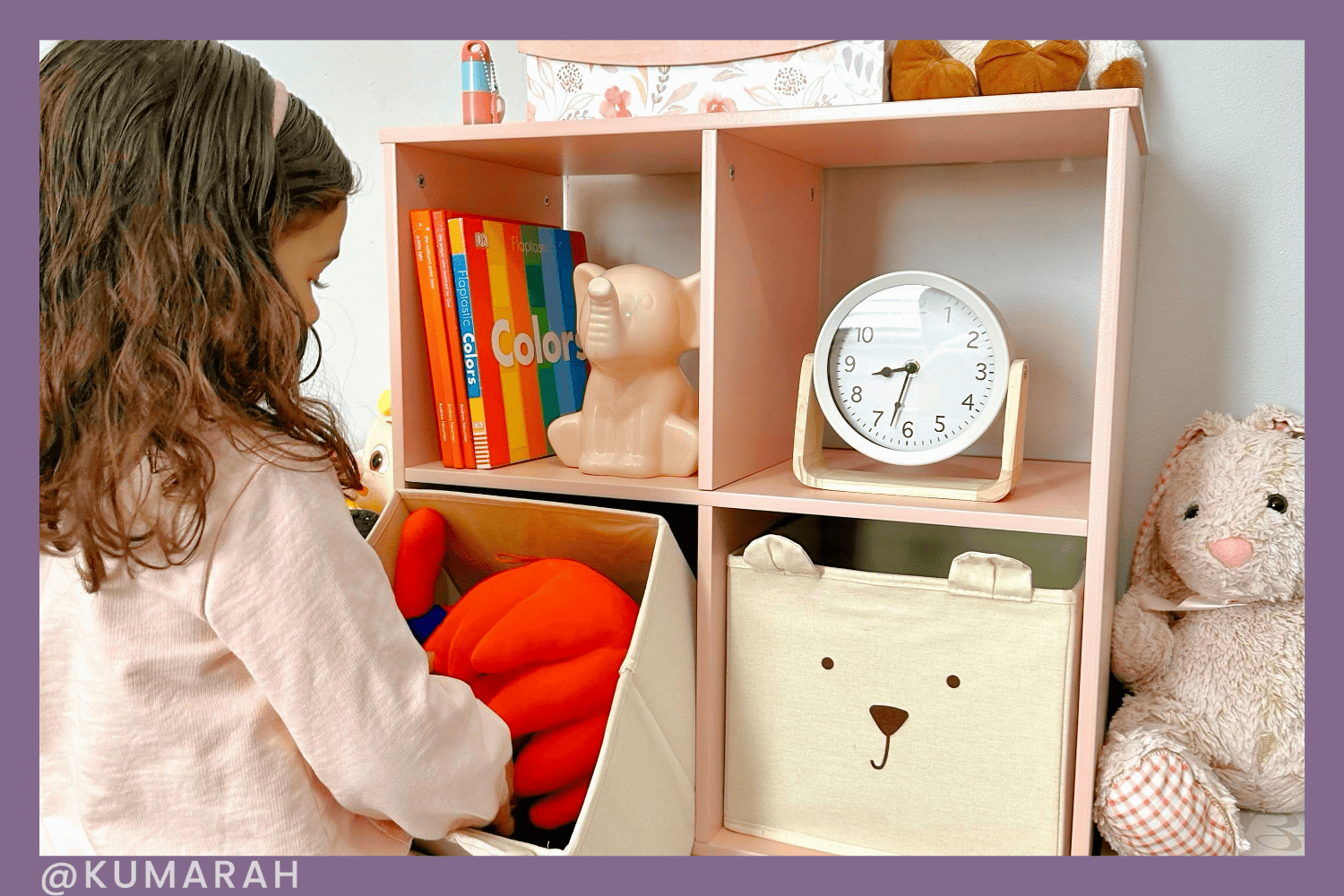
You don’t need a classroom to make this work. A calm down corner at home might be:
- A corner of their bedroom with a floor pillow and a few pose cards
- A “calm down kit” in a small basket they can take anywhere in the house, stocked with cards, props, or fun yoga games to play with kids
- A designated chair with a feelings chart on the wall beside it
- A yoga mat with a Meddy Teddy and a mindfulness breathing book
- A sensory play area with items like sensory bottles, glitter jars, or sensory tables to engage their senses and support emotional regulation
The key is consistency — it should always be there, always be the same, and never be used as a threat or punishment.
Are you ready to set up your calm down corner for kids?
If you have a few small tools, a space or yoga mat in mind, then yes! Just get everything assembled and share the magic of emotional regulation with the kids you care about.
Testing season and end-of-year energy are tough on kids (and the adults who love them). But giving kids a concrete, body-based strategy — a place to go and poses to do — means they’re not white-knuckling it through the hard moments alone.
A calm down corner says: your big feelings are welcome here, and here’s what you can do with them.
That’s a message worth giving kids all year long.