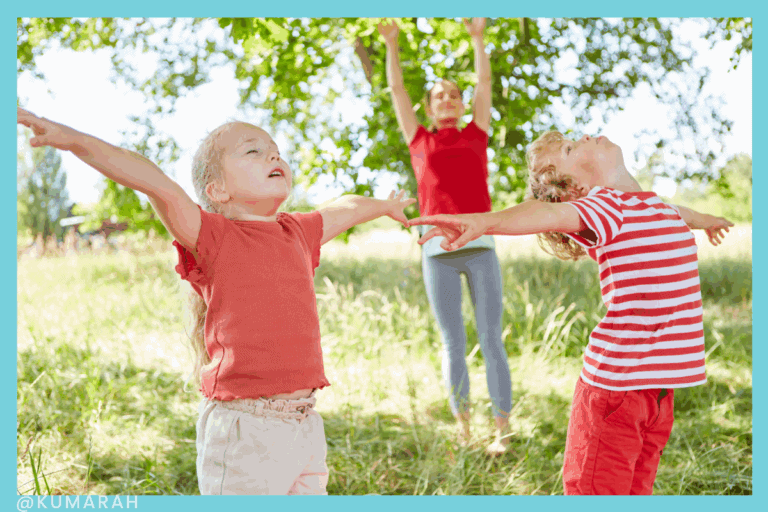
Bugs are so fun, and pretending to be a bug? Even better.
Spring is the perfect time to bring the world of bugs and insects into your kids yoga class. As the weather warms up and tiny creatures start to emerge, children naturally become curious about the little critters crawling, buzzing, and fluttering around them, sparking their imagination.
Yoga and mindfulness for kids is all about paying attention — and that includes noticing the smallest things in the world around us. Parents and teachers can use insect yoga to introduce yoga and mindfulness to kids, helping them slow down and observe a ladybug on a leaf or a butterfly landing on a flower, while building awareness skills we practice on the yoga mat.
The best part? Kids think bugs are fascinating. When children pretend to fly like a dragonfly or creep like a caterpillar, they’re building creativity, balance, flexibility, and gross motor coordination — all while learning to calm their minds and regulate emotions. Insect yoga makes movement playful and meaningful, giving teachers and parents a fun way to introduce mindfulness to kids.
Let’s get started!
Grounding and Centering: The Butterfly Life Cycle Warm-Up
Every good kids yoga class starts with grounding — helping children arrive on their mats and settle into the present moment. For this insect yoga lesson, use the butterfly life cycle as a storytelling warm-up that gets kids moving right away. Encourage children to use their imagination and become part of the story, making the experience playful and engaging.
Guide students through each stage:
Egg: Begin curled into a tiny ball on the mat, knees tucked into the tummy. You’re a little egg sitting on a leaf, perfectly still and quiet.
Caterpillar: Slowly start to wiggle and crawl, stretching out from the ball. Inch along your mat like a hungry caterpillar.
Chrysalis: Tuck back down into child’s pose. You’re wrapped up tight inside a chrysalis, getting ready for a big transformation.
Butterfly: Slowly emerge! Rise up to a comfortable seat and flap your arms wide like beautiful butterfly wings. What color wings do they have?
Invite children to create their own bug stories or invent new insect poses as part of the warm-up, fostering creativity and active participation.
This activity introduces movement and storytelling right from the start, while also teaching the concept of growth and transformation — a wonderful mindfulness theme for kids. Insect yoga combines storytelling, physical exercise, and nature exploration, making yoga fun and accessible for young children, usually ages 2-8.
Bug Themed Breathing Exercises
Once students are warmed up and settled, it’s time to bring in some focused breathing. Encourage children to take deep breaths during these exercises, as slow, mindful breathing helps promote relaxation and calmness. These two insect-inspired breathing exercises work well as a transition into the main lesson.
The Bee’s Buzz (Bumble Bee Breath)
Sit up tall and take a deep breath in through the nose. As you breathe out, close your lips gently and hum. Feel the vibration in your lips, your nose, even your chest. This is a calming, soothing hum — like a honeybee buzzing gently through a garden.
For a more energizing version, try saying “bzzzzz” on the exhale with your lips slightly open. The extra vibration wakes up the body and adds a playful element that kids love.
Butterfly Breaths
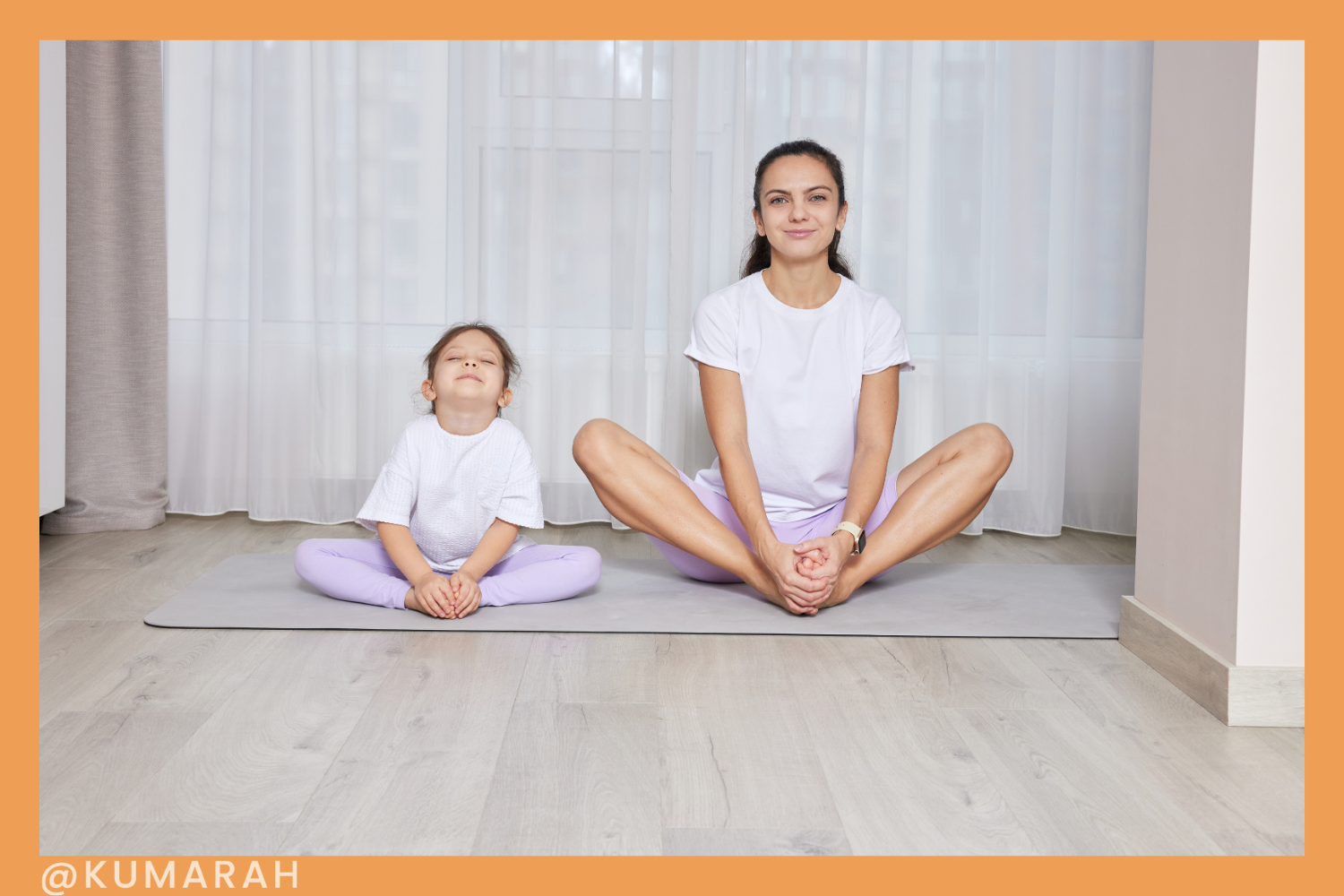
Sit with your legs in a diamond shape, soles of the feet together. Place your hands on your ankles. Take a deep breath in and raise your arms out wide like wings. On the exhale, lower your arms gently back down. Repeat for several rounds, pretending to fly slowly through a meadow.
This one doubles as a gentle hip opener and a calming breathwork practice — two for one!
For more breathing activities and printable breathing cards, check out this article.
Fun Facts About Bugs
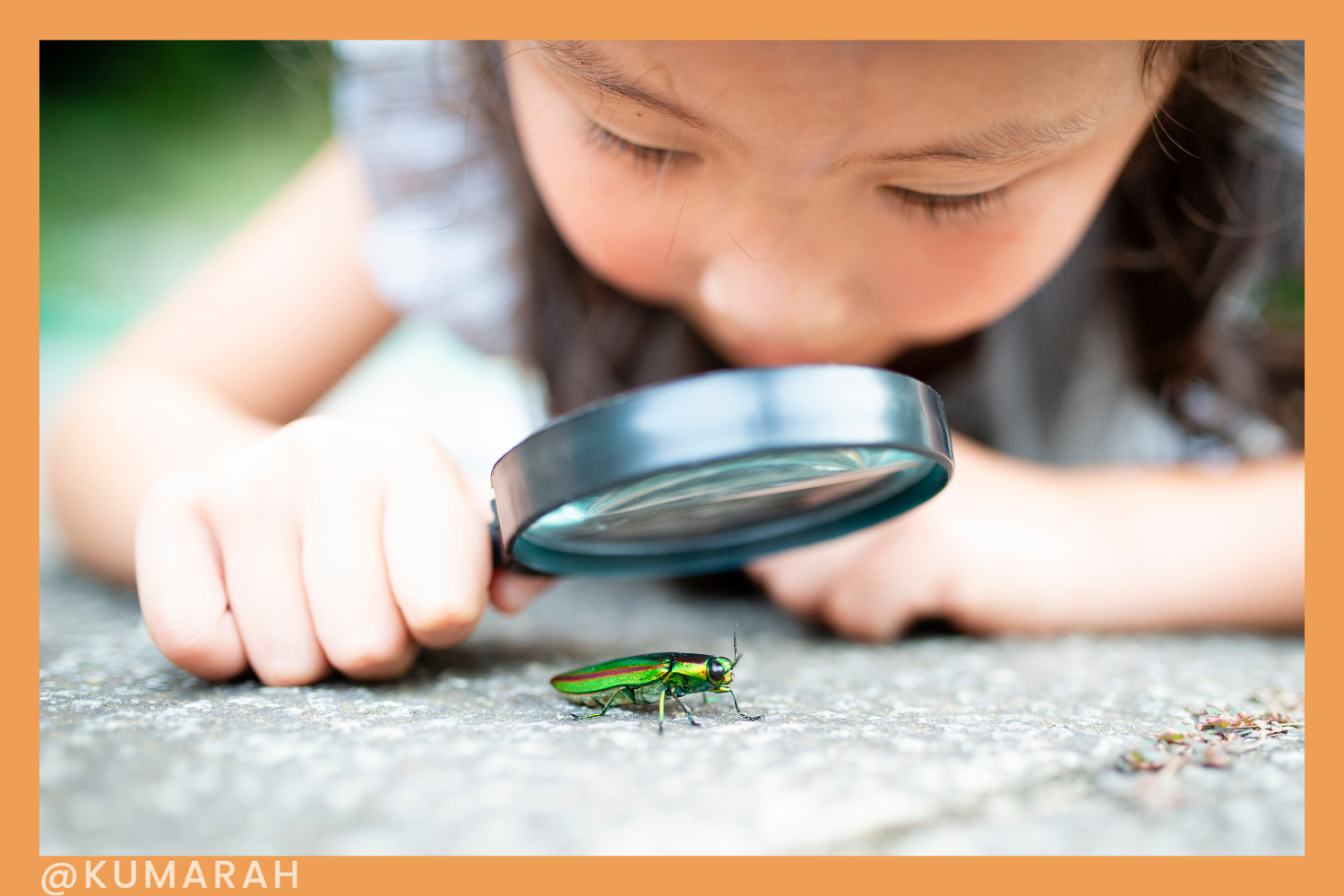
Before jumping into the insect yoga poses, warm up those brains with some fascinating bug facts. These fun facts are perfect for sparking curiosity and can be used in school settings to enhance learning about insects and movement.
You can share these before the pose section, or sprinkle them in alongside each pose for a more interactive experience.
- Ants can lift up to 50 times their own body weight. That’s like picking up a car over your head!
- Butterflies taste food with their feet. When they land on a flower, they can tell right away if it’s something they want to eat.
- Dragonflies have been around for over 300 million years, making them one of the first insects to ever exist on Earth.
- Fireflies use their glowing lights to communicate. Each species has its own unique flash pattern.
- Ladybugs aren’t always red with black spots — they come in many colors and patterns. A single ladybug can eat up to 5,000 insects in its lifetime!
- Honeybees communicate by dancing. Their waggle dance tells other bees exactly where to find food. Plus, they’re responsible for pollinating about one-third of the world’s crops.
Insect and Bug Themed Yoga Poses
Now it’s time for the core of the class — bug yoga poses! Each pose below pairs a real yoga shape with a bug-themed twist — perfect for keeping kids engaged and imaginative.
You can teach these poses on their own, pair them with the fun facts above, or string them together in a storytelling adventure where kids go on a pretend bug safari.
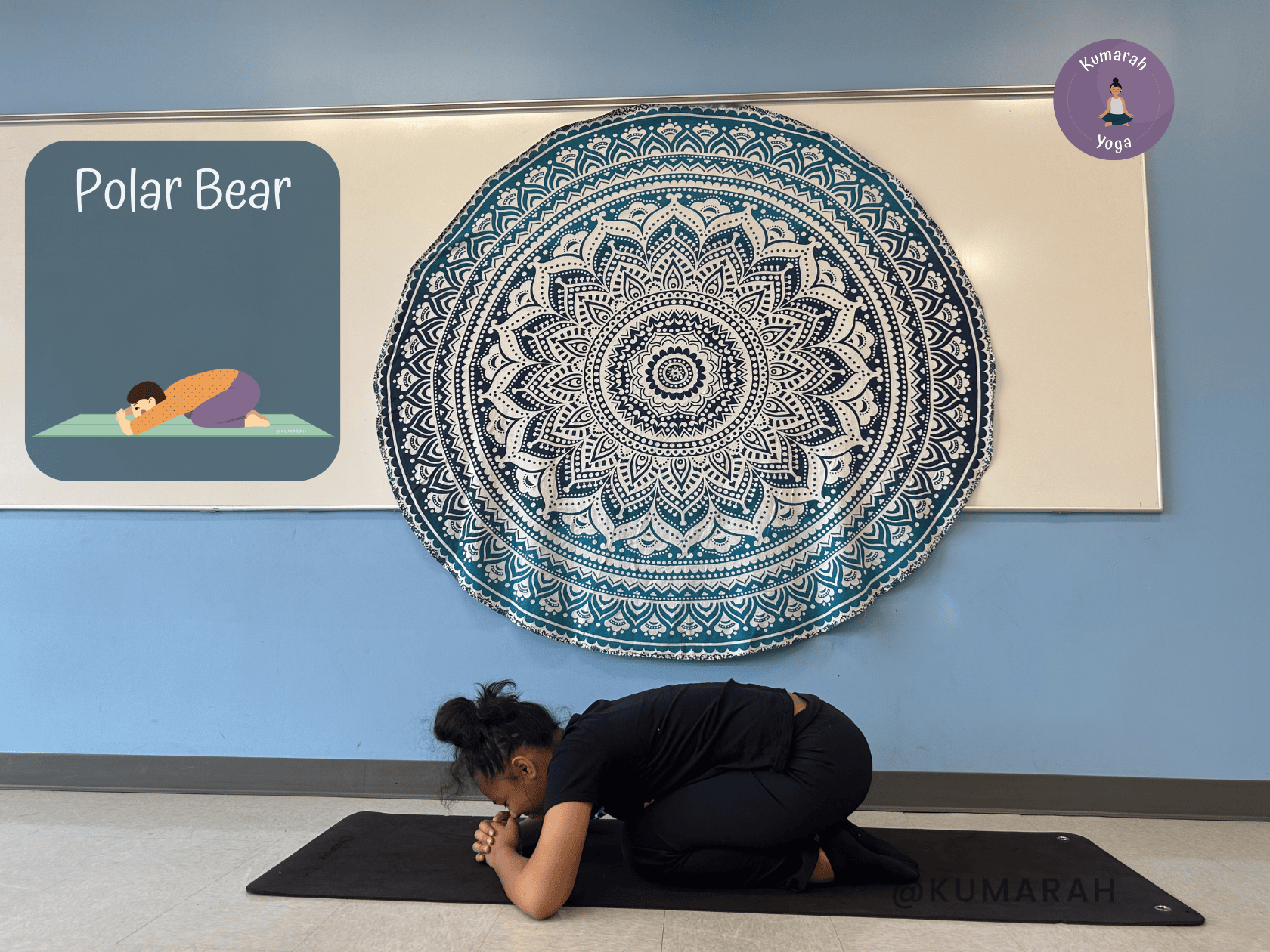
Ant Pose (Modified Child’s Pose)
Sit on your heels and tuck your head down to the floor. Place your hands and chin on the ground like a tiny ant crawling along.
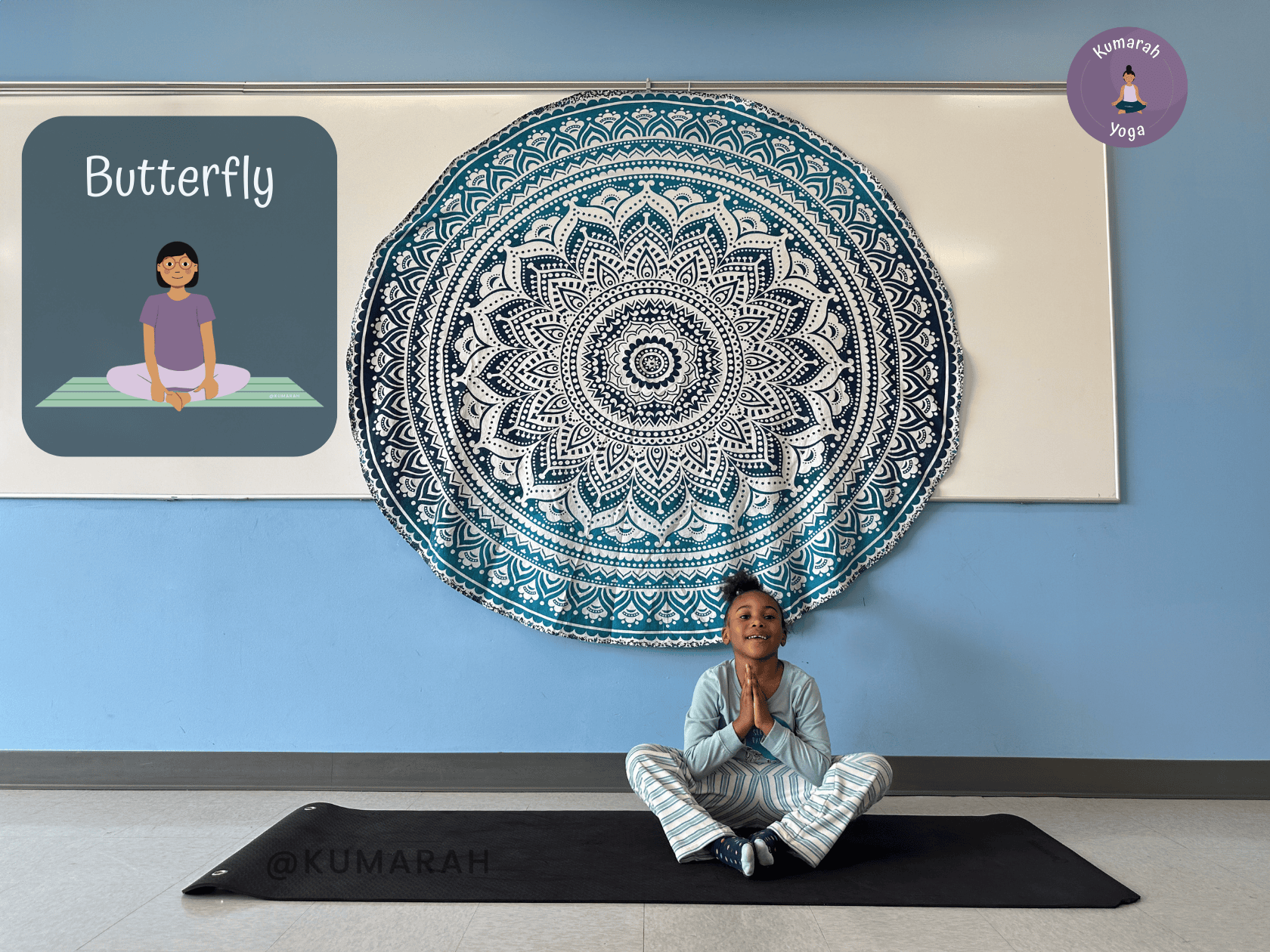
Butterfly Pose
Sit with your feet touching and knees bent out to the sides. Flap your legs like wings while gently moving your head side to side. Remember to focus on sitting tall with a straight back and relaxed shoulders for good posture.
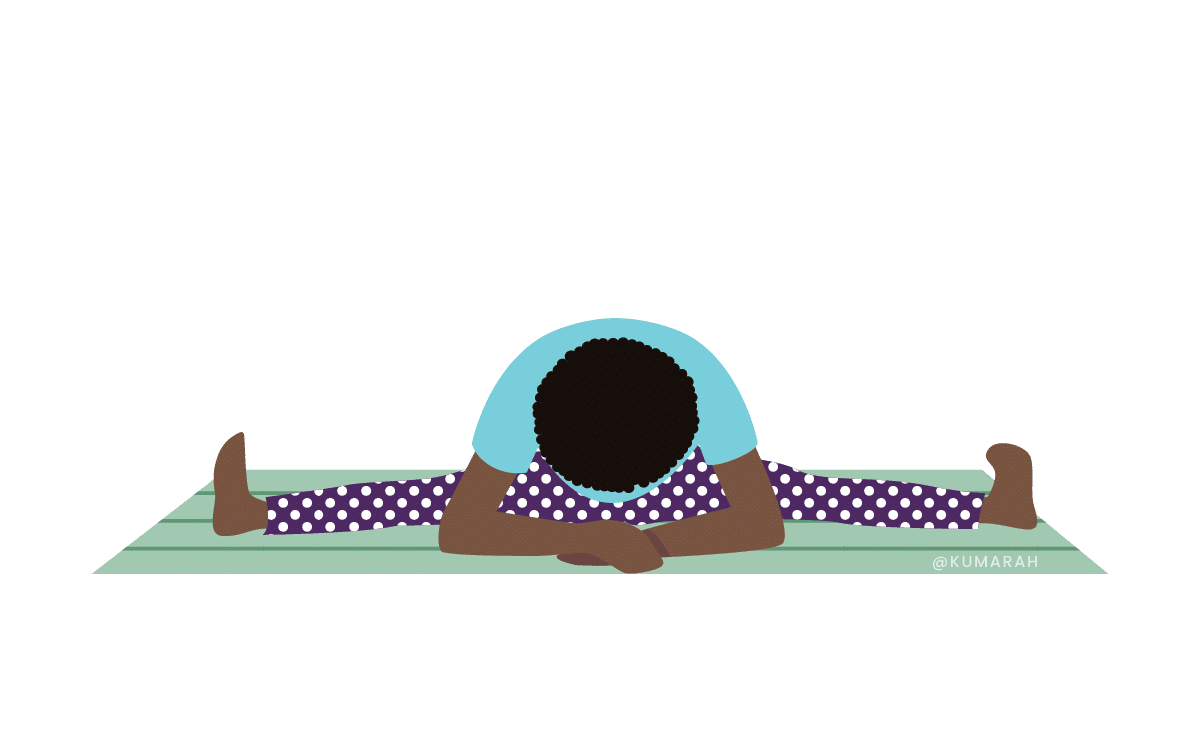
Dragonfly Pose (Seated Wide-Legged Forward Fold)
Sit on the floor with legs spread wide. Reach both arms straight out in front of you and slowly lower your chest toward the ground. For a fun variation, stand on one leg and extend the other leg behind you while bending your torso forward, mimicking a dragonfly flying around the garden.
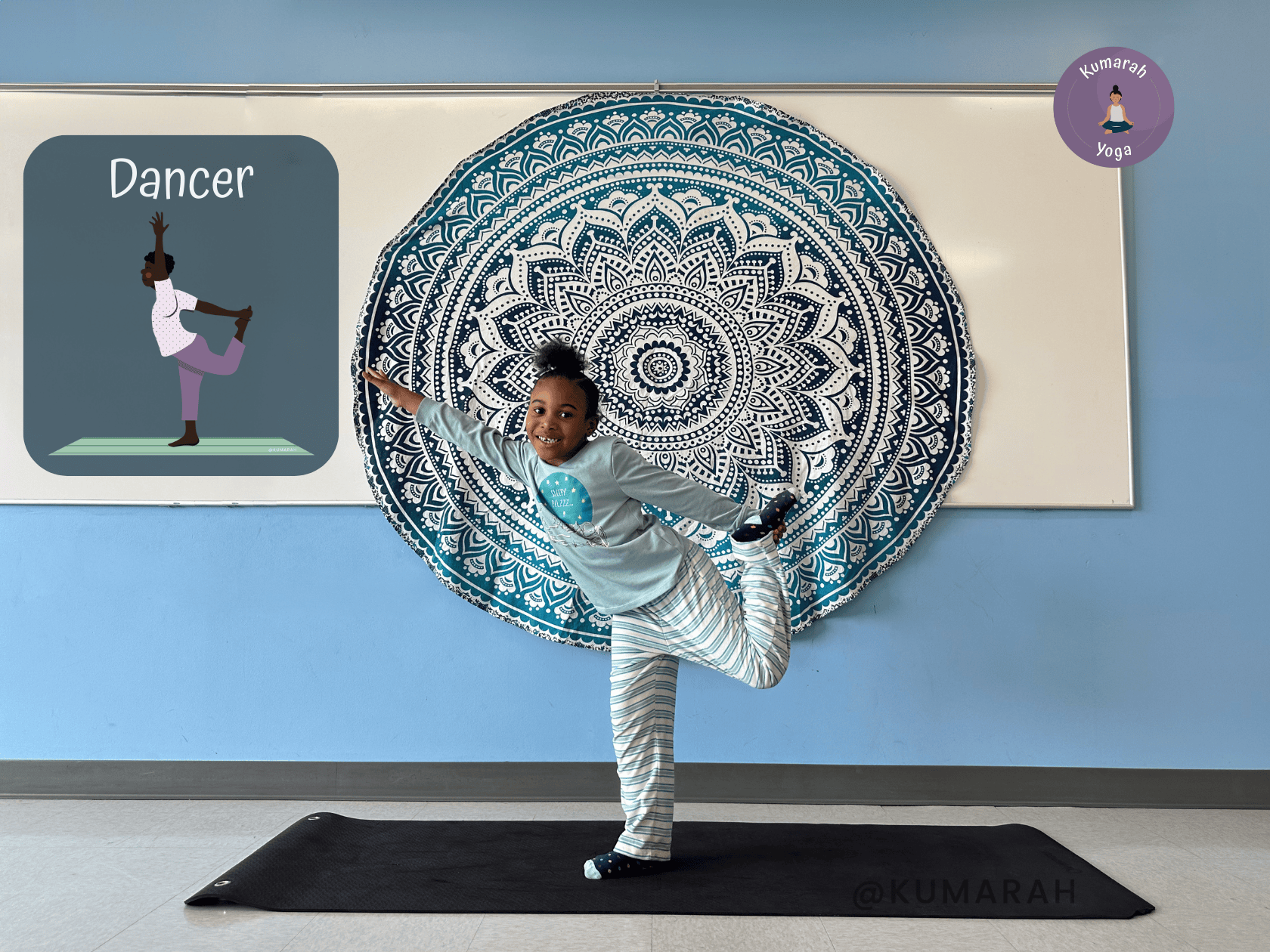
Firefly Pose (Dancer Pose)
Stand tall on one leg. Hold the opposite foot behind you and reach your free arm forward. For an extra challenge, press the raised foot up and back to find your balance.
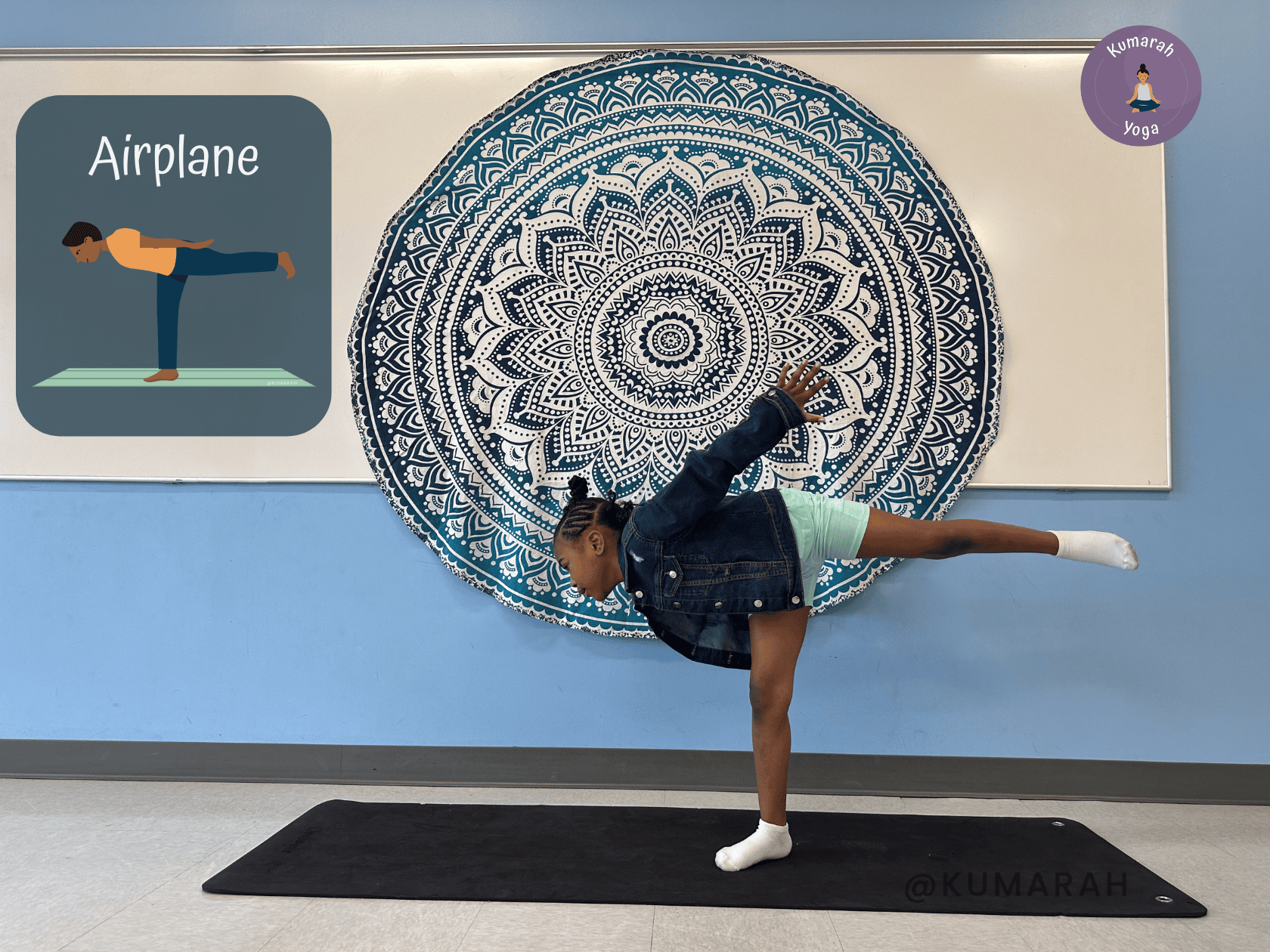
Moth Pose (Airplane Pose)
Stand on one foot and slowly bring the other leg out behind you. Hinge forward at the hips and reach your arms out to the sides like the wings of a giant moth.
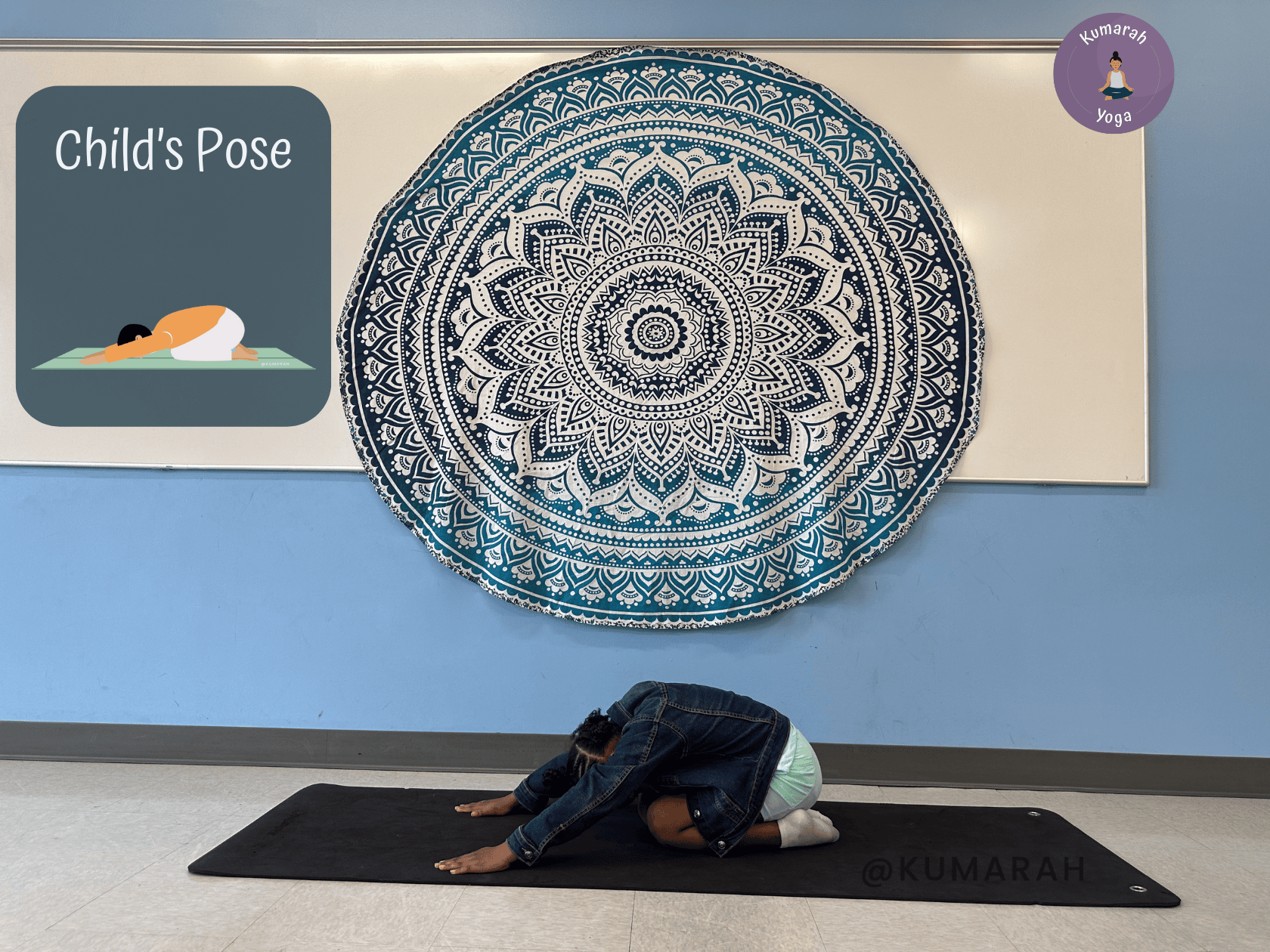
Ladybug Pose (Extended Child’s Pose)
Start on hands and knees, then sit back onto your heels while reaching your arms out long in front of you. Rest your forehead on the ground, imagining you are a ladybug resting on a leaf.
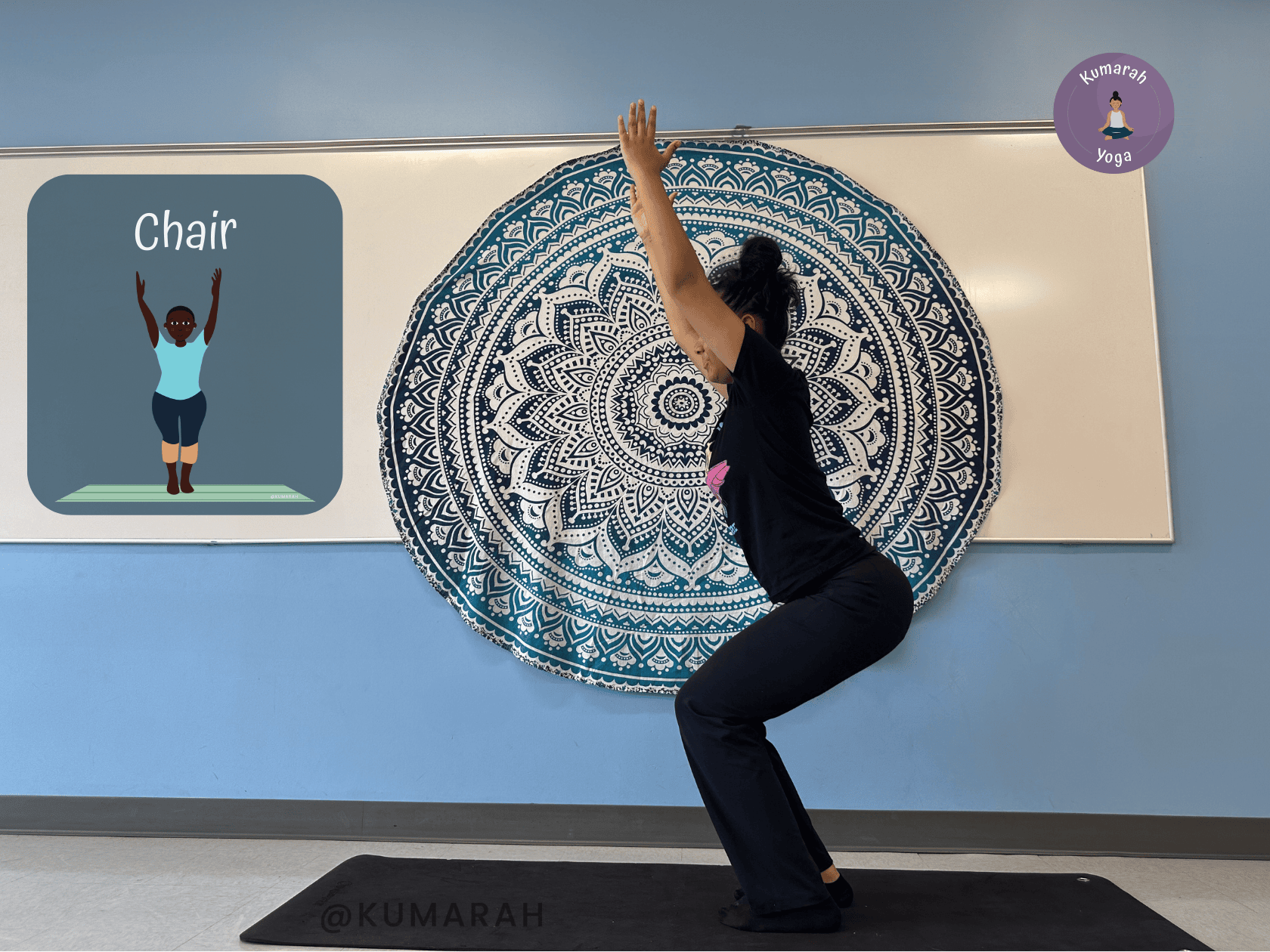
Praying Mantis Pose (Chair Pose)
Stand tall and bend your knees, sitting back into an imaginary chair. Bring your hands together in front of your chest in prayer position.
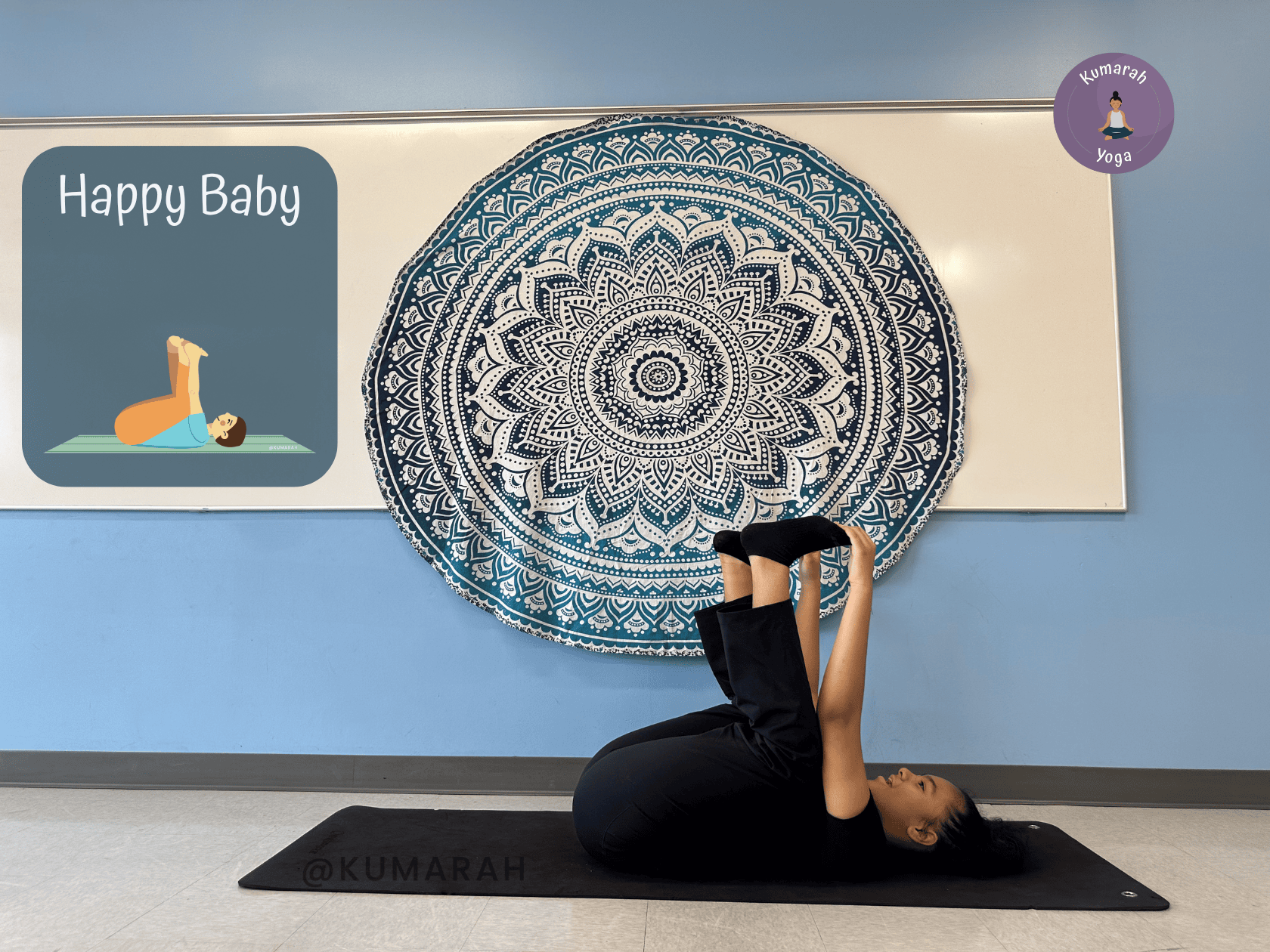
Beetle Pose (Happy Baby)
Lie on your back and grab onto your feet with knees bent out to the sides. Rock gently side to side like a beetle stuck on its back.
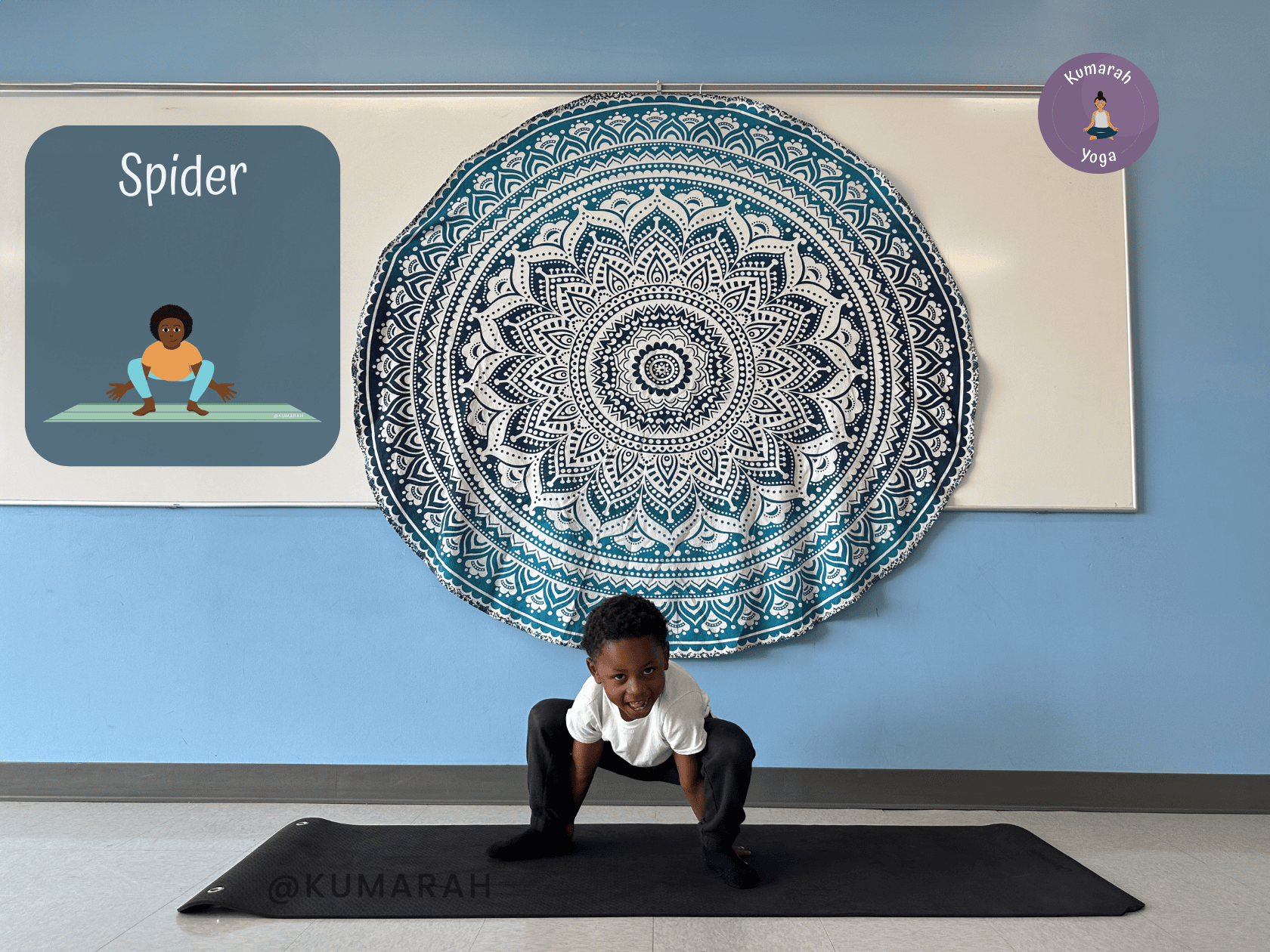
Spider Pose
Spiders Pose is a choice between two options. Either a sitting position with knees bent and feet flat on the floor, and tucking your arms under your bent knees with hands out to the sides. This creates a wide shape with your arms and legs to mimic a spider’s eight legs. Some kiddos like to try this from a squat position, weaving their hands inside the knees and out behind their legs. It feels very silly!
Dead Bug Pose
Lie on your back with arms and legs reaching up toward the ceiling, gently moving them as if you’re a bug on its back. Try using your opposite arm and leg to reach out and back and then switch. Practicing poses like the Dead Bug can strengthen the core and improve body coordination in children.
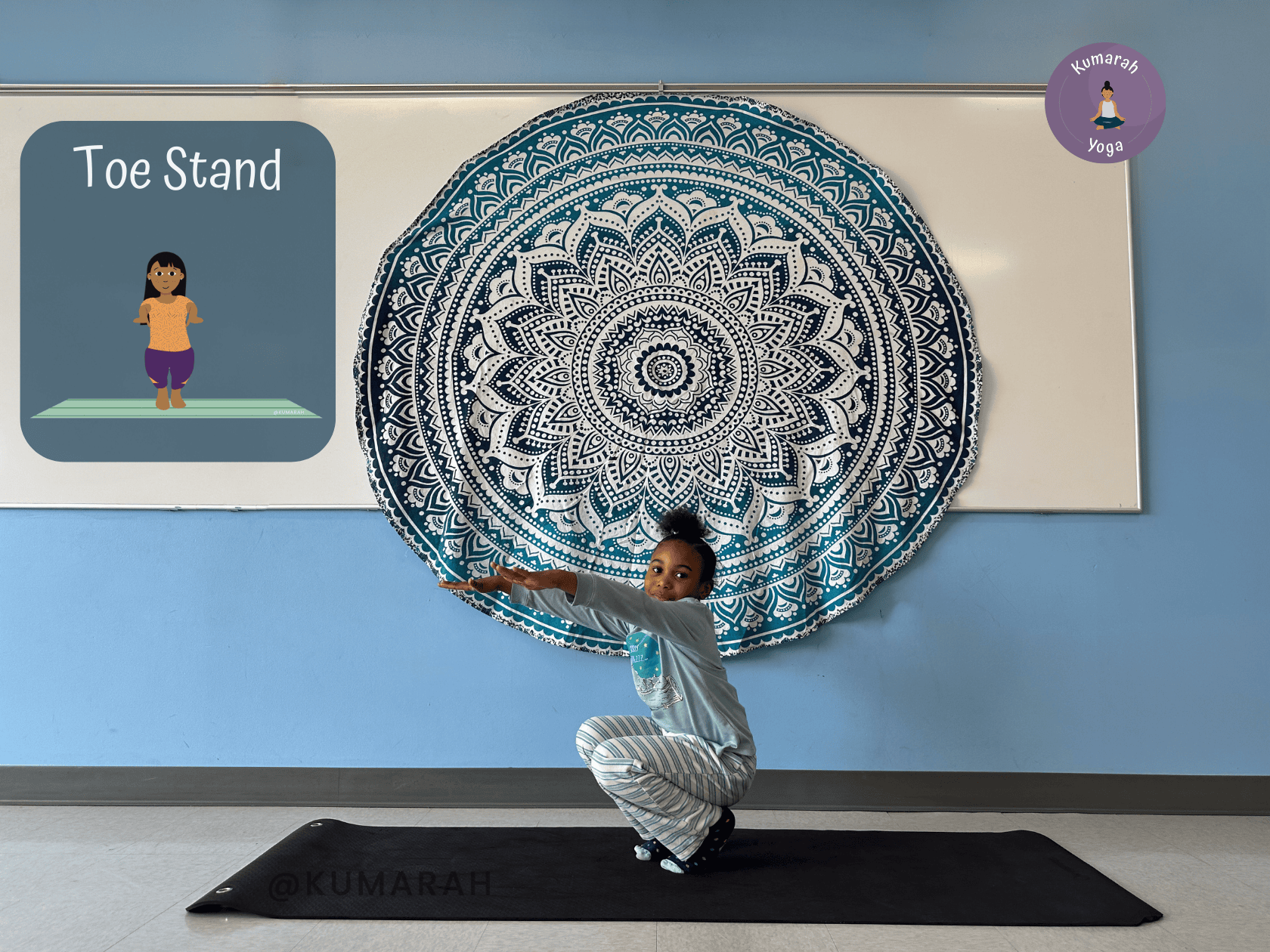
Bee Pose (Toe Stand)
Squat down low with knees together and lift your heels to balance on your toes. Tuck your hands into your armpits and wiggle them like little wings while you buzz. For a variation, start in a tall kneeling position, reach out to the side with both arms, and lean side to side to simulate a bee flying.
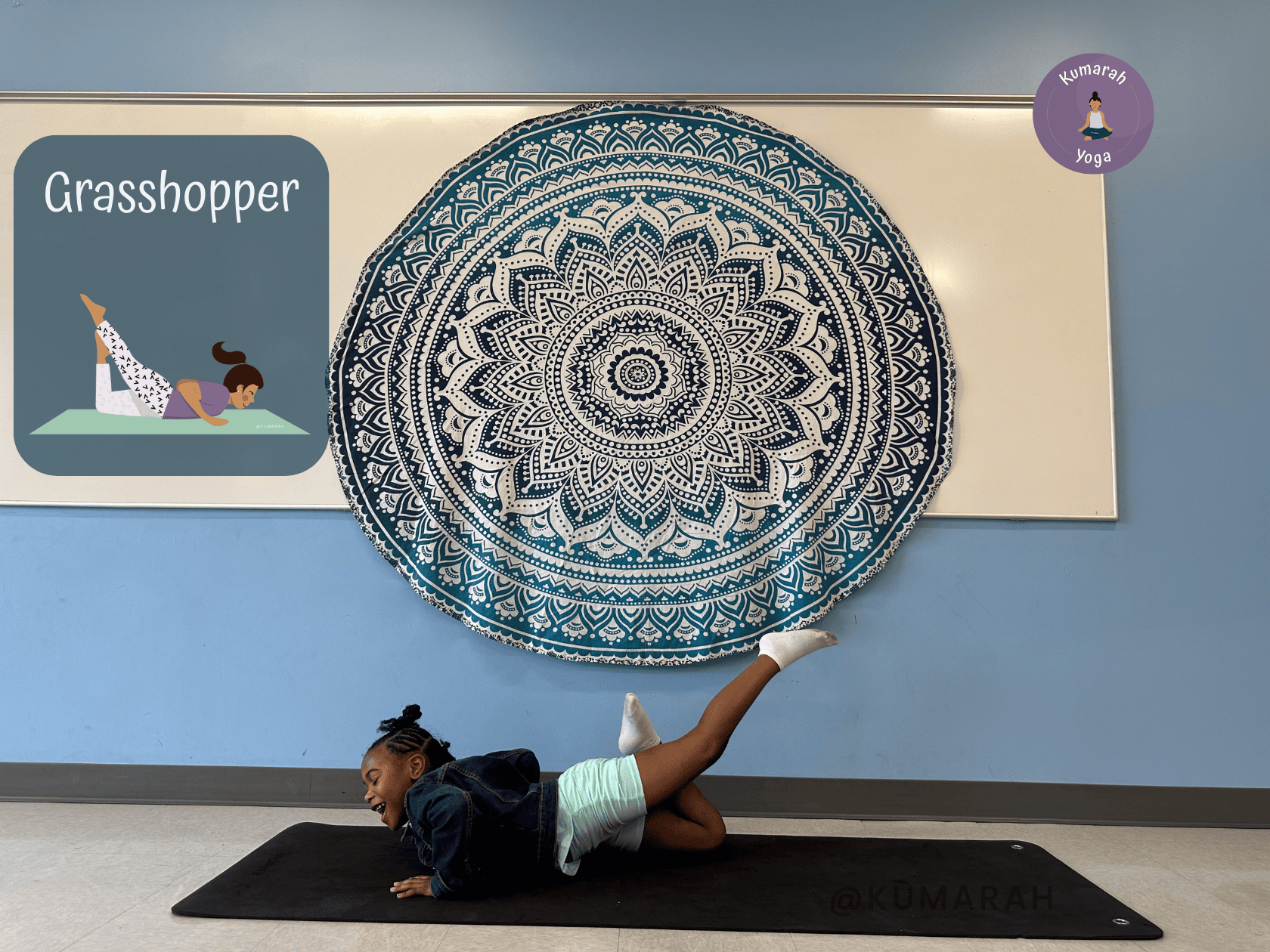
Grasshopper Pose (Modified Baby Cobra)
Lie on your tummy with hands under your shoulders, looking forward. Bend both knees, then lift one leg from the hip and rest it on the other foot with your top leg straight.
Inchworm Pose (Puppy Pose)
Start on hands and knees, then walk your hands forward until you feel a nice stretch through your back. Hold for a few breaths, then walk your hands back in.
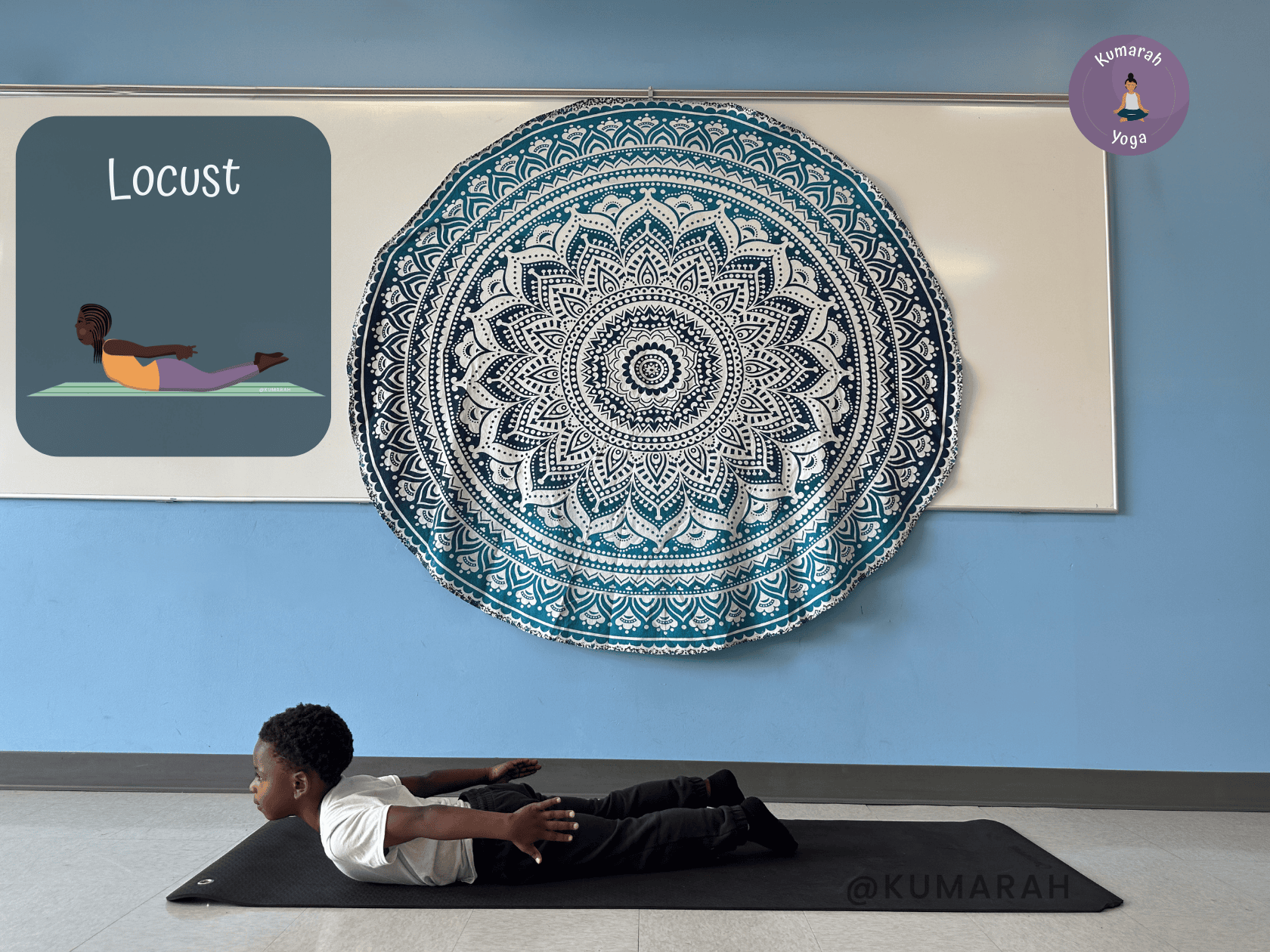
Caterpillar Pose (Locust Pose)
Lie on your tummy with arms at your sides and legs long behind you. Lift your chest and legs off the ground and wiggle side to side like a caterpillar on the move.
Make sure to leave time for kids to add their own insect or favorite animal poses to the activity. What other ideas can they come up with to create fun yoga poses about bugs and springtime?
Yoga Lesson Plan for The Grouchy Ladybug by Eric Carle
Looking for a way to tie your bug themed yoga class together with a story? The Grouchy Ladybug by Eric Carle is a great book for teaching yoga themes.

The story features a cast of animal friends, making it playful and engaging for young children. In the book, a bad-tempered ladybug picks fights with bigger and bigger animals throughout the day — until a whale finally teaches it a lesson in humility. It’s a wonderful story about kindness, sharing, and the consequences of being a bully.
Teachers can use this book and the following lesson plan for teaching yoga in group settings, helping children connect movement with the story’s animal friends. By pairing each animal encounter with a yoga pose, you create imaginative stories that keep kids engaged while learning.
Here’s how to pair a yoga pose with each animal encounter in the book. Read each page aloud, then have the class move into the matching pose before turning to the next page.
Friendly Ladybug — Extended Child’s Pose (curl up small and round like a ladybug on a leaf)
Yellow Jacket (6:00 AM) — Bee Pose/Toe Stand (squat on toes, tuck hands under arms, and buzz)
Stag Beetle (7:00 AM) — Beetle Pose/Happy Baby (lie on your back, grab your feet, and rock side to side)
Praying Mantis (8:00 AM) — Chair Pose with Prayer Hands (sit back into an invisible chair, hands at heart center)
Sparrow (9:00 AM) — Warrior 3 (balance on one leg, extend the other behind you with arms reaching forward like a bird in flight)
Lobster (10:00 AM) — Goddess Pose (wide squat with arms bent at the elbows, opening and closing like lobster claws)
Skunk (11:00 AM) — Cat/Cow Pose (flow between arching and rounding the back on hands and knees — skunks arch their backs when they’re about to spray!)
Boa Constrictor (12:00 PM) — Cobra Pose (lie on your tummy and press up through your hands, lifting your chest like a snake)
Hyena (1:00 PM) — Downward Facing Dog (press your hips up and back — hyenas look a bit like dogs, right?)
Gorilla (2:00 PM) — Gorilla Pose/Ragdoll Forward Fold (fold forward and let your arms hang heavy, swaying like a gorilla)
Rhinoceros (3:00 PM) — Warrior I (step one foot forward, bend the front knee, and raise your arms strong and powerful like a charging rhino)
Elephant (4:00 PM) — Wide-Legged Forward Fold with Elephant Trunk (fold forward and clasp your hands together, swinging your arms side to side like a trunk)
Whale (5:00 PM) — Boat Pose (balance on your sit bones with legs and arms lifted — riding the ocean waves)
Back to the Friendly Ladybug — Extended Child’s Pose (return to your starting pose, this time calm, kind, and ready to share)
After the story, take a moment to talk about the themes: What happened when the ladybug was grouchy? How did it feel to come back and share? When is a time you felt grumpy — what helped you feel better? This is a natural opportunity for a brief social-emotional learning discussion.
Bug Themed Game: The Ant’s Picnic
After the story and poses, bring the group together for a fun bug-themed game.
In “The Ant’s Picnic,” kids work as a team to pass “crumbs” (small, easy-to-grab objects like bean bags or small blocks) down a line and back to the “ant hill” (a designated basket or mat).
Have everyone line up side by side and tell them to keep their feet planted — they can only twist and reach to pass the crumbs along. The goal? Move all the crumbs as quickly as possible without dropping anything!
Choose any small object and start by passing from hand to hand.
Make it more challenging by turning it into “toe-ga” where they have to pass the crumbs with their toes! (Pom poms or cotton balls work great).
A fun upgrade would be to pass each item on a spoon. They will have to be so careful!
This game builds teamwork, motor skills, and a whole lot of giggles.
Guided Meditation: The Butterfly Journey
Close the class with this calming guided meditation.
Find a comfortable sitting or lying position and close your eyes. Take a deep breath in through your nose, and slowly breathe out through your mouth.
Imagine you are in a beautiful garden, filled with colorful flowers and soft, green grass. In this garden, you see a gentle butterfly with bright, colorful wings. Notice how it flutters from flower to flower without a care in the world.
With each breath you take in, imagine yourself becoming lighter — just like the butterfly. Now, picture that you have grown a pair of soft, delicate wings. These wings carry you up into the sky, above the garden, floating freely in the warm, sunny air. Feel the breeze against your wings. Feel the freedom as you soar.
Whenever you’re ready, gently flutter back down to the garden. Take a moment to thank your butterfly wings for the journey. Wiggle your fingers and toes. Take one more deep breath in, and as you breathe out, slowly open your eyes — bringing that feeling of calm and freedom back with you.

Optional: Bug Themed Yoga Crafts
If you have extra time, arts and crafts are a great way to wind down after a yoga session. A few bug-themed ideas: paper plate ladybugs, egg carton caterpillars, pipe cleaner bees, or handprint butterflies. Let kids get creative and take home a reminder of their bug yoga adventure!
Bring Bug Themed Yoga to Your Classroom
Whether you’re a classroom teacher who just started practicing yoga with kids, a kids yoga teacher building themed lesson plans, or a parent looking for active screen-free fun — this bug yoga lesson has something for everyone. Bugs and insects give kids a reason to slow down, observe, and appreciate the natural world, all while building strength, flexibility, and mindfulness on the mat.
Want to learn how to confidently lead kids yoga classes like this one or become the very best kids yoga teacher?
Check out the Kumarah Yoga Kids Yoga and Mindfulness Teacher Training — a comprehensive certification that gives you the tools, lesson plans, and confidence to bring yoga and mindfulness to the children in your life.
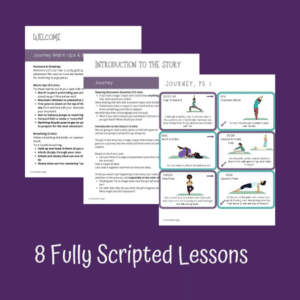
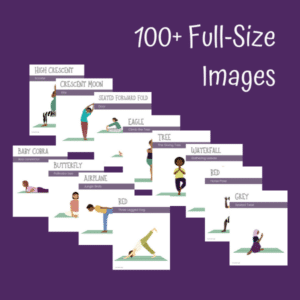
Also, check out our kids yoga lesson plan bundle. Each lesson plan comes with a set of printable themed yoga poses, and a fully scripted lesson plan for teaching kids yoga classes of any age.

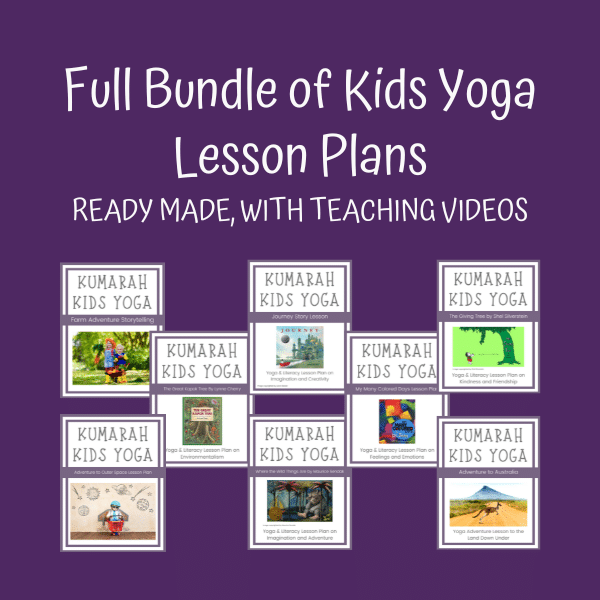


Full Bundle of Kids Yoga Lesson Plans
Get access to 9 fully scripted lesson plans. All include full size pose images, warm ups, guided meditation, games, and a video of Maia teaching the poses!