As a teacher, you wear a lot of hats. Beyond academics, you’re helping students navigate big feelings, build friendships, and learn how to be good humans. Social and emotional learning (SEL) plays a critical role in supporting students’ development and overall well-being.
We want our students to learn content, but we also want them to learn to be good humans. That’s where social and emotional learning (SEL) comes in, and thankfully, you don’t need a complicated new curriculum to make it happen. SEL is a key part of whole child development, supporting not just academics but also emotional and social growth.
You can weave powerful SEL activities into your day using simple yoga and mindfulness for students. These aren’t about perfect poses or total silence; they’re “brain breaks” that give students real tools for focus, calm, connection, and can also support students’ mental health. Let’s explore how to bring these practices into your classroom.
What is Social-Emotional Learning (SEL)?
Social and Emotional Learning is just a way of describing the skills students need to thrive in school and in life. The Collaborative for Academic, Social, and Emotional Learning (CASEL) breaks it down into five key areas, known as the CASEL competencies: Self-Awareness, Self-Management, Social Awareness, Relationship Skills, and Responsible Decision-Making. These are considered the core components of effective social emotional learning curriculum.
Think of them as the “how-to” guide for growing up:
- Self-Awareness: Knowing your feelings, strengths, and challenges.
- Self-Management: Handling your emotions and actions.
- Social Awareness: Understanding and empathizing with others.
- Relationship Skills: Building and maintaining healthy relationships with people from diverse backgrounds, including effective communication, conflict resolution, and knowing when to seek help.
- Responsible Decision-Making: Making good choices.
These competencies are also referred to as social and emotional competencies (SEL) and are essential for positive development. SEL plays a critical role in educational settings, supporting student development, resilience, and overall well-being.
Evidence based programs and evidence based SEL programs are designed to teach these social and emotional skills. Research shows that SEL consistently has positive effects on students’ academic performance, behavior, and ability to manage stress, across diverse demographic groups.
SEL also promotes educational equity by supporting students from diverse backgrounds and helping ensure all children have equal opportunities for positive development and academic success.
When students build these skills, we see better behavior, improved focus, and a more positive classroom for everyone. SEL supports positive development in students.
How Classroom Yoga and Mindfulness Support SEL
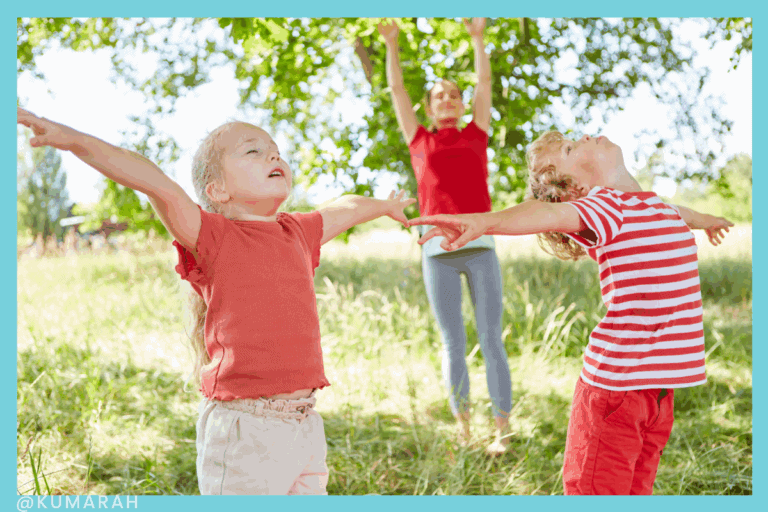
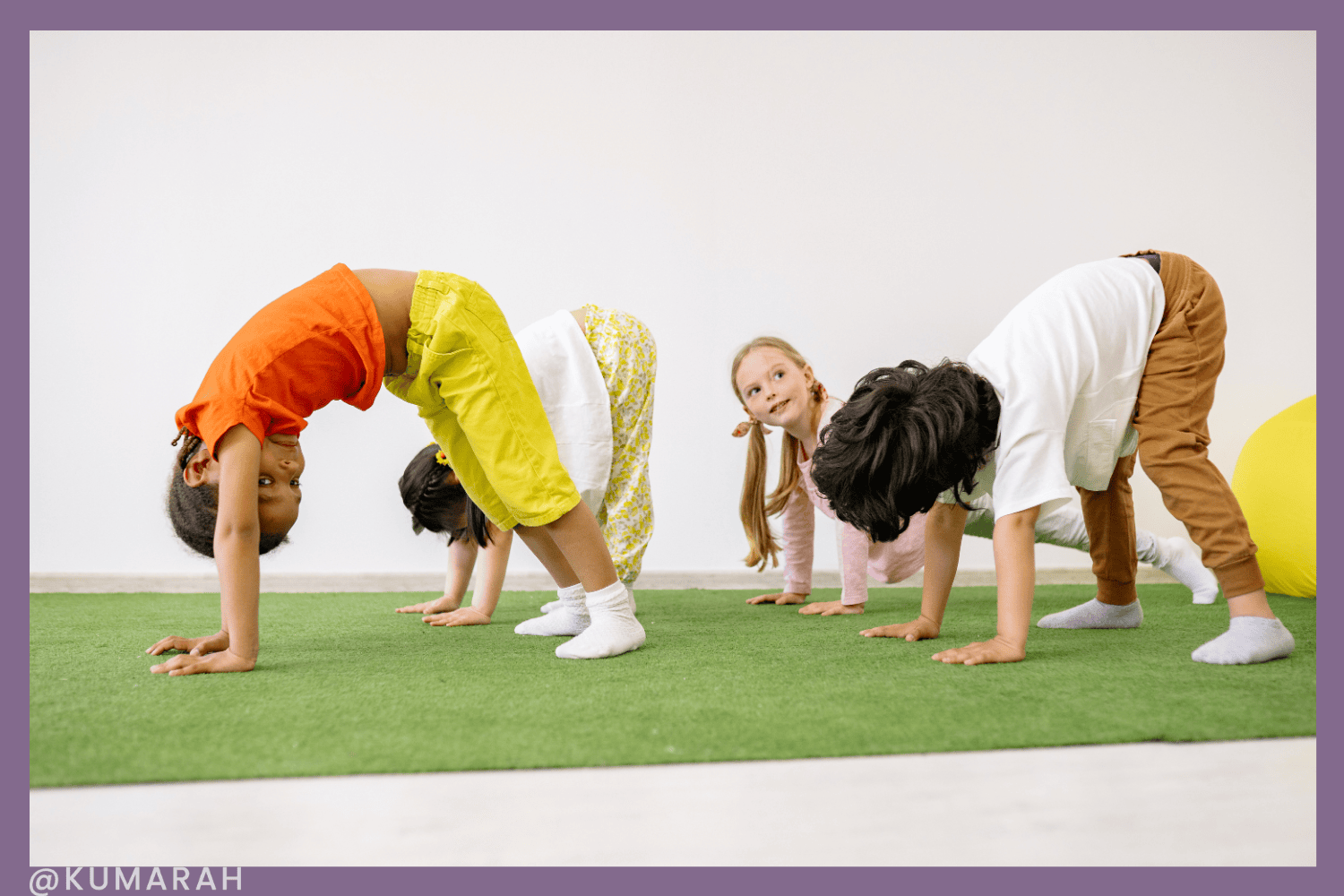
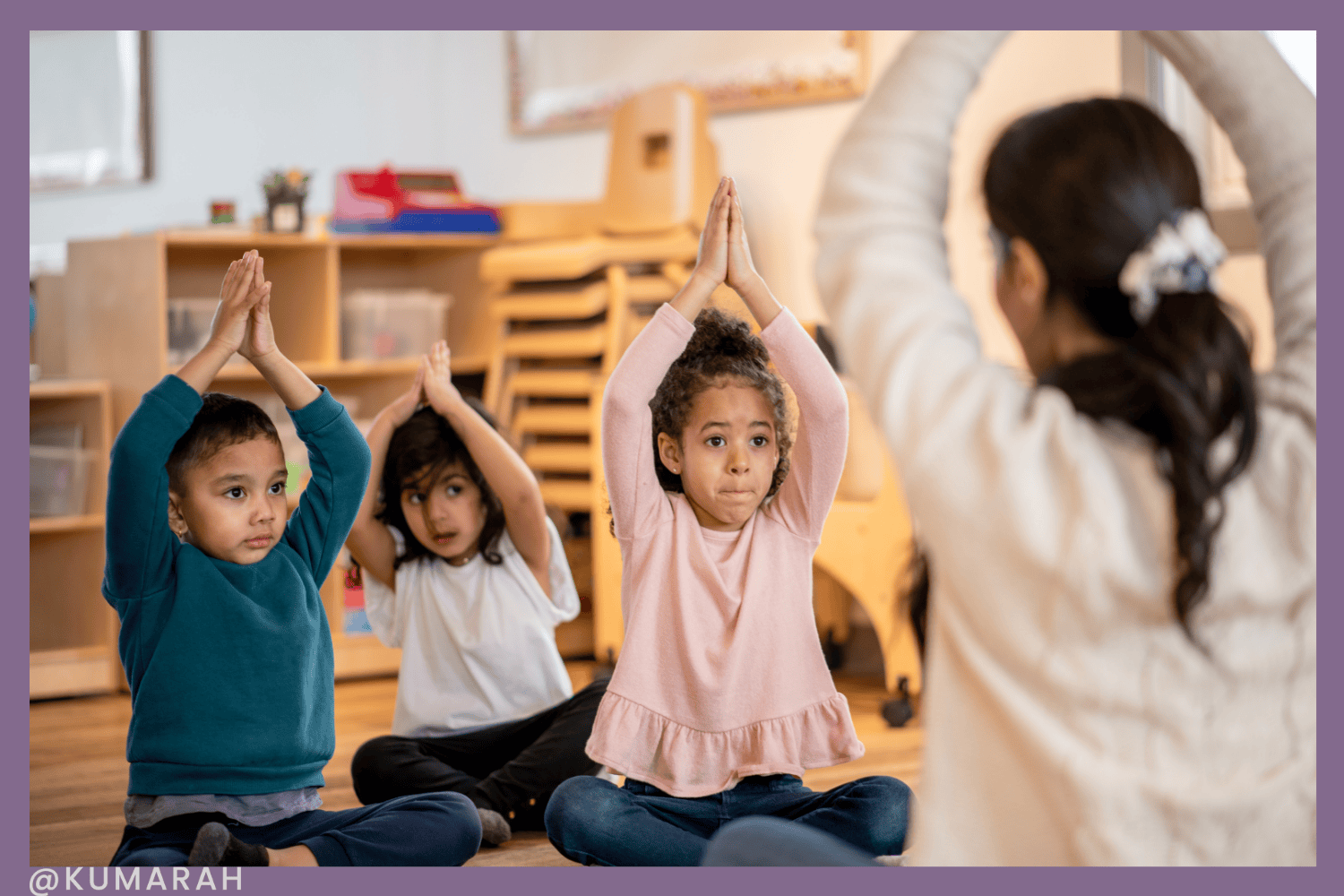
Yoga in schools isn’t about becoming a pretzel. It’s about using movement and breath to help kids connect with their bodies.
Yoga and mindfulness are teaching practices that promote SEL skills by helping students develop self-awareness, self-management, and other core competencies. These practices help students develop communication skills, collaborative problem solving, and relationship building through group activities and discussions. Mindfulness for students is simply the practice of paying attention to the present moment without judgment.
Together, they directly support the five SEL competencies.
- For Self-Awareness: A student doing a simple stretch notices, “My shoulders feel tight.” That’s being aware of yourself and your body. Learning to stay in one space while doing poses is another example of body awareness.
- For Self-Management: When a student uses slow, deep breaths to calm down before a test, they are practicing self-regulation and building awareness of how their mind and body are connected to their emotions and actions (or reactions).
- For Social Awareness: Partner poses, leading sequences and learning poses from others require students to watch each other’s nonverbal cues and work together. Mindfulness also teaches awareness and recognition of others.
- For Relationship Skills: Collaborating on a group yoga sequence builds communication skills, collaborative problem solving, cooperation, and interpersonal skills. Mindfulness of our own words and actions helps kids learn how their choices may help, or harm others.
- For Responsible Decision-Making: Mindfulness creates a pause between a feeling and a reaction, giving students a chance to learn to choose their response and practice problem solving when feelings and emotions get too large.
Effective SEL techniques in the classroom include relationship building strategies, emotional regulation techniques, positive reinforcement, collaborative problem-solving, and active listening skills. Teachers can implement SEL by integrating explicit instruction on social-emotional competencies into daily lessons and reinforcing these skills during real-time situations to help students solve problems.
Integrating these practices can contribute to a more supportive school environment.
Simple SEL Activities Using Mindfulness for Students
The best part about classroom yoga is that it’s easy to adapt for any age and serves as an example of how to integrate SEL and incorporate SEL into classroom routines and the school curriculum. By doing so, you provide students with essential skills for a supportive learning environment.
The classroom is one of the key settings for implementing these programs, as it is where the learning process takes place. Explicit SEL instruction is a key part of this process and supports positive outcomes for students.
Here are a few mini-lessons you can try—these programs are designed to be flexible across different grade levels. Students who participated in SEL programs saw an 11 percentile increase in overall grades and better attendance, demonstrating the academic benefits of integrating SEL into educational settings.
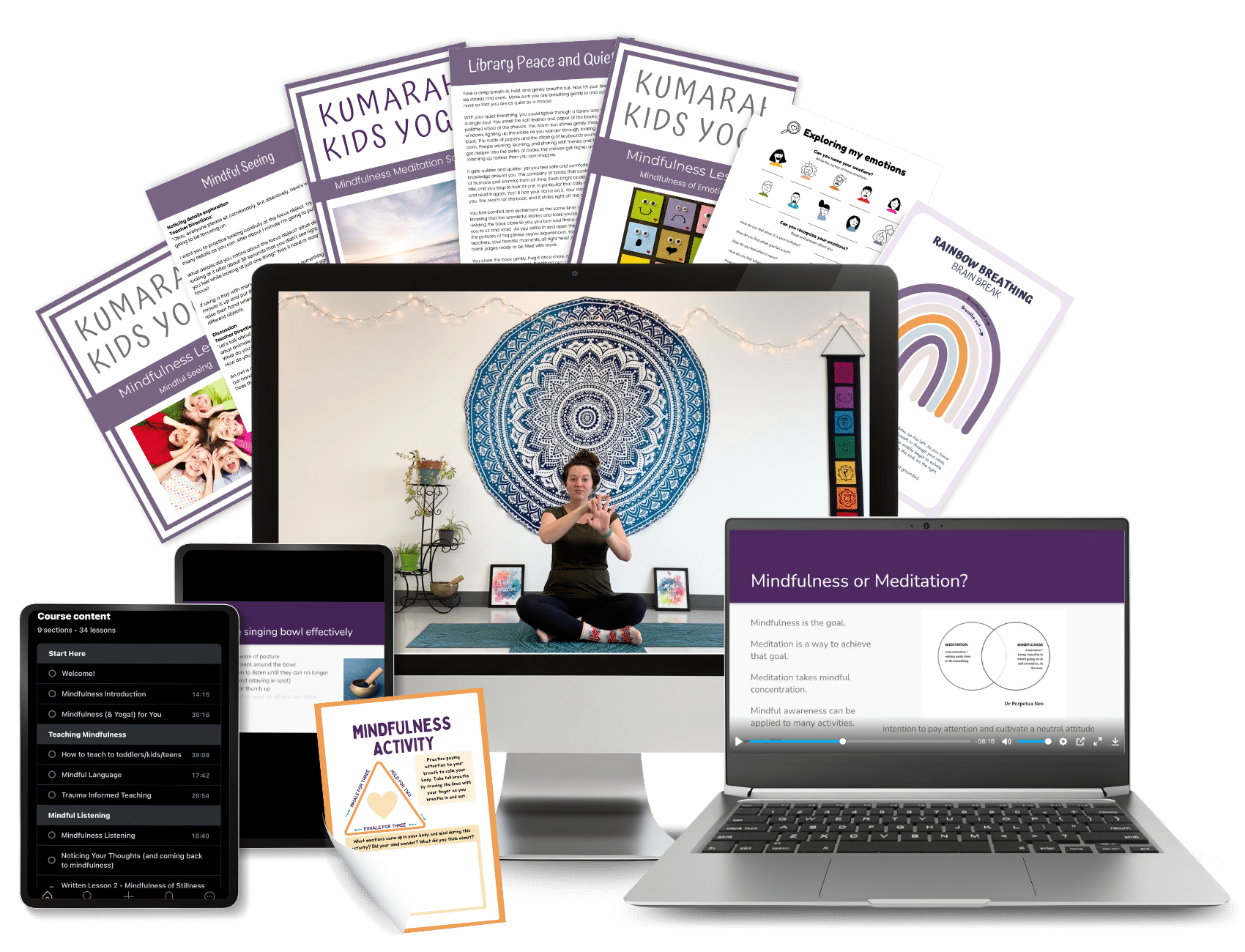
Effective SEL approaches often incorporate the SAFE elements: Sequenced, Active, Focused, and Explicit, which are essential for achieving SEL goals. For a full curriculum of a mindfulness based SEL program take a look at our Mindfulness Tools for Kids and Classes with 10 full sized lessons to get you started right away!
SEL Activities for Preschool (Ages 3-5)
These activities are designed for preschool children to support child development through playful, short exercises that foster positive relationships and social interactions, helping children learn about social norms.
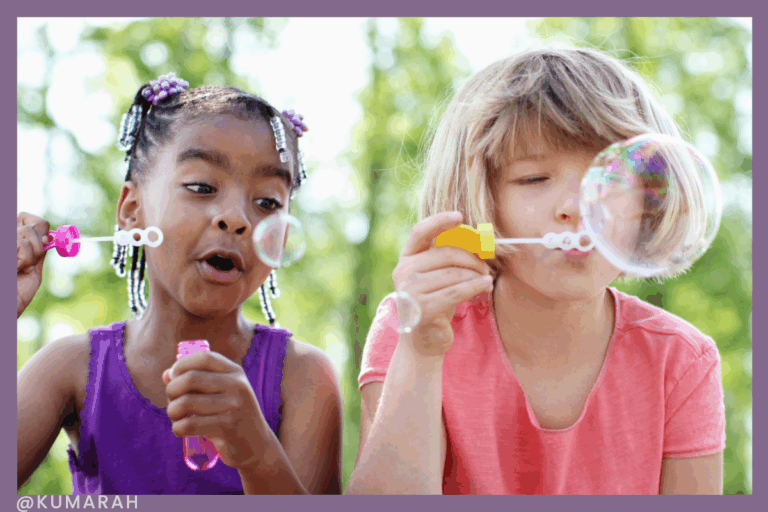
- Belly Breathing Buddies: Have kids lie down and place a stuffed animal on their belly. Invite them to take slow breaths to give their “buddy” a gentle ride up and down. This is a tangible way to teach calming breath and helps preschool children develop new skills in self-regulation.
- Animal Yoga Feelings: Connect poses to emotions. Ask, “What animal feels brave?” and then do a silent Lion’s Breath. Ask, “What animal feels sleepy?” and curl up in a small Child’s Pose. These activities foster essential life skills such as emotional awareness and self-control.
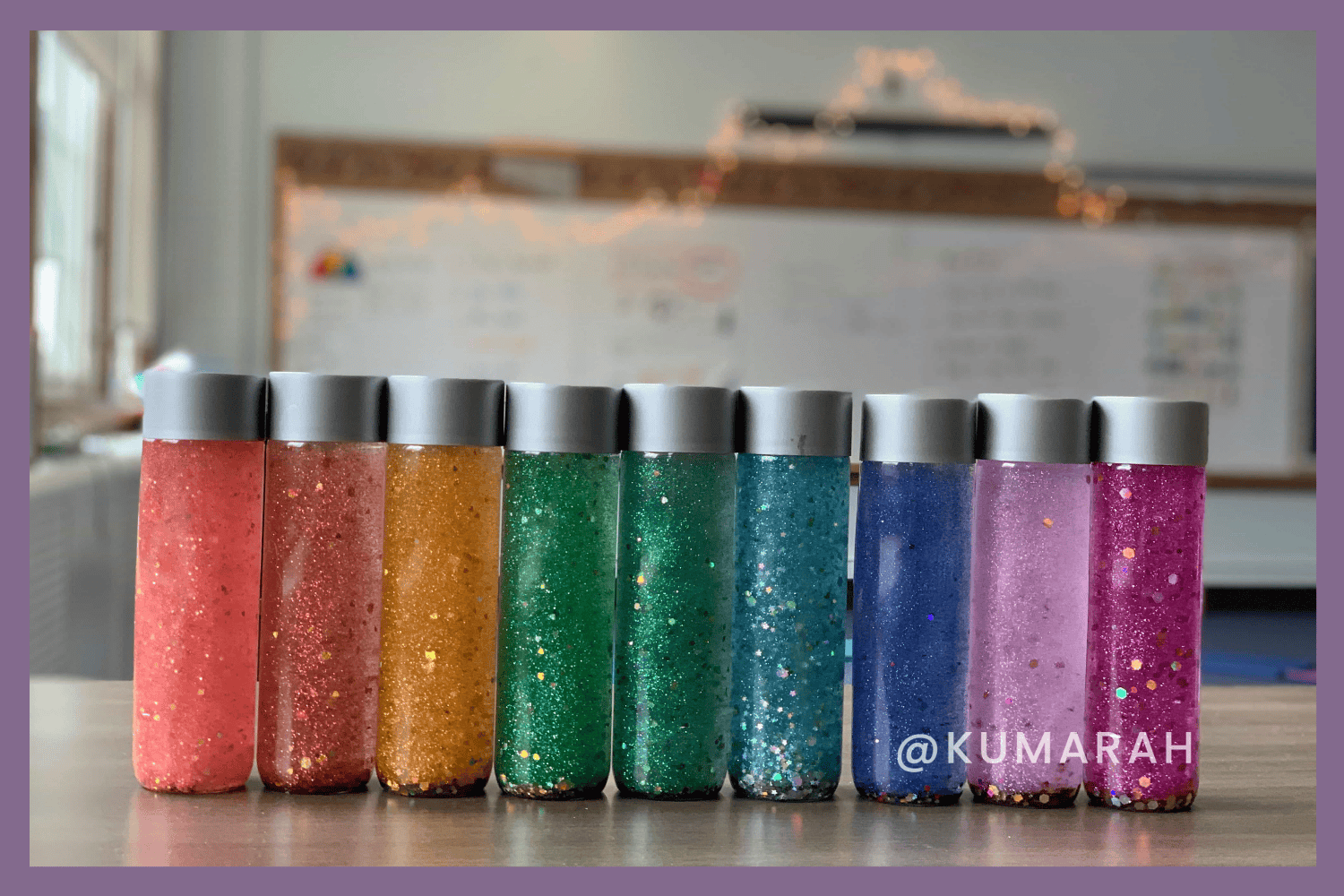
- The Mindful Glitter Jar: Shake a jar of water and glitter. Explain that our minds can feel busy like the swirling glitter. Then, watch together as the glitter settles. It’s a perfect visual for how our minds can calm down with a quiet moment.
Building positive relationships in the classroom enhances students’ capacity for empathy and collaboration, which in turn boosts their engagement and motivation to learn.
Incorporating evidence-based SEL programs like Positive Action can further enhance these outcomes by providing a comprehensive structure for building life skills and supporting whole child development in preschool children.
SEL Activities for Elementary (Ages 6-10)
These activities are suitable for elementary school students across different grade levels. Elementary students can begin to understand the “why” behind these practices and benefit from activities that help students learn to consider different perspectives and make responsible decisions, while developing social skills and emotional learning skills.
- The 5-4-3-2-1 Senses Reset: This is a grounding technique to bring focus back to the room. Guide students to silently name: 5 things they can see, 4 things they can feel, 3 things they can hear, 2 things they can smell, and 1 thing they can taste.
- Sun Salutation with Feelings: Teach a simple flow like reaching up (Mountain Pose) and folding forward. Add emotional cues: “As you reach up, think of one thing you’re grateful for. As you fold forward, let a worry go.”
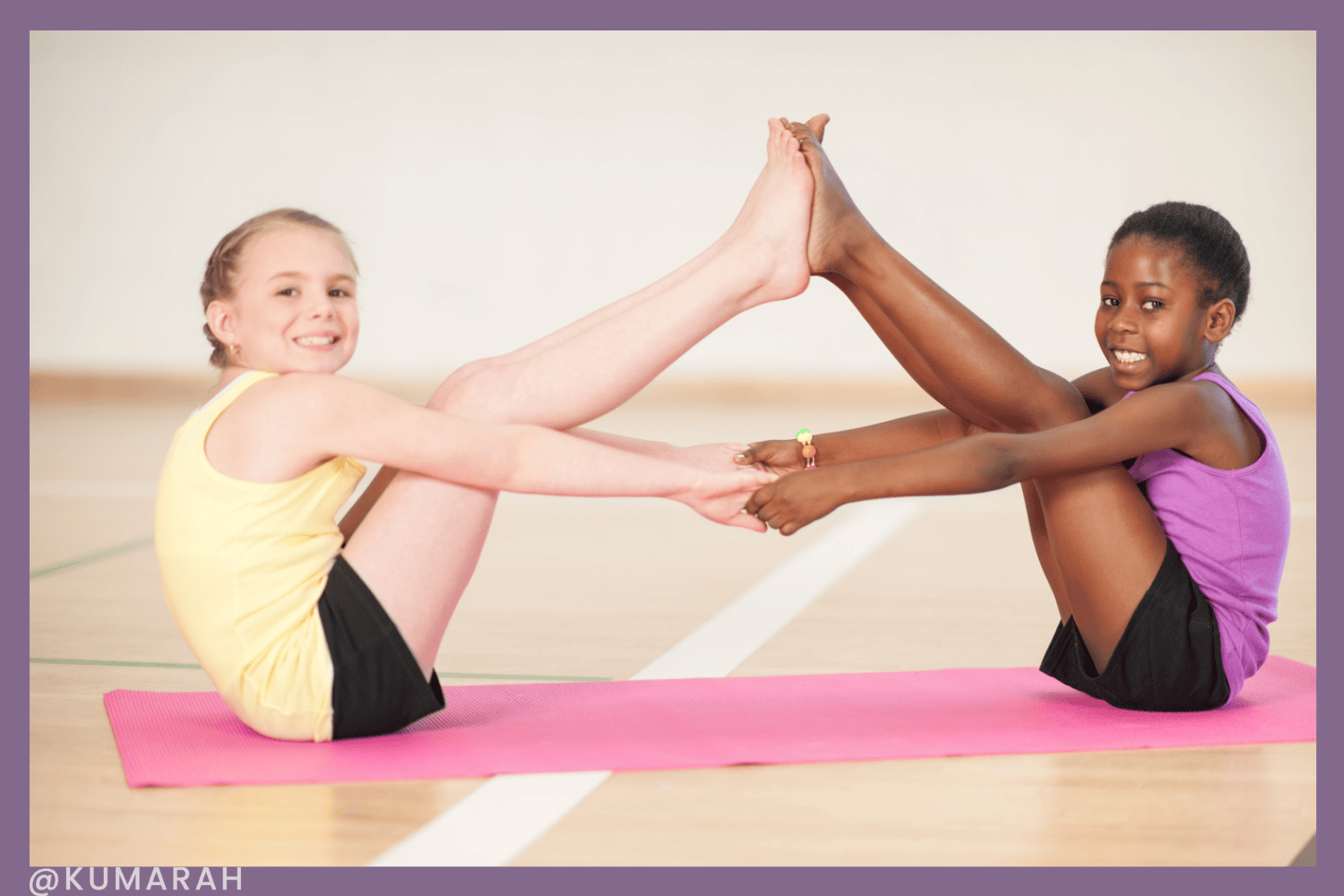
- Partner Mirror Poses: Students pair up, with one as the Leader and one as the Mirror. The Leader makes slow movements while the Mirror copies them exactly. It’s a fun, nonverbal way to practice focus, social awareness, and social skills.
Practicing these activities in elementary school can support the development of emotional learning skills and contribute to improved student outcomes.
SEL Activities for Middle School (Ages 11-14)
For middle schoolers, these activities are part of efforts to implement SEL programs for this grade level, focusing on giving them autonomy and tools they see as relevant.
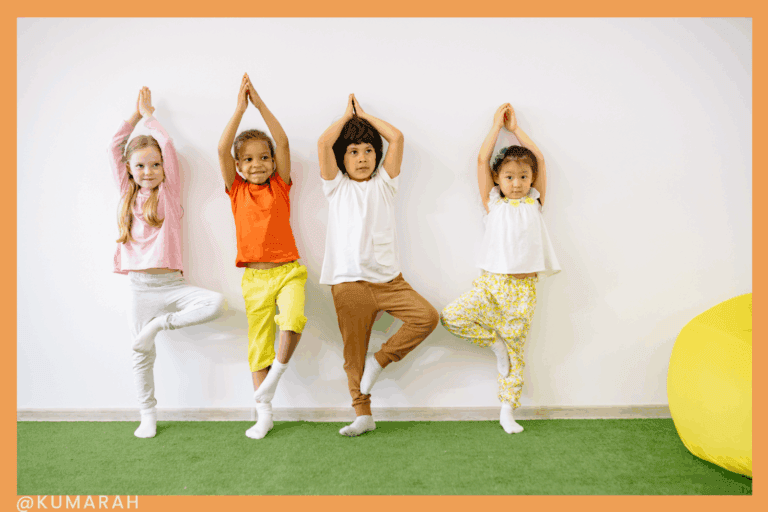
- Box Breathing + Peak Pose: Teach them box breathing (inhale-4, hold-4, exhale-4, hold-4). Then, have them use that breath to stay steady during a challenging pose like Tree Pose. It connects breath control to managing challenges and helps students develop problem solving and students social and emotional skills.
- Thought Labeling: Invite students to notice their thoughts for one minute. Introduce the idea of labeling them (“planning,” “worrying,” “judging”). This teaches them that they are separate from their thoughts and don’t have to act on every one, supporting students social and emotional growth and problem solving abilities.
- Group Challenge Sequence: In small groups, students create a short yoga flow. This builds relationship skills as they must communicate, compromise, and make sure everyone can participate. These activities help students learn to resolve conflicts through active listening, teamwork, and collaborative problem-solving, while also teaching them when to seek help from a trusted adult or social worker if needed. This approach fosters empathy, mutual respect, and social awareness, enhancing students’ social and emotional competencies.
Tips for Bringing Yoga in Schools: A Trauma-Informed Approach
Making this work is easier than you think. You don’t need extra time or a big space. Effective SEL implementation means incorporating SEL into daily routines and actively preparing students for both academic and life success.
Support for implementation and recognizing available supports for teachers, such as resources and collaboration, are essential when integrating SEL activities into your classroom.
Evidence-based SEL programs are grounded in research and principles of child and adolescent development, and have been scientifically evaluated to produce positive student outcomes. In fact, a meta-analysis of 213 rigorous studies found that students who received high-quality, evidence-based SEL programming demonstrated significant improvements in academic performance and behavior.
- Use Invitational Language: This is a key part of trauma-informed teaching. Always offer choice. Say, “I invite you to try this,” or “An option is to sit and breathe.”
- Make it Accessible: All these activities can be done from a chair or during circle time. Chair yoga is a powerful tool! Let students know they are in charge of their bodies.
- Weave it into Your Routine: Don’t add—integrate. Use a mindful minute to start the day or a two-minute movement reset to transition between subjects. Incorporate SEL skills by embedding these practices into everyday classroom moments.
- Use Visuals: Post breathing techniques or yoga pose cards in a “calm corner” so students can use them independently.
- Be Culturally Sensitive: Acknowledge that these practices have deep roots. In the classroom, we can frame them in a secular way, focusing on well-being and brain science.
Teacher Mindfulness: How to Measure SEL Impact
You don’t need complicated data to see the impact. Teacher mindfulness and observation are your best tools. Measuring student outcomes and positive impact is essential for evaluating the effectiveness of SEL programs, as it helps demonstrate improvements in social and emotional skills, attitudes, behavior, academic achievement, and reductions in emotional distress. National universities and school districts play a significant role in supporting SEL initiatives, assessing organizational readiness, and shaping educational standards. The importance of mental health as part of child development and educational initiatives cannot be overstated.
- Observation Checklists: Are students starting to use the calm corner on their own? Do you see them taking a deep breath after a frustrating moment? Evidence based interventions are more likely to show broad dissemination and reductions in emotional distress, making these observations especially meaningful.
- Student Self-Reports: Use a quick “fist-to-five” scale to check in on feelings. An exit ticket could ask, “What tool did you use to help you focus today?” Evidence based interventions often demonstrate a positive impact on student outcomes, including emotional well-being.
- Connect to School Goals: Notice if these practices correlate with improvements in your school’s behavior data (like MTSS) or climate goals. Broad dissemination of evidence based interventions can help schools achieve positive impact across a range of student outcomes, including academic achievement and reduced emotional distress.
Free Classroom Yoga & Mindfulness Resources
The Mindful Minute
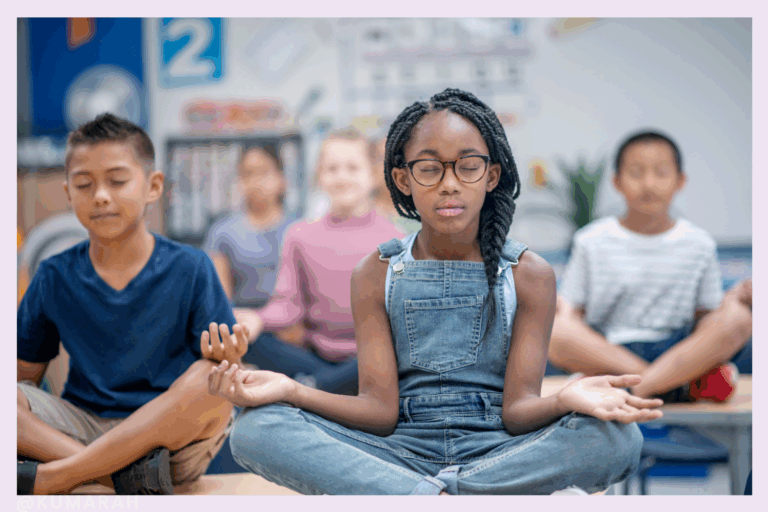
Start or reset your class with this quick activity. Ring a singing bowl, ask students to place a hand on their belly or heart, and guide them through three slow, quiet breaths together. It’s a simple but powerful way to foster calm and focus.
The Movement Reset
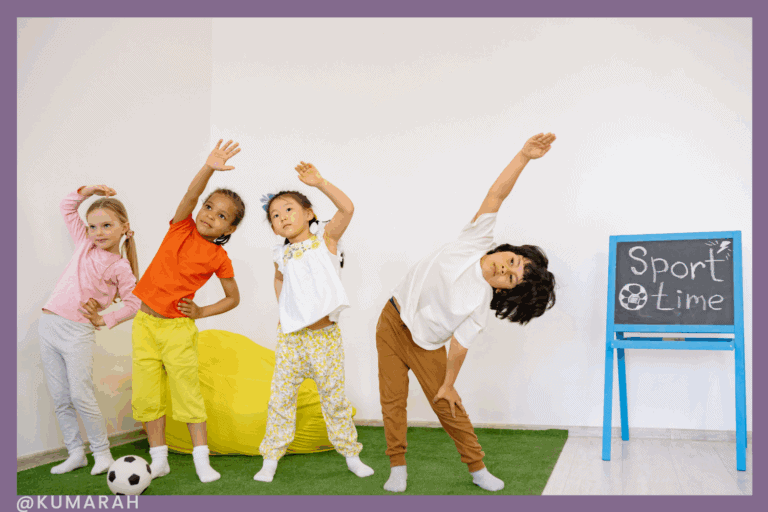
Break up long lessons with this energizing activity. Invite students to stand for two minutes. Lead them through stretches like a gentle side bend, a forward fold, and a shoulder roll. End with a deep breath before sitting back down, refreshed and ready to learn.
Use these pose cards to make it fun by choosing from the deck at random!
The Desk Stretch
For a seated mindfulness break, have students sit tall in their chairs and guide them through movements like shoulder shrugs, seated twists, and neck stretches. Pair each movement with slow, controlled breaths for added relaxation.
Gratitude Journaling
Introduce a short mindfulness writing practice. Ask students to jot down three things they are grateful for, big or small. This promotes reflection and positivity, which are key for emotional well-being.
Use the free gratitude journal in this post to get you started!
Breathing Buddies
Hand out a small stuffed animal or beanbag to each student. Ask them to lie down and place it on their belly. Encourage them to watch the buddy rise and fall as they take slow, deep breaths. This helps develop mindfulness and body awareness.
By adding these simple practices into your routine, you give students practical tools to manage emotions, improve focus, and build emotional resilience—all while fostering a calm, positive classroom environment for everyone, including yourself.
Building a Strong SEL Program
A well-rounded SEL program empowers students to develop social-emotional skills that last a lifetime. Transformative SEL addresses social norms and promotes educational equity by integrating SEL into school districts, preparing students for civic engagement, and fostering inclusive classrooms.
The most effective programs include mindfulness practices, movement activities, and opportunities to reflect on emotions and relationships. Emotional regulation is a key component, helping students manage stress, build resilience, and support overall well-being. These programs also align with frameworks like CASEL to ensure coverage of core competencies, such as awareness, management, learning to make decisions, social skills, and building relationships.
Many SEL programs include multi-year learning options, building skills over time for sustained growth. Federal policies and school districts often support these initiatives, making them easier to implement effectively and sustainably. National universities play a significant role in advancing SEL research, curriculum development, and outreach, shaping educational standards and policy at a national level.
Be sure to educate yourself and parents on what these practices can do for your classroom and your students. It’s well worth the time you take to help your kiddos grow into emotionally secure and well-rounded humans!
Check out our Mindfulness Tools for Kids and Classes curriculum to get started with a mindfulness based SEL curriculum today! With 10 ready made lessons and dozens of short and long videos to educate you on how to teach mindfulness you’ll be getting started in no time.