Are You Ready to Teach Yoga for Preschoolers?
Do you teach preschool or prek and need more ways to add gross motor skills to your classroom? Are you passionate about yoga and enjoy working with young children?
Try some kids yoga for your little ones! Yoga offers benefits not only for adults but also for youngsters, enhancing their physical health, concentration, and emotional well-being.
Before diving into teaching yoga to preschoolers, here are some helpful tips and ideas to kick-start your journey.
Introduction to Kids Yoga
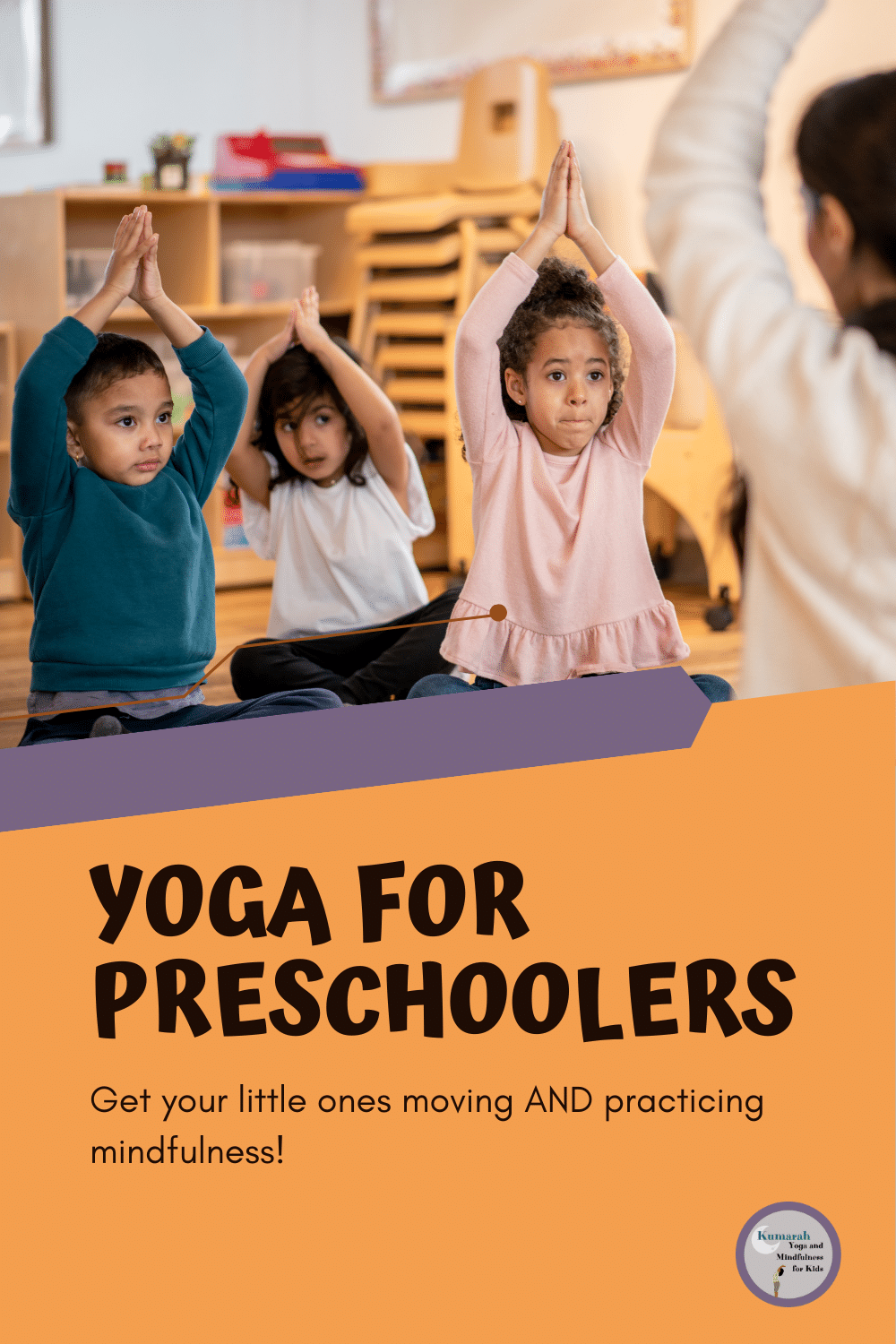
Introducing yoga to preschool is a wonderful way to nurture their growing bodies and minds. Kids yoga is all about making movement fun, engaging, and accessible.
Through playful yoga poses and imaginative breathing exercises, children can develop important gross motor skills, improve their balance, and build body awareness—all while having a great time.
Teaching yoga to kids is different from teaching adults; it’s about tapping into their natural curiosity and love for play. By weaving in stories, games, and creative movement, you can help kids channel their energy in a positive direction, supporting their self-regulation and emotional well-being.
Kids love exploring new poses and using their imagination, making yoga a fantastic tool for fostering focused mindfulness and lifelong healthy habits.
Understanding Preschoolers
Preschoolers are energetic, curious, and imaginative beings who love to explore the world around them.
These younger kids have shorter attention spans, so it’s important to keep activities short and interesting.
Preschool kids also learn best through play and hands-on experiences. Therefore, incorporating play and interactive elements into your preschool yoga classes is key.
Luckily, yoga for kids is ALL about play. So many of the yoga poses are naturally named after animals and things in nature so it’s easy to turn them into playful shapes and story time additions.
Add some yoga into your list of preschool activities at home with your kiddos!
Benefits of Teaching Yoga to Preschool Kids
Enhanced Focus and Concentration
Themed yoga and mindfulness encourages children to focus on their bodies and their breathing, leading to enhanced attention skills that can be transferred to the classroom or other environments that require concentration.
Promoting Creativity and Imagination
The imaginative play inherent in themed yoga nurtures innovation, problem-solving, and cognitive flexibility. It allows children to explore roles, behaviors, and emotions in a safe and constructive space.
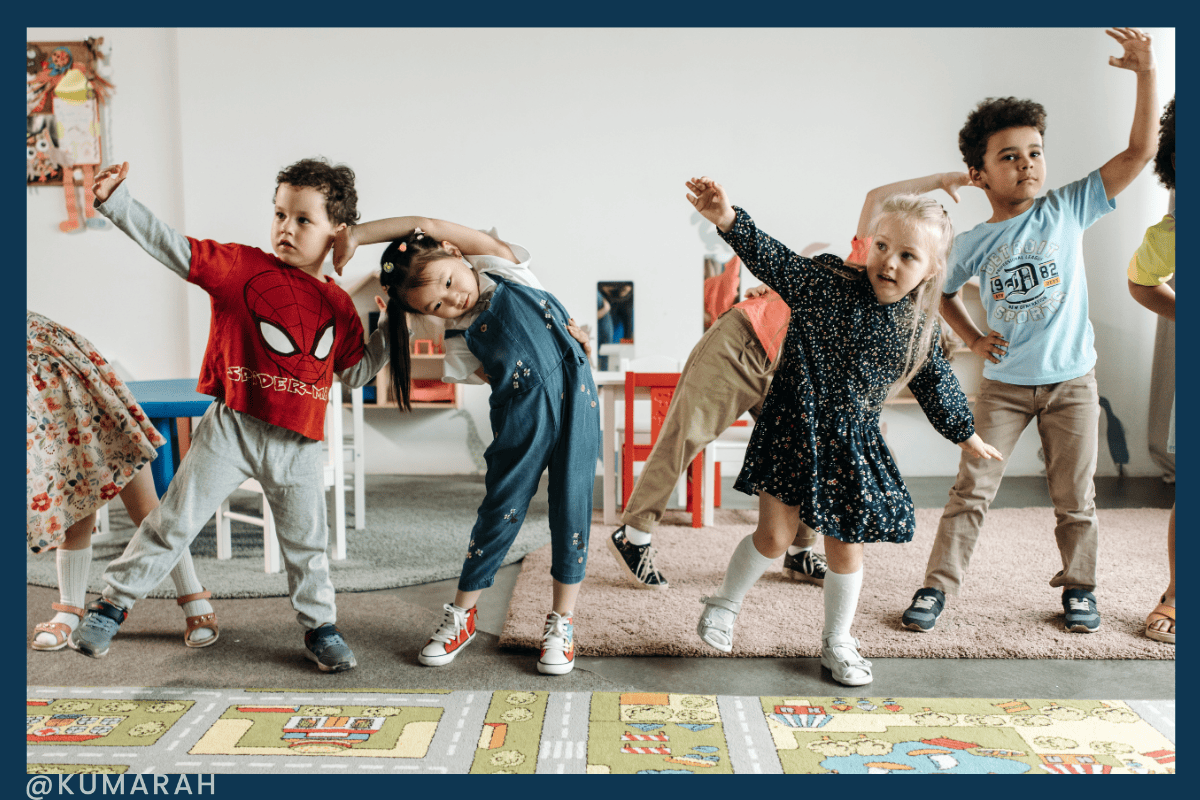
Setting Up a Safe and Inviting Space
Before you start teaching preschoolers, it’s important to create a safe and inviting space for them to practice in. Make sure the floor is clean, soft, and non-slippery.
Create a designated area with mats, exercises squares, or even rubber dots on the floor for each child to have their own space. Or, just spread out on the rug for circle time and start teaching them about personal space and boundaries!
Planning a Lesson
When planning a kids yoga lesson, it’s important to consider the age group and tailor your approach to their developmental stage.
For younger kids, keep lessons short, interactive, and packed with fun and easy ideas—think animal-themed yoga poses, playful breathing exercises, and simple mindfulness activities.
Start your lesson plan with a gentle warm-up to get bodies moving, then introduce a series of engaging yoga poses using yoga cards or props to spark curiosity.
Incorporate group games and relaxation techniques to help kids wind down and practice self-regulation. Props like puppets, scarves, or yoga cards can make each activity more exciting and accessible.
Don’t forget to weave in breathing exercises, such as lion’s breath, to help them connect with their breath and emotions. By bringing yoga into the classroom or home, parents and teachers can create a positive, supportive environment where kids feel empowered to explore movement, mindfulness, and relaxation together.
Creating a Routine
Establishing a consistent routine is key to making preschool yoga a joyful and anticipated part of the day. Kids thrive on structure, and a familiar sequence helps them feel secure and ready to participate.
Start your yoga time with a cheerful greeting song to set a welcoming tone, then move into a series of yoga poses—like tree pose for balance or cat cow pose for gentle stretching.
Incorporate partner poses and group activities to encourage teamwork and social connection. Wonderful books and kids yoga stories, including favorites from cosmic kids yoga, can add a magical storytelling element that sparks imagination and keeps kids engaged.
Finish each session with a calming relaxation technique, such as deep breathing or guided imagery, to help children wind down and reflect. By following a routine, kids know what to expect and look forward to each yoga class, building a foundation for a lifelong yoga practice that parents and teachers can enjoy alongside them.
Engaging Activities for Preschool Yoga
Now that you have set up a safe and inviting space, it’s time to plan some playful and energizing activities for teaching preschool yoga. Making yoga fun is essential for preschoolers—incorporate playful elements like music, stories, and props to keep them engaged and excited to participate.
You can also make poses fun by using imaginative play, creative movement, and short dances, encouraging children to express themselves as they transition between poses.
Animal Yoga Poses
Preschoolers love animals, so incorporating animal poses into your yoga class is a great way to engage them. You can imitate different animals like cats, dogs, butterflies, and frogs. Check out our huge list of easy kids yoga poses here.
Storytelling
Preschoolers have vivid imaginations and love to hear stories. Combine storytelling with yoga poses to add more movement into your students’ day. You can tell a story about a jungle adventure or an underwater journey, incorporating corresponding yoga poses along the way.
Breathing Exercises
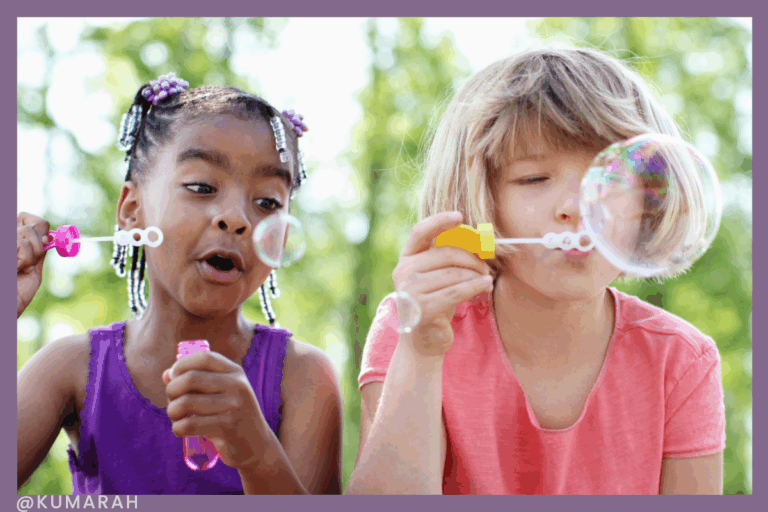
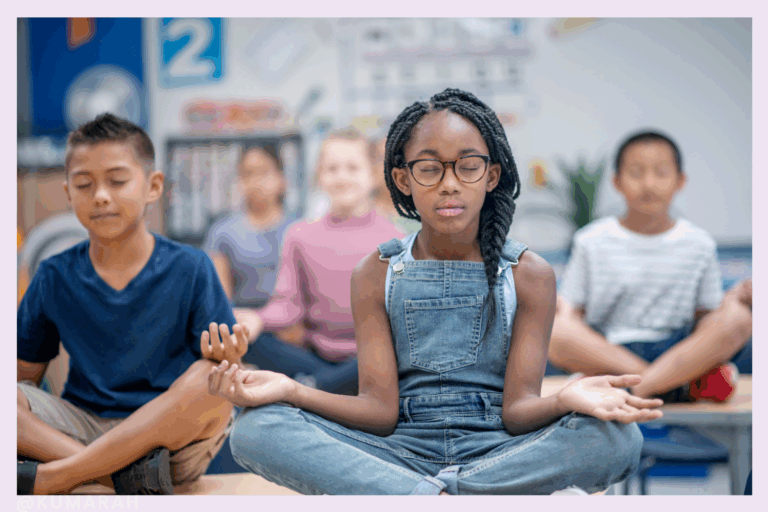
Teaching preschoolers breath work, such as taking deep breaths, is an important part of helping them relax and focus. You can make it fun by asking them to pretend to blow out candles or blow away feathers with their deep breaths.
Try these kids breathing exercises for some added mindfulness any time of day. Lion’s breath is another playful, animal-inspired breath work exercise that helps calm the mind and adds fun to the routine. Use props like pinwheels, a breathing ball or stuffed animals to help them focus and have fun.
Partnering Play
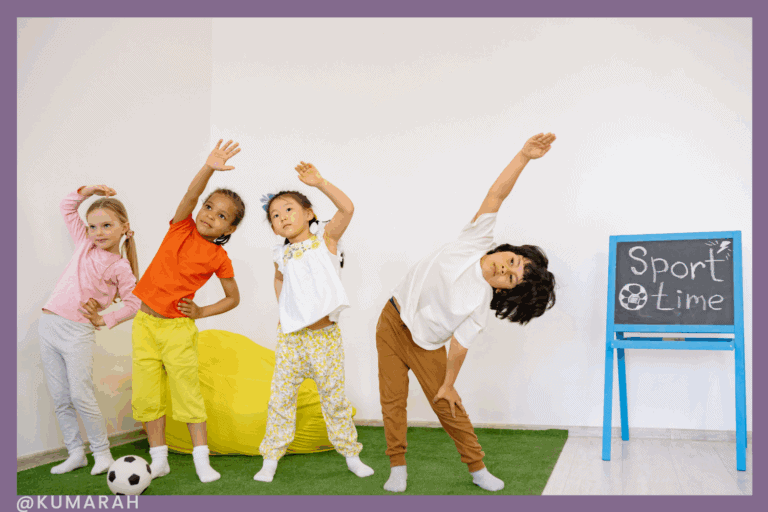
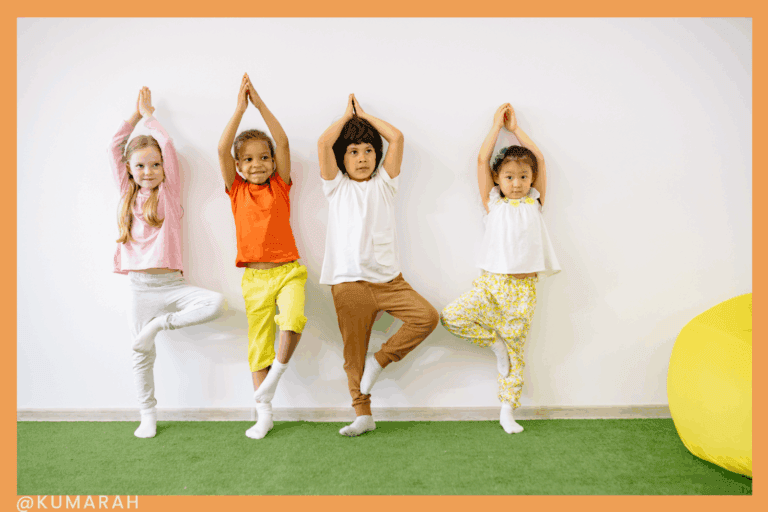
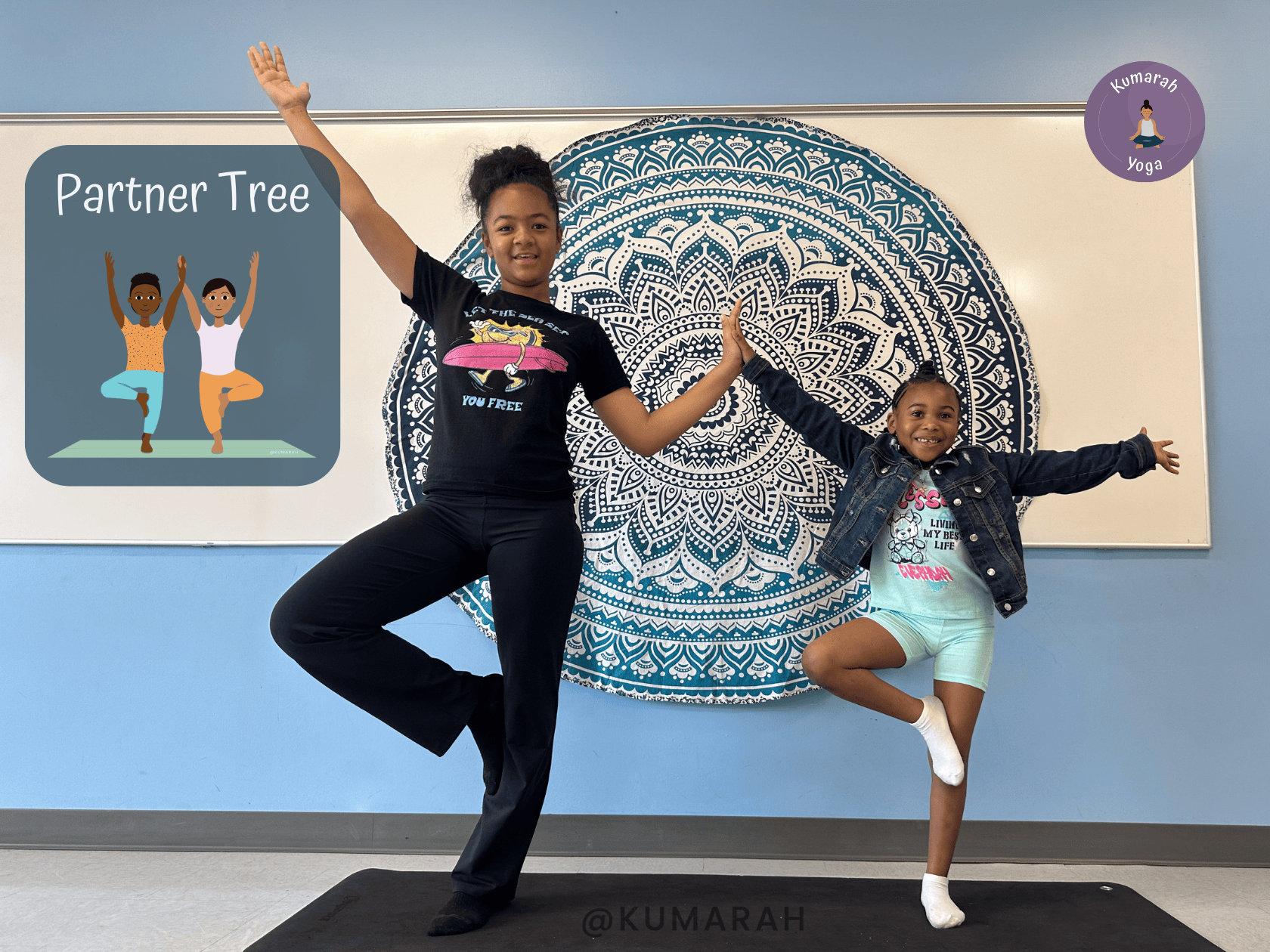
Preschooler kids love socializing and working together, so incorporating group poses into your class can be a great way to keep them engaged. Some examples include tree pose circle, partner poses, and group boat pose.
Music and Movement
Music is a great tool to make the class more fun and interactive for preschoolers. You can add some kid-friendly music in the background or even incorporate songs into your yoga routine. Encourage the children to sing along or move to the beat while doing their yoga.
Simple Crafts for Preschoolers
Doing arts and crafts can be very engaging for little kids imaginations and great practice for their small motor skills.
Try these easy paper flowers for preschoolers as a fun way to engage them in arts and crafts during or after your yoga sessions.
Yoga Games for Kids
Adding some games to your preschool yoga class is another great way to keep the children engaged. You can play “Yogi Says” (similar to Simon Says), and use yoga poses mixed in with other actions. Here are some more easy yoga games for kids.
Incorporate Kids Yoga into Academics
Can you come up with a yoga pose for each letter of the alphabet? Or roll a dice and match it to a yoga pose?
Incorporating yoga into school activities or collaborating with teachers can reinforce classroom concepts and enhance learning, making yoga a valuable addition to the school curriculum.
Try Yoga Memory using two sets of yoga cards for kids! Read a book with yoga poses in the story for more literacy practice.
These ABC yoga poses are great for literacy and learning letter sounds and new animals.
Build in some time for get-to-know you activities and use these all-about-me preschool worksheets.
Here are some other excellent preschool activities for at home.
10+ Simple and Fun Yoga Poses for Preschoolers and Toddlers
Here are ten yoga poses that are perfect for preschoolers and toddlers. These are easy to do, playful, and provide numerous physical and mental benefits for children.
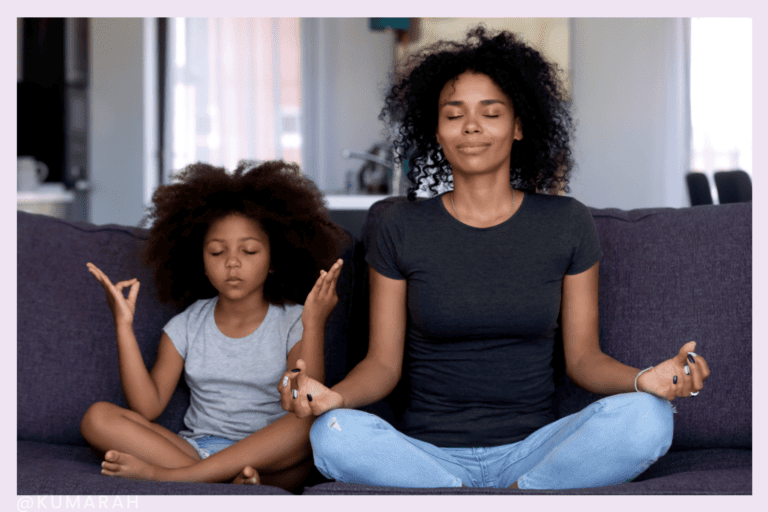
Encourage grown ups, such as parents or caregivers, to join in the yoga poses with children—your participation supports and models engagement, making the experience more enjoyable for everyone. The guidance of a preschool teacher is also important, as their expertise ensures that yoga activities are age-appropriate, engaging, and tailored to the needs of young children.
The most important part of teaching yoga to preschool kids is that YOU should be doing the poses too. Preschool kids love to copy and learn best by watching others. So if you are doing it all and having fun and playing, they will join in too.
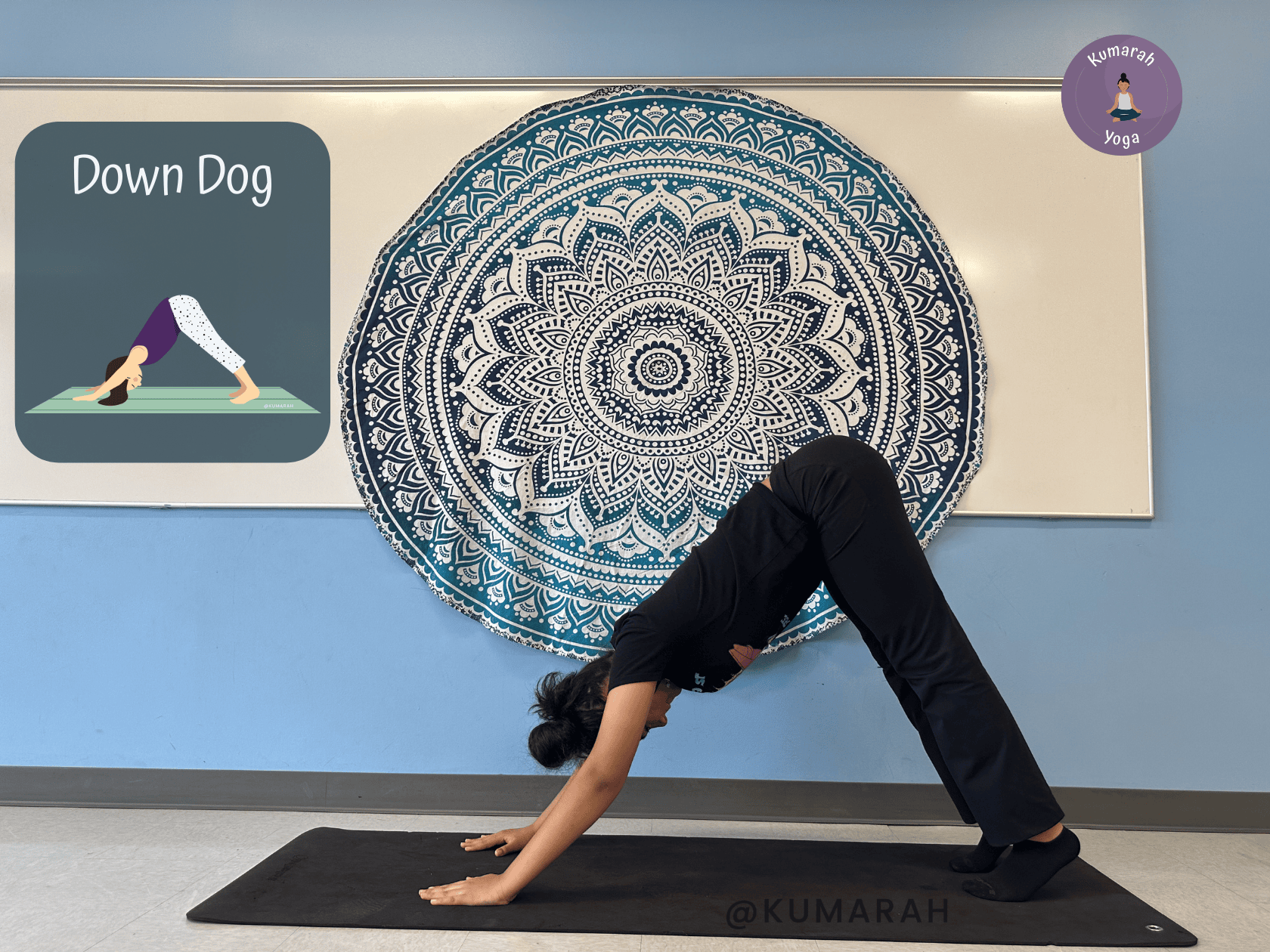
Downward Facing Dog
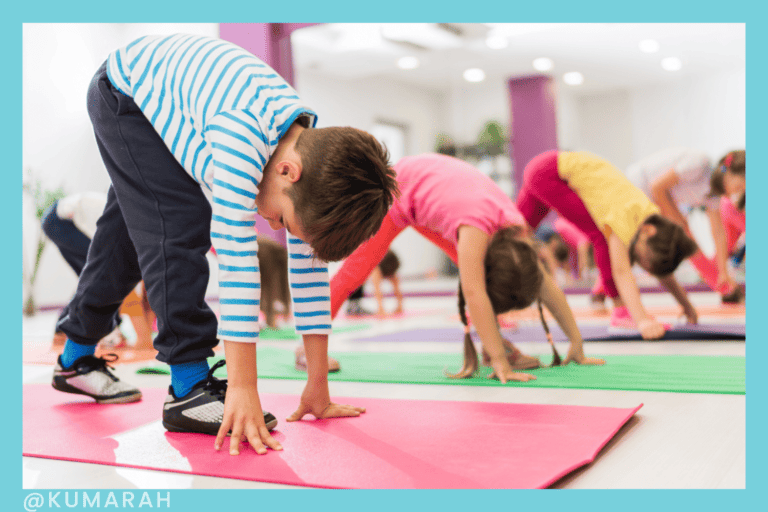
Start on your hands and knees, then lift your hips up to create an inverted “V” shape with your body. Wiggle your tail like a puppy!
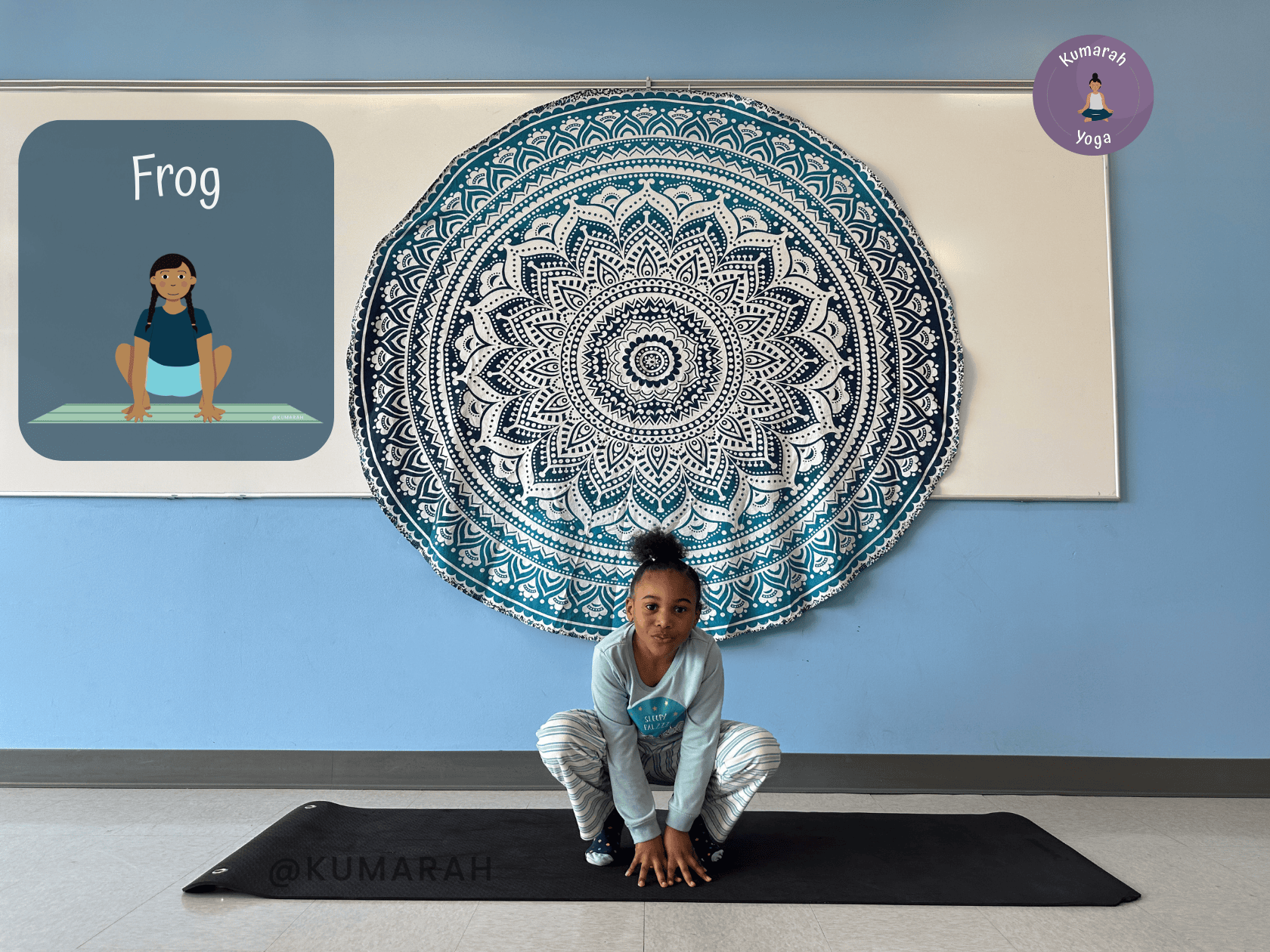
Frog Pose:
Begin in a squatting position with your feet shoulder-width apart. Place your hands on the ground and hop around like a frog while making ribbit noises
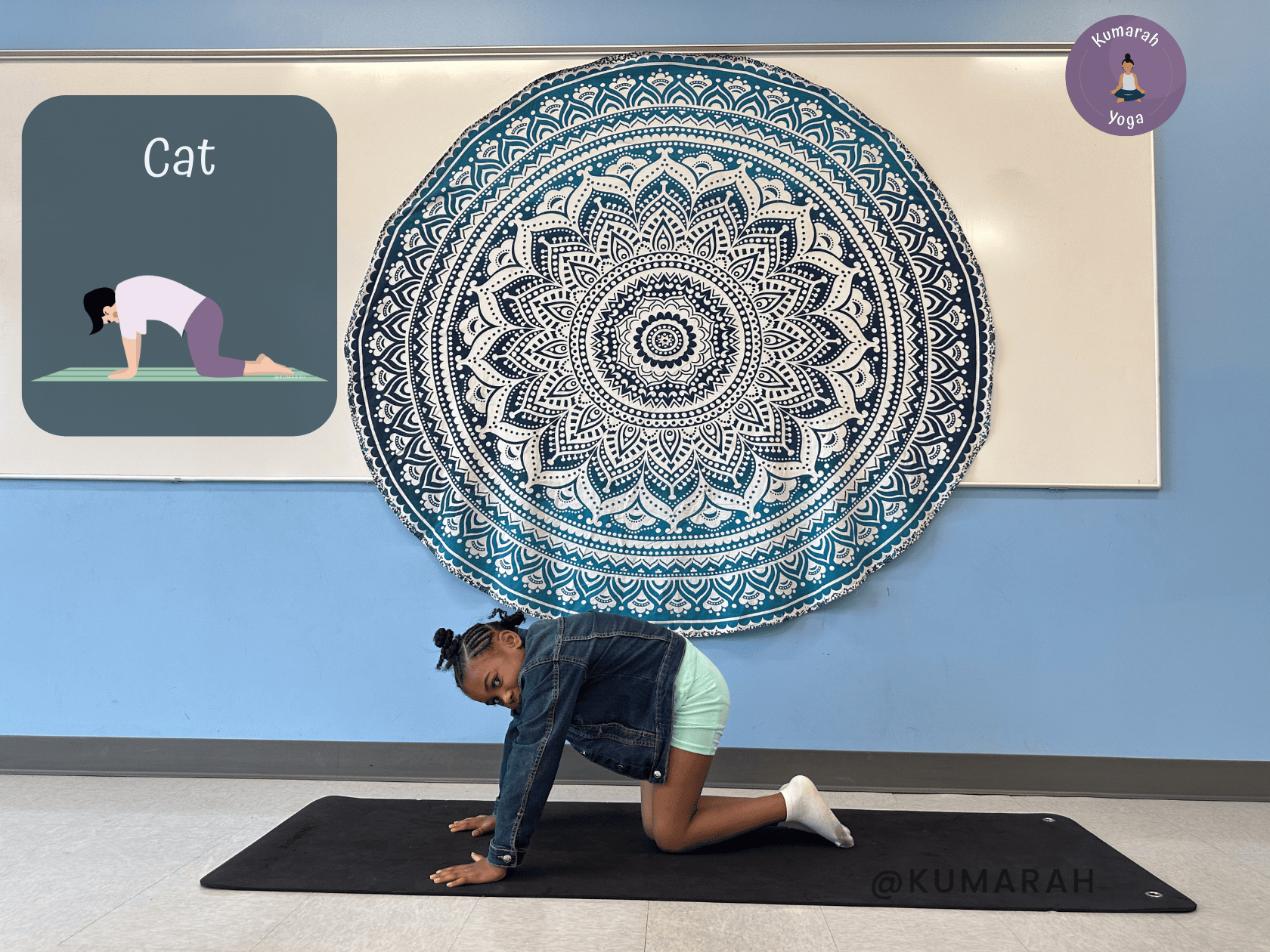
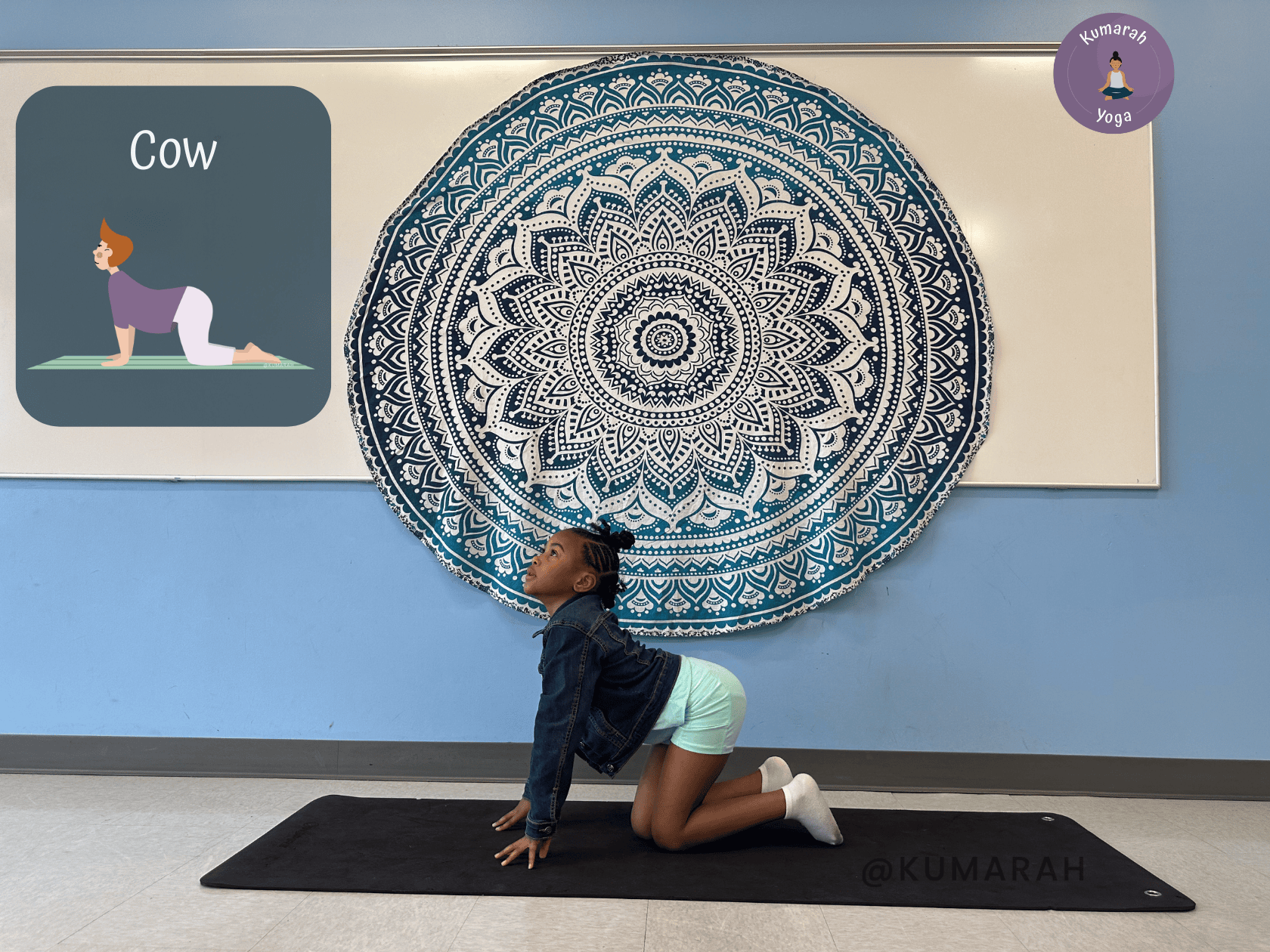
Cat-Cow Pose
Get on your hands and knees, arch your back like a cat, then drop it down like a cow. Don’t forget to “meow” and “moo”!
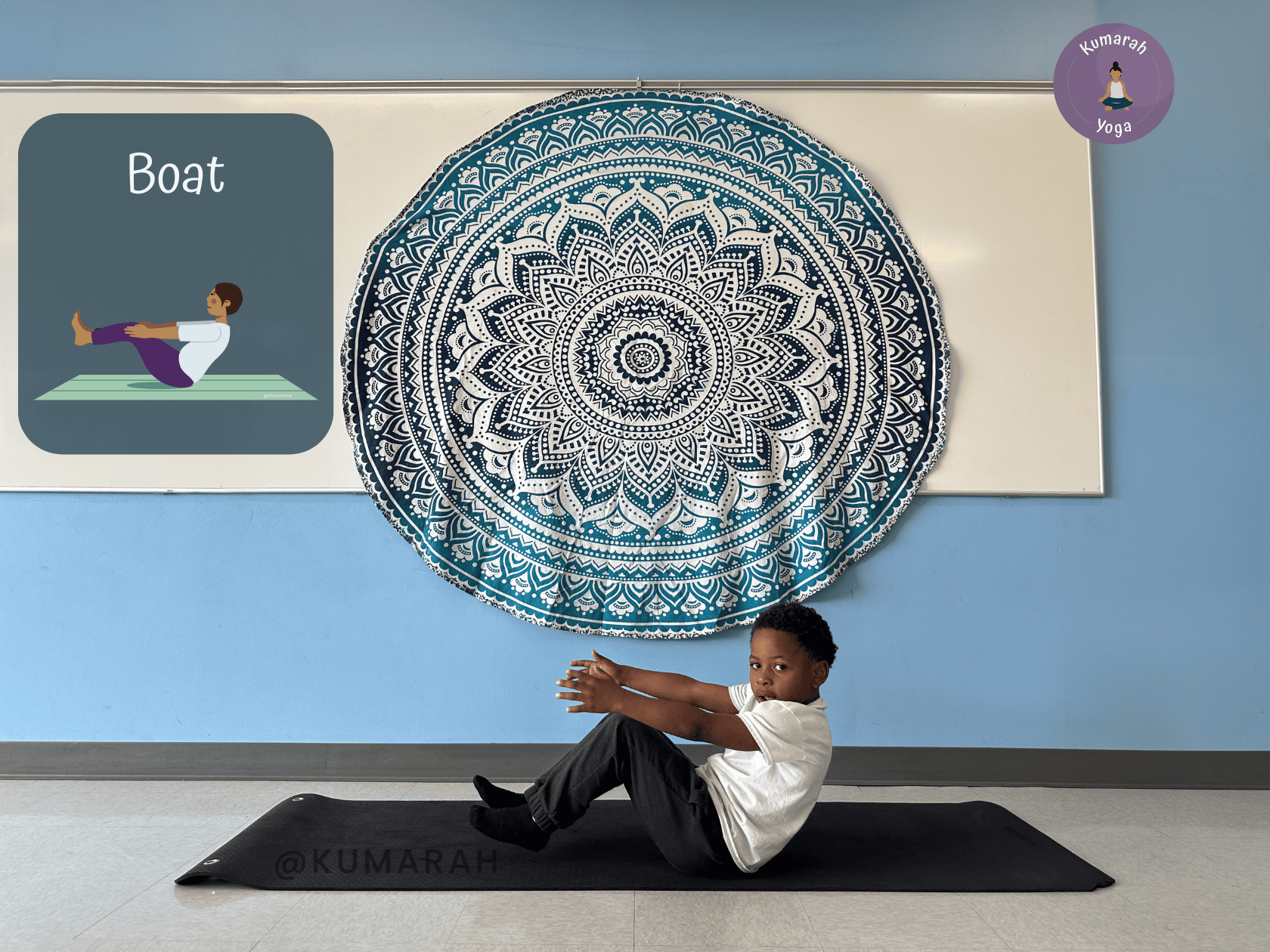
Boat Pose
Sit on the floor with your knees bent, then lift your feet and arms off the ground while balancing on your tailbone. Sing “Row, Row, Row your Boat” and pretend to paddle!
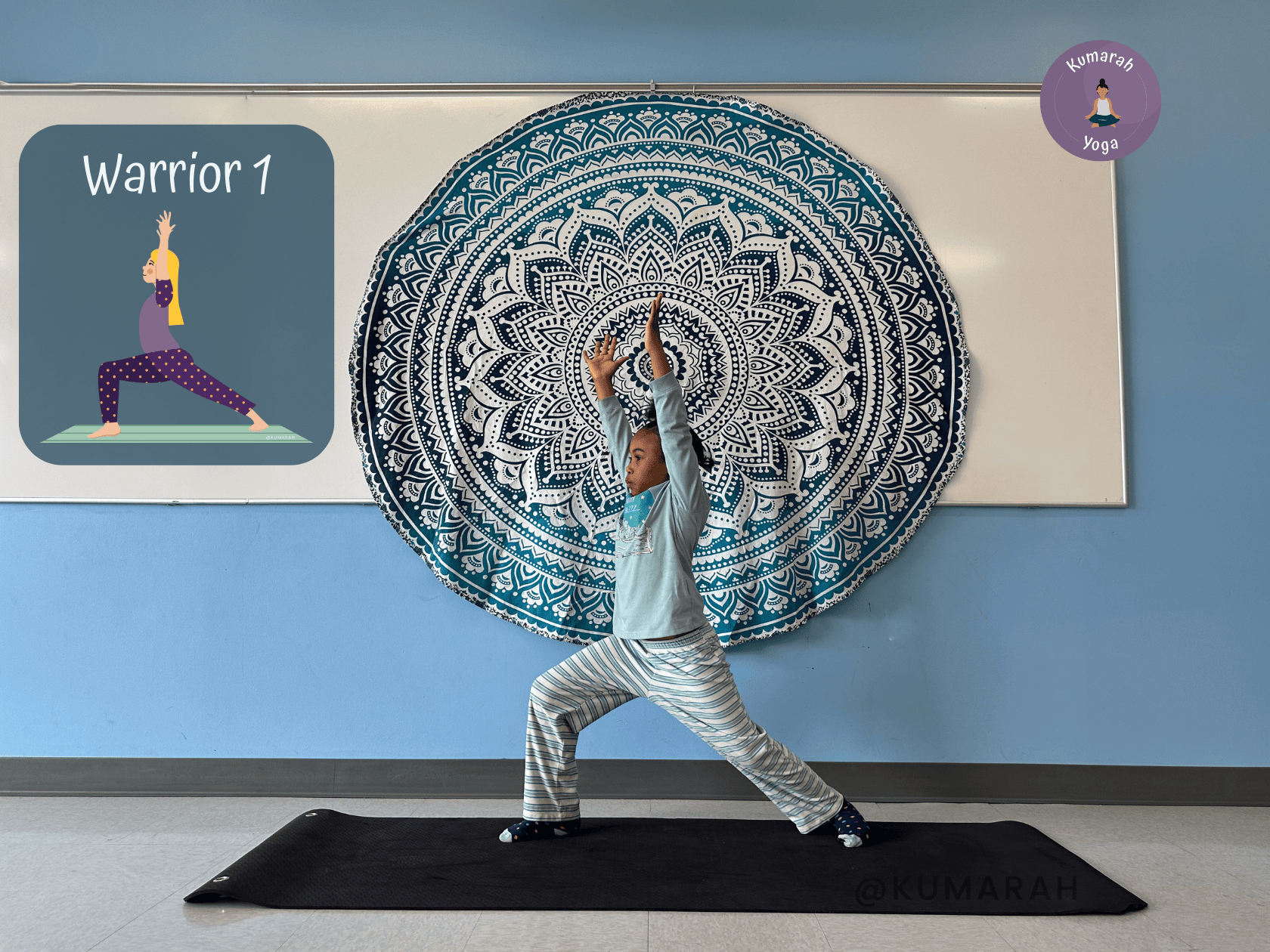
Warrior Pose
Stand with your feet wide apart, bend one knee, and extend the other leg behind you like a lunge. Raise your arms above your head and show your strong muscles before switching sides.
Tree Pose
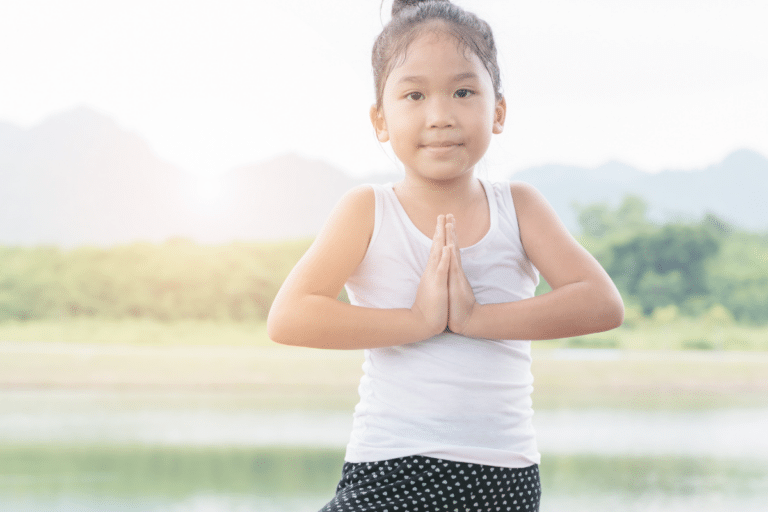
Stand tall with your feet together, then lift one foot and place it on the opposite thigh. Sway like a tree in the wind and find your balance.

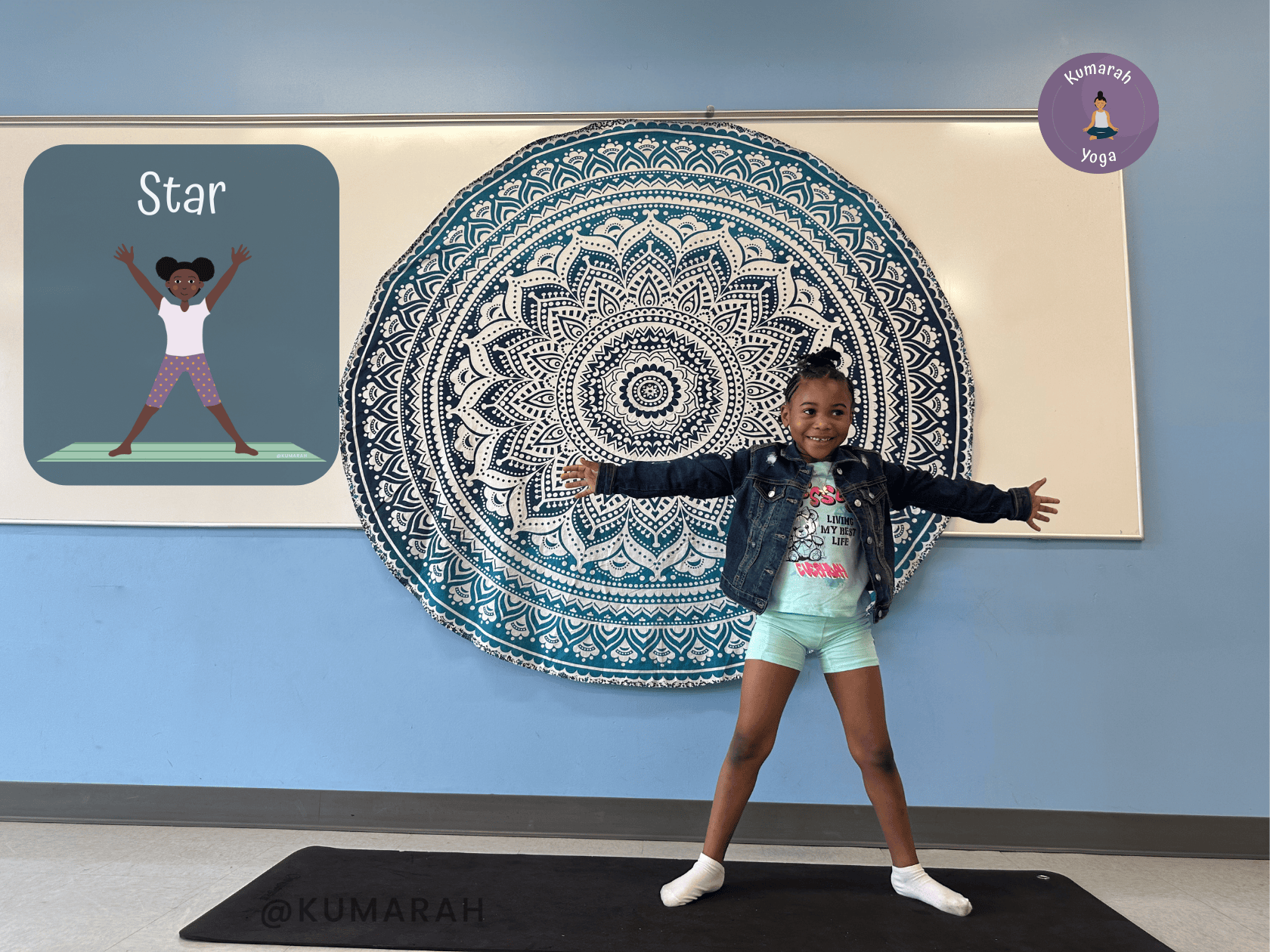
Star Pose
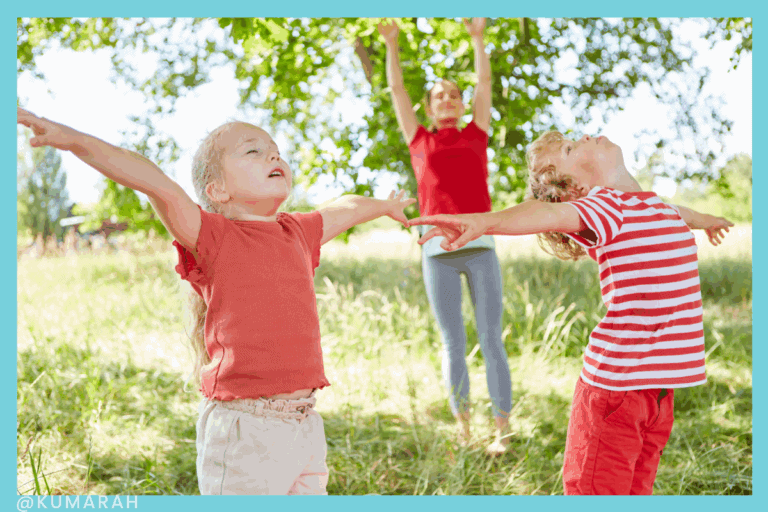
Stand with your feet wide apart and reach your arms out to the side. Take deep breaths in and out while imagining you are a star shining in the sky. Option to rock side to side from one foot to the other like a shooting star.
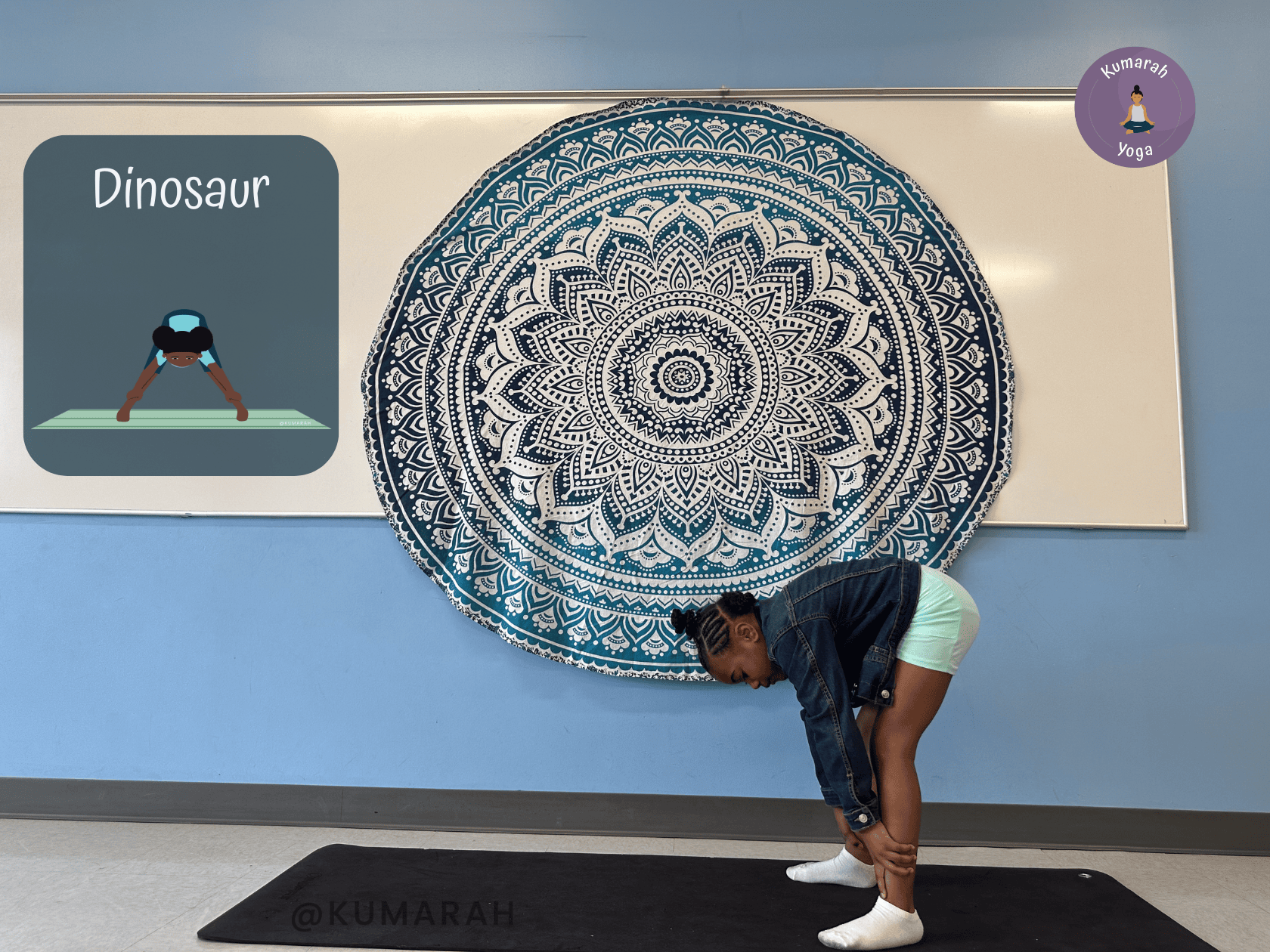
Dinosaur Pose
Stand with your feet wide apart and fold forward, bringing your hands to the ground or to your ankles. Lift your feet one at a time and take big dinosaur stomps.
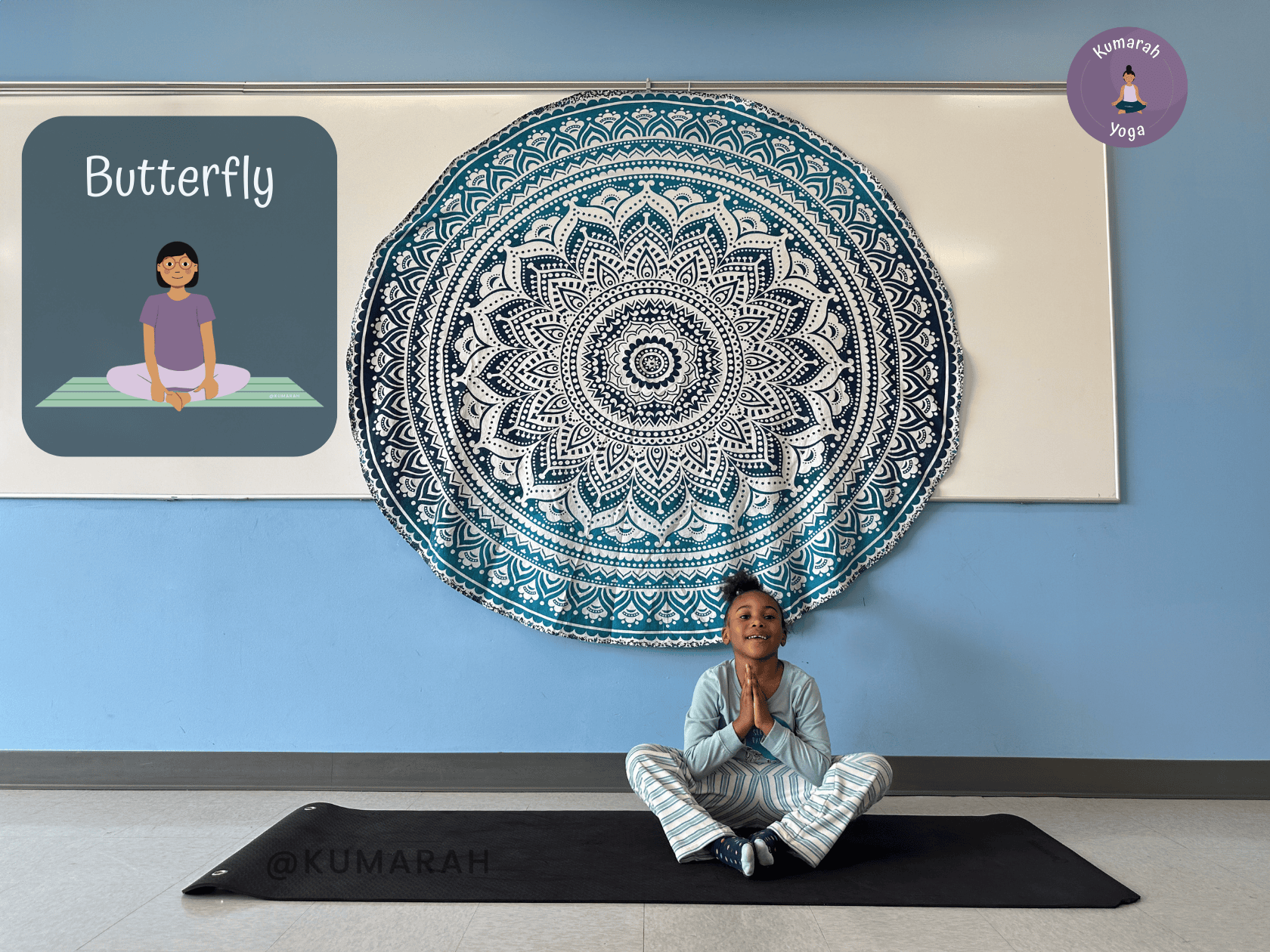
Butterfly Pose
Sit on the floor with your knees bent and feet together. Flap your legs like butterfly wings while keeping your back straight. Float your arms up and down like wings!
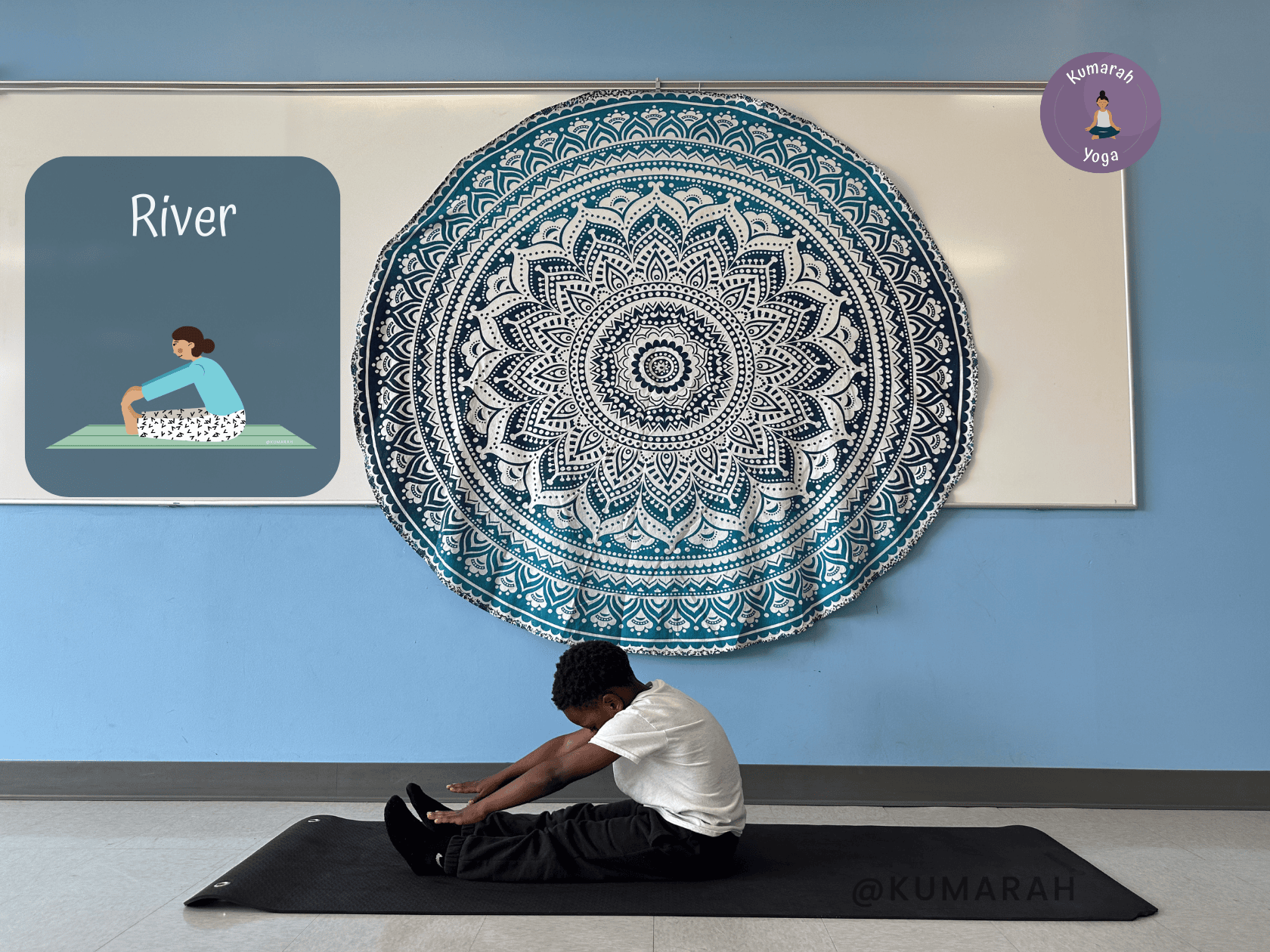
River Pose
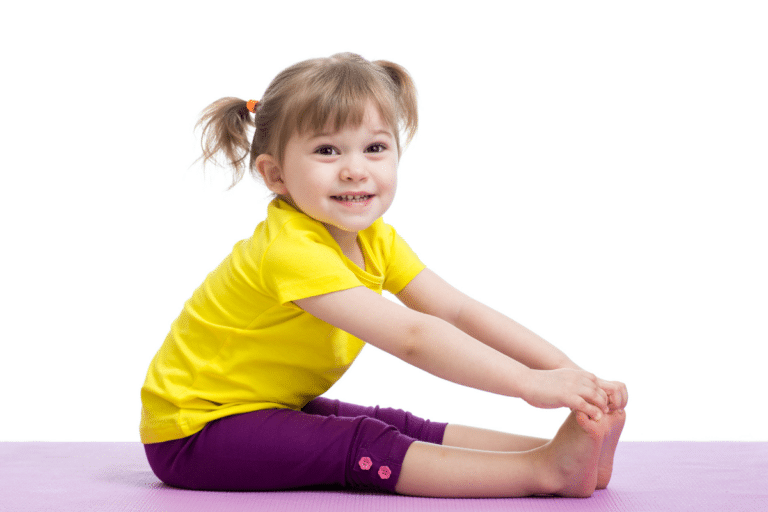
Get ready for relaxation by sitting on your bottom with your legs together and out straight in front of you. Rub your hands up and down on your legs slowly to gently stretch the back of your legs and soothe your mind.
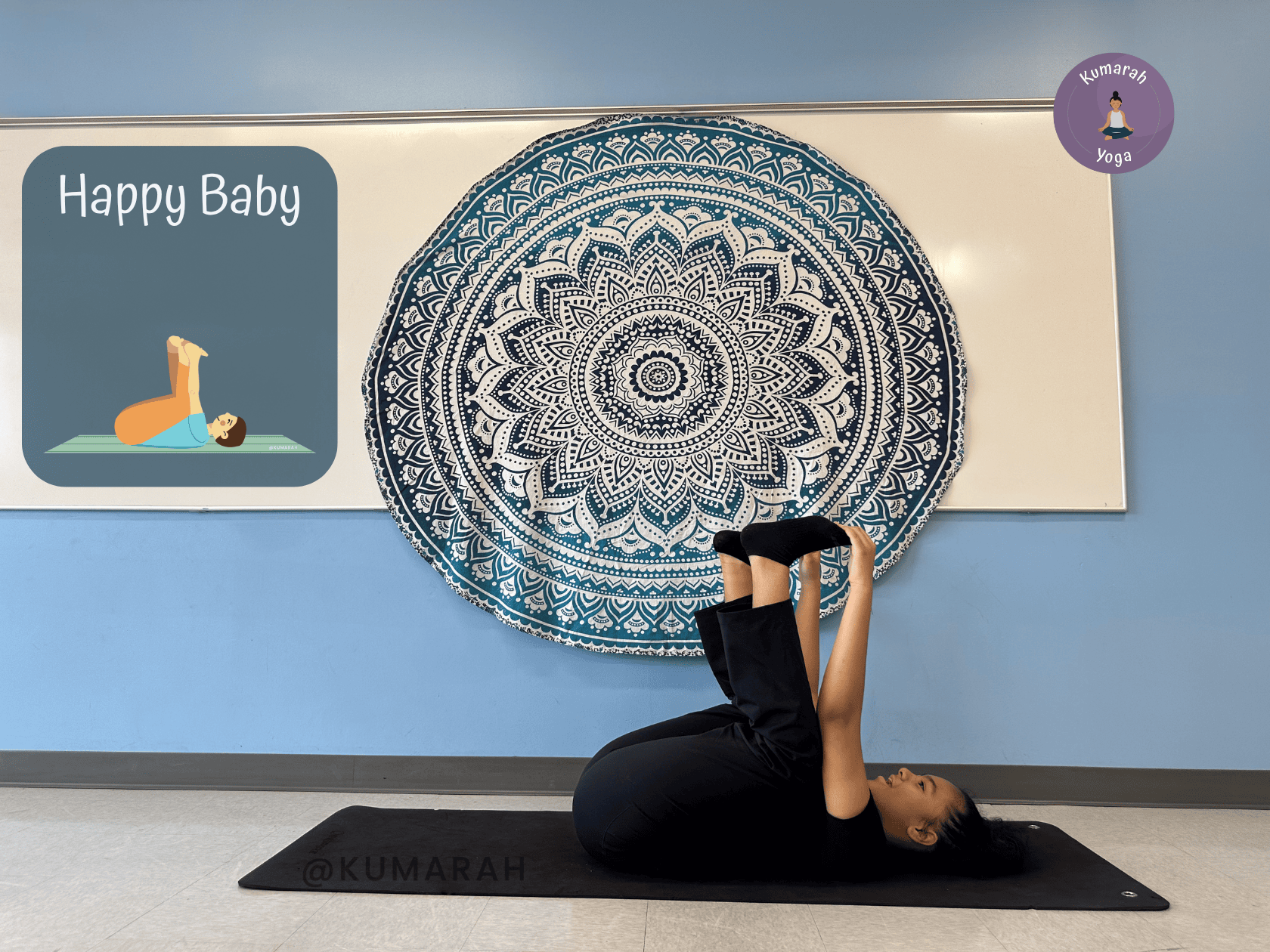
Happy Baby Pose
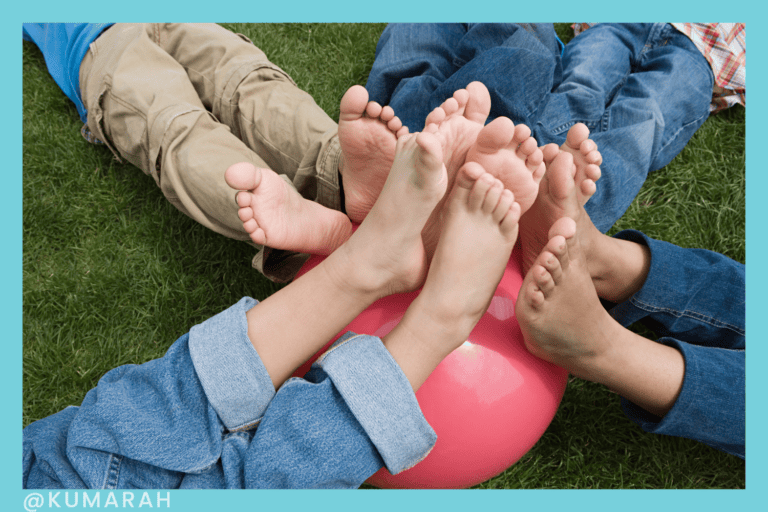
Lie on your back, grab onto your feet, and gently rock side to side. This is also called “pig pose” and you can oink and pretend to roll in the mud.
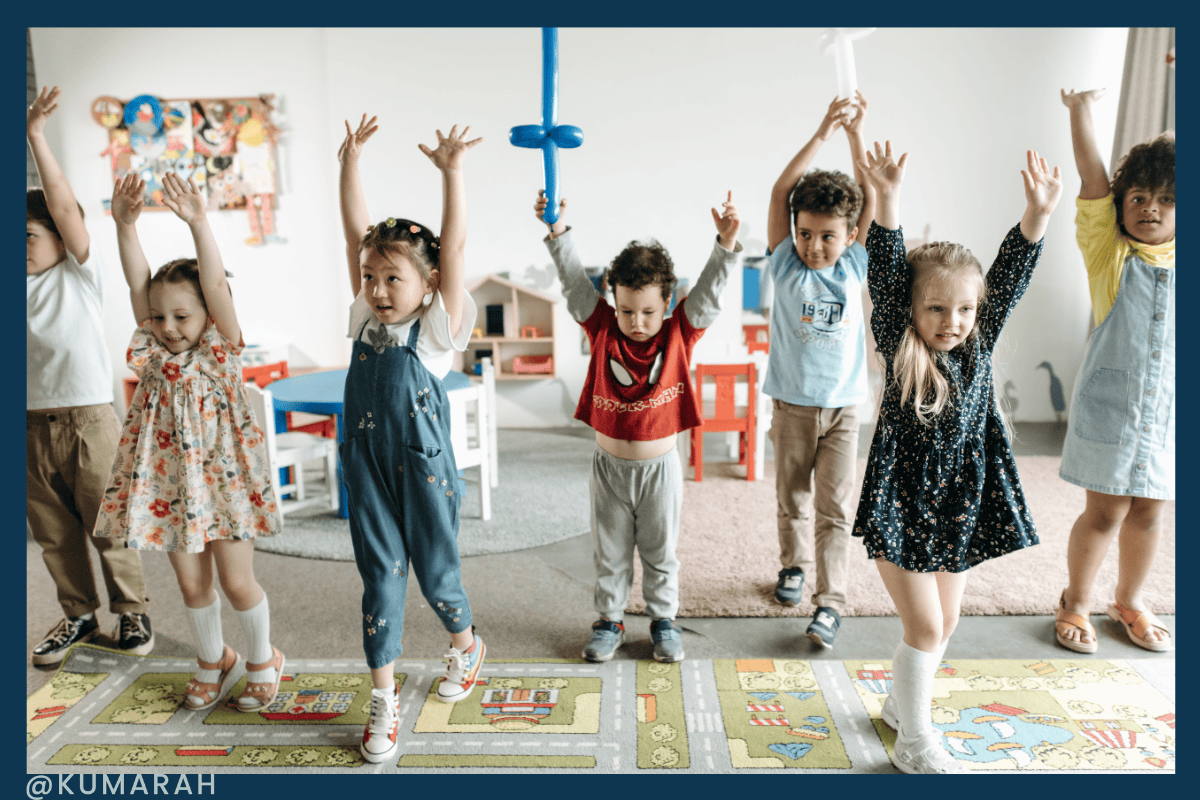
Popular Themes for Preschool Yoga
Themed yoga for preschoolers is a fun and interactive way to introduce young children to the practice of yoga. Kids yoga is all about play and movement!
By incorporating familiar and exciting themes, such as animals or nature, kids are more likely to engage and stay interested throughout the activity.
Jungle Safari Adventure
With animal-inspired yoga poses like the lion’s breath, elephant, and cobra, children can act out the behaviors and movements of their favorite jungle creatures. Share your favorite animals and create a new yoga pose! Use this lesson plan as inspiration or to learn more about the strong trees in the rainforest.
Outer Space Exploration
Imagine soaring like a rocket ship with the crescent moon pose or landing on a distant planet with the star pose. Outer space-themed yoga not only provides a physical workout but also a window into the wonders of the universe, igniting a child’s curiosity about science and exploration.
Under the Sea Journey
The undersea world offers the tranquility of ocean waves and the adventures of sea creatures. By adopting poses that mirror marine life, preschool kids can learn about the environment, ocean animals, and beaches. Use this guide for some fun ocean themed yoga poses.
On the Farm Adventure
With poses like the cow, cat, and rooster, this theme brings the farmyard to life with all its sights and sounds. Go on a pretend adventure to the farm with your kids watch their imagination, balance, and mindfulness improve!
Our Favorite Preschool Yoga Books
Here are some wonderful books to read to your preschool class or child at home where you can add in yoga poses. They have rhymes and simple phrases, with fun animal poses. Enjoy!


Teaching Tips
Teaching kids yoga is all about creativity, flexibility, and fun! Here are some top tips to make your yoga class a hit:
- Use playful, engaging language and bring in props—like stuffed animals or colorful scarves—to make yoga poses come alive.
- Incorporate yoga games such as “Simon Says” or “Red Light, Green Light” to help kids practice self regulation and body awareness while having a blast.
- Demonstrate poses inspired by different animals to connect children with the natural world and spark their curiosity about animals and conservation.
- Encourage kids to use their imagination, whether they’re roaring like a lion or balancing like a flamingo.
- Highlight the benefits of yoga, such as improved balance, flexibility, and mindfulness, to help kids develop a positive relationship with their bodies.
Remember, every class is an opportunity to nurture well-being, creativity, and confidence in your students. With patience and enthusiasm, you’ll guide children through a yoga journey that’s as rewarding for you as it is for them!
Conclusion
Kids yoga blends imagination with mindfulness, enhancing preschoolers’ overall learning. It boosts physical health, emotional well-being, and cognitive growth.
For educators and parents seeking fun ways to nurture children’s development, themed yoga for your preschool kids is a fantastic choice. It’s an easy, engaging way to promote well-being early on.